Building Enclosure logo
search
cart
facebook twitter linkedin youtube instagram Spotify Podcasts Apple Podcasts Spotify Podcasts Apple Podcasts
  • Sign In
  • Create Account
  • Sign Out
  • My Account
Building Enclosure logo
  • NEWS
    • Breaking News
  • SECTIONS
    • Columns
    • Project Profiles
    • Trade Shows
    • Sponsor Insights
  • SYSTEM DESIGNS
    • Low-Slope Roofs
    • Pitched Roofs
    • Metal Roofing Materials
    • Waterproofing
    • Sustainability
    • Insulation
    • Exterior Claddings
    • Wall Systems
    • Building Envelope
  • BLOG
    • The BE Blog
  • MEDIA
    • Podcasts
    • Webinars
    • Quiz
    • Videos
    • Polls
    • Interactive Spotlights
    • Newsletter
    • Photo Galleries
  • DIRECTORIES
    • Directory: Blue Book
    • Directory: Roofing Resource
  • PRODUCTS
  • TECHNICAL
    • Codes
      • Waterproofing
      • Roofing
    • Details
      • Waterproofing
      • Roofing
  • CONTINUING ED
  • ABOUT
    • Advertise
      • Editorial Calendar
    • Contact
    • eMag Archive Issues
  • SIGN UP!
Building EnvelopeSustainability

International Women’s Day in Design

Female Structural Engineer on Building Envelope Design, Licensure, and Women in AEC

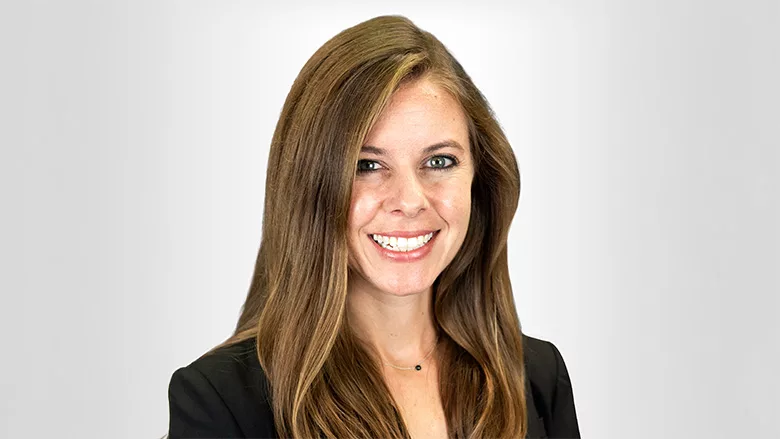
Alexis Brackney, AIA, SE
By Lindsay Lewis
Alexis Brackney, Walter P Moore
March 2, 2026
Celebrating Women in Architecture, Engineering, and Construction fields

Alexis Brackney

Senior Associate, Senior Project Manager in the Diagnostics Group

Walter P Moore

16 years in the industry

What initially inspired you to pursue a career in engineering, and who or what influenced you most along the way? 

I took a non-traditional path to becoming a structural engineer by pursuing a master’s degree in architecture at the University of Illinois at Urbana-Champaign, with a concentration in structures. While I found the architecture coursework creative and thought-provoking, I was especially drawn to the logical, problem-solving nature of engineering. Along the way, I was fortunate to learn from several excellent professors who not only taught the technical aspects of engineering in an engaging manner but also conveyed a genuine passion for the discipline. Their enthusiasm ultimately inspired me to continue pursuing a career in structural engineering.

Can you share a project you’re especially proud of and explain what made it meaningful—either professionally or personally? 

The projects I am most proud of are those where we had exceptional collaboration, both within our team and with clients and the broader project team. I have learned that everyone brings different strengths and perspectives, and by working together and supporting each other in key roles, we can achieve stronger solutions and better outcomes than trying to do it ourselves.

How do you see diversity and inclusion influencing better design outcomes in architecture today? 

When design teams include diverse voices—across backgrounds, disciplines, and perspectives, we are more likely to identify blind spots, challenge assumptions, and arrive at more creative and functional solutions. Inclusive collaboration strengthens the design process by encouraging broader thinking and more informed decision-making.

Have you had mentors or advocates who played a key role in your career growth, and how important is mentorship for women entering the field now? 

Yes, I was fortunate to have a few very influential mentors early in my career. They encouraged me to get involved in different organizations, pursue licensure as both an architect and structural engineer, and explore a range of project types to broaden my expertise. Mentorship is especially important for women entering the field, as it helps foster a supportive and encouraging professional environment.

How do you balance creativity with the technical, regulatory, and business demands of architecture? 

In my field, creativity often comes from problem-solving and navigating the challenges of existing buildings. For example, we investigate failures of building envelope components and trace water intrusion through multiple levels and systems to identify the source. Repair solutions must balance regulatory requirements and building code compliance with client needs for durability and longevity, as well as budget constraints. There is also judgment involved in determining how much to open up during an investigation; with existing buildings, uncovering unexpected conditions is often part of the process.

What changes have you seen for women in engineering over the course of your career, and where do you think progress is still needed? 

I have seen increasing numbers of women in leadership roles, and growth of women-focused organizations for the AEC industry. Organizations such as the Professional Women in Construction foster a welcoming, inclusive atmosphere for women to network, offer support, and learn from one another.

In my experience, progress is still needed in providing meaningful support for women at various stages of their careers, particularly as we balance professional responsibilities with family life and caregiving needs. While many firms express a commitment to flexibility and work-life balance, the realities of project deadlines, field demands, and traditional expectations around availability often make it challenging to sustain long-term career growth during these periods. Greater normalization of flexible schedules, parental leave, phased returns, and non-linear career paths would help retain talented engineers and allow women to remain engaged and advance without feeling forced to choose between career progression and personal responsibilities.

How do you see the conversation on sustainability going in our industry? 

I see the sustainability conversation in our industry as both widely shared and evolving. Most architects and engineers genuinely want to create more sustainable buildings and recognize the urgent need to reduce our impact on climate change. Our profession has the ability to make a direct and meaningful impact through design decisions, material selection, and long-term performance strategies. At the same time, achieving those outcomes requires alignment with client priorities and project goals. Sustainable solutions are most effective when they are supported by the client and integrated into the broader vision for the project.

What has been the most fulfilling moment of your career so far, and how did it shape your professional journey? 

Obtaining my structural engineering and architecture licenses has been the most fulfilling milestone of my career so far. Earning licensure in both disciplines broadened my professional path and deepened my understanding of how closely intertwined engineering and architecture truly are. It has also allowed me to bridge the gap between engineers and architects by relating to the priorities, language, and constraints of each, ultimately enabling stronger collaboration and better-coordinated projects.   

What advice would you give to young women or girls who are considering a career in architecture or the broader AEC industry? 

Get involved with organizations and events that connect you with other women in the industry. Those networks provide support, perspective, and invaluable mentorship. Do not be afraid to use your voice, ask questions, and advocate for yourself. Most importantly, believe in your abilities and your place in the profession; your perspective is needed, and it will make the industry stronger.

During International Women’s Month, what does recognition like this mean to you, and how can the industry continue to better support and elevate women’s voices year-round? 

I am deeply honored to be recognized. I feel fortunate to follow in the path of the many women who have paved the way before me; those who were fearless advocates, mentors, and role models, creating opportunities, and breaking down barriers for the next generation. Industry can continue to support and elevate women’s voices by fostering mentorship and sponsorship and creating a culture where diverse perspectives are actively sought, valued, and celebrated.


Building Enclosure Celebrates International Women's Day

Part 1 of a 2 part series

Main Article

Claudia Escala KYUNG SOOK GEMMA KIM Priya Elliot Elina Cardet Liz Peabody Alexis Brackney Andrea Bono Jesy Acosta Sharmistra Mitra Susan Fernandez Melissa Taylor Gabrielle Kupfer Michelle Startt Jocelyn Corrigan Lisa Lombardy Kelly Gantner Juliana Sorzano

KEYWORDS: architecture building envelope design licensing mentors resiliency structural engineering women in AEC

Share This Story

Looking for a reprint of this article?
From high-res PDFs to custom plaques, order your copy today!


Lindsaylewis

Lindsay Lewis is the Editor for Building Enclosure magazine. She has been with the publication since 2013 and is a graduate of Central Michigan University. She can be reached at lewisl@bnpmedia.com.

Recommended Content

JOIN TODAY
to unlock your recommendations.

Already have an account? Sign In

  • bar graph shows LEED v4/LEED v5/LEED v6 in various colors

    When Will LEED v4 / v4.1 and LEED v5 Expire?

    The latest version of the LEED rating system, LEED v5, is...
    Sustainability
    By: Daniel Overbey
  • Celebrating Women In AEC-2026

    Celebrating Women in The AEC Industry Part 1

    A round-up of women in the design, engineering and...
    Building Envelope
    By: Lindsay Lewis
  • KEE membrane application on a roof

    A Beginner’s Guide to Single-Ply Roofing Membranes

    While PVC and TPO appear extremely similar, the chemistry...
    Low-Slope Roofs
    By: Peter Gross
Manage My Account
  • Sign up for the Newsletter
  • Online Registration
  • Manage My Preferences
  • Registration Customer Service

More Videos

Sponsored Content

Sponsored Content is a special paid section where industry companies provide high quality, objective, non-commercial content around topics of interest to the Building Enclosure audience. All Sponsored Content is supplied by the advertising company and any opinions expressed in this article are those of the author and not necessarily reflect the views of Building Enclosure or its parent company, BNP Media. Interested in participating in our Sponsored Content section? Contact your local rep!

close
  • 2 construction workers and a DEXcell panel
    Sponsored byDEXcell Roof Boards

    Designing Low-Slope Roofs for Resilience

  • Bell Bank headquarters in Fargo, North Dakota
    Sponsored bySto Corp.

    Drained and Back-Ventilated Rainscreens vs Pressurized-Equalized Rainscreens

  • A construction worker using DEXcell roof boards
    Sponsored byDEXcell Roof Boards

    The Hidden Strength of Low-Slope Roof Systems: Why Roof Cover Boards Matter

Popular Stories

construction industry workers in hard hats stand around a city scape

Construction Industry Revolts Over New CSI Licensing Plan

Canalino Elementary School and Canalino Family School exterior

Daylighting Design to Support Rapidly Growing Trend in Modular Building Construction

construction workers on a roof, plane flies in background

Why Specifications Are Becoming the Next Critical Layer of Construction Compliance

Building Enclosure Newsletter

BE Poll

Events

June 17, 2025

Addressing Condensation in Low-Slope Roof Assemblies

Credits: 1 AIA LU/HSW; 0.1 ICC CEU; 1 IIBEC CEH; 0.1 IACET CEU

On Demand In modern roofing systems, vapor retarders and air barriers do more than just minimize air leakage—they’re essential to maximizing performance and longevity. This engaging course dives into the next generation of moisture control: permeable vapor retarders and air barriers. Discover how these cutting-edge technologies are transforming low-slope roofing assemblies by improving energy efficiency, managing moisture, and boosting wind uplift resistance.

April 9, 2026

Strategies for High-Performance Below-Grade Waterproofing

Credits: 1 AIA LU/HSW ; 1 IIBEC CEH; 0.1 IACET CEU

On-Demand Designing a high-performance building enclosure requires more than just surface-level protection; it demands a rigorous, performance-based mastery of below-grade water and gas mitigation. This discussion will provide an expert-level analysis of below-grade waterproofing within the comprehensive framework of the high-performance building enclosure.

View All Submit An Event

Products

Plaster and Drywall Assemblies Manual

Plaster and Drywall Assemblies Manual

This is a comprehensive manual that goes beyond codes and standards, providing expert guidance in design, detailing, material selection and troubleshooting for plaster and drywall.

See More Products

Related Articles

  • Casey Williams, Simpson Gumpertz & Heger

    Female Engineer on Historic Restoration, Mentorship, and Sustainable Design in AEC

    See More
  • Kathleen Shively

    Kathleen Shively Talks Role Models and Inspiring the Next Generation of Women in AEC

    See More
  • Celebrating Women In AEC

    Celebrating Women in The AEC Industry Part 2

    See More

Related Products

See More Products
  • energy modeling.jpg

    Energy Modeling and Computations in the Building Envelope

  • 0470872616.jpg

    Sustainable Renovation: Strategies for Commercial Building Systems and Envelope

  • interior design.jpg

    Building Systems in Interior Design

See More Products
×

Enhance your expertise with unparalleled insights.

Join thousands of building professionals today. Shouldn’t you know what they know?

SUBSCRIBE TODAY!
  • RESOURCES
    • Advertise
    • Contact Us
    • Store
    • Want More
  • SIGN UP TODAY
    • Create Account
    • Newsletter
    • Customer Service
    • Manage Preferences
  • SERVICES
    • Marketing Services
    • Reprints
    • Market Research
    • List Rental
    • Survey/Respondent Access
  • STAY CONNECTED
    • LinkedIn
    • Facebook
    • Instagram
    • YouTube
    • X
  • PRIVACY
    • PRIVACY POLICY
    • TERMS & CONDITIONS
    • DO NOT SELL MY PERSONAL INFORMATION
    • PRIVACY REQUEST
    • ACCESSIBILITY

Copyright ©2026. All Rights Reserved BNP Media, Inc. and BNP Media II, LLC.

Design, CMS, Hosting & Web Development :: ePublishing