International Women’s Day in Design
Casino Resort Design and Cultural Collaboration with Female Architects
Sharmista Mitra NCIDQ, CID
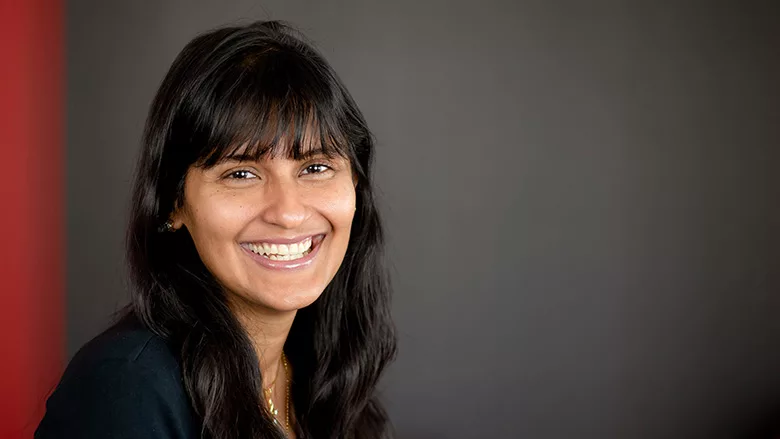

Sharmista Mitra
JCJ Architecture
What initially inspired you to pursue a career in architecture, and who or what influenced you most along the way?
My father is who inspired me to pursue a career in architecture. He was a pioneer in Asia, starting one of the first vocational schools, and I had a front-row seat watching him build something meaningful. He didn’t treat architecture as just a profession; he took it to heart. He mentored me from a young age and encouraged me to explore, to be open-minded, and to be good at what I do. It’s his passion and persistence that truly inspired me, and his constant support is what led me to where I am today.
Can you share a project you’re especially proud of and explain what made it meaningful—either professionally or personally?
Every project I’ve worked on has inspired me and helped me grow in some way. But if I had to choose one that’s been especially touching, it would be our most recent work on the Jamul Casino Resort. From the very first interview, there was such a genuine connection with the tribal members—one built on trust, respect, and shared purpose. That spirit carried through the entire process, from design to groundbreaking.
The collaboration across the tribal board members, their management team, and our designers was extraordinary. There was such a rich history and so many personal stories shared behind the project that made it deeply meaningful. Like any project, there were challenges, but each one was met with openness and teamwork. Seeing everyone’s pride in the finished result has truly been one of the happiest moments of my career.
How do you see diversity and inclusion influencing better design outcomes in architecture today?
Diversity, equity, and inclusion are incredibly important, whether it’s cultural background, community perspective, or generational experience. Each of us brings something unique to the table, and we’re constantly learning from one another. I still learn from my teams, who often bring fresh ideas and different cultural perspectives at all levels.
At JCJ, our team includes people from around the world and across different ages and experiences. These differences shape how we communicate, collaborate, and solve problems together. A diverse team not only strengthens the project but also signals to clients that we can understand and approach their needs from multiple perspectives, rather than a single, one-size-fits-all approach.
Have you had mentors or advocates who played a key role in your career growth, and how important is mentorship for women entering the field now?
I’ve been fortunate to have so many mentors throughout my life. It started with my parents—my father, who was a strong guiding presence, and my mother, who offered a softer, supportive perspective. In college, several professors helped guide me as I navigated both architecture and a new culture after moving to the U.S from India.
Before joining JCJ, I worked at a smaller firm where the principal took me under her wing, giving me early opportunities to manage projects from start to finish, including project performances. At JCJ, I’ve had the privilege of learning from incredible mentors like Richard Blackman, Lori Hagen Hulitt, Stephanie Lee, Joseph Baruffaldi, and Robert (Bob) Gdowski. But mentorship isn’t just top-down; my peers are mentors too. Each person brings a different perspective, and I learn from them constantly.
Mentorship is essential, especially for women in architecture—it builds confidence, knowledge, and a sense of possibility in a field that can sometimes feel challenging to navigate.
How do you balance creativity with the technical, regulatory, and business demands of architecture?
Creativity comes naturally to me, and it’s the part of the process that brings me the most joy. But architecture is a balance, and that’s where collaboration is key. I’m fortunate to have an incredible team at JCJ. We share the workload, lean on each other’s strengths, and find ways to keep creativity alive while meeting all the business and technical goals that make a project successful.
What changes have you seen for women in architecture over the course of your career, and where do you think progress is still needed?
I’ve seen so many positive changes. There are far more women in architecture now, and a lot of them are pursuing licensure, which is wonderful to see. Women are also taking on multifaceted roles, combining architecture with project management, interior design, marketing, or business development. They’re not limiting themselves to one area; instead, they’re exploring, growing, and applying their talents in new ways.
I think it’s crucial to continue giving women these opportunities to explore and develop their skills. Personally, having the chance to work across interiors, architecture, and now business development has made me more confident and independent. Women thrive when we have space to grow and diversify, and the industry benefits when we encourage that exploration.
How do you see the conversation on sustainability going in our industry?
It’s definitely gaining momentum. Sustainability is being integrated more naturally into community, education, and hospitality projects, but there’s still work to do—especially in sectors like gaming, where it hasn’t quite caught up. The more we frame sustainability as part of a client’s long-term story and values, the more it becomes a natural part of good design rather than an add-on.
What has been the most fulfilling moment of your career so far, and how did it shape your professional journey?
My time at JCJ has been the most fulfilling part of my journey. When I joined almost twenty-one years ago, I saw it as a place to learn and grow, but it’s become so much more than that. JCJ has become home. The people here are like family, and the projects we create together inspire me every day. I’ve grown up here as a professional, and that sense of belonging keeps me excited about what’s ahead.
What advice would you give to young women or girls who are considering a career in architecture or the broader AEC industry?
I think more women should join the AEC industry because we bring a unique combination of perspectives, both logical and emotional. We are strong, and we are soft, and that duality enriches architecture, from building envelopes to interior spaces, and even the culture of the workplace itself.
Women also help others grow. In my experience as a studio leader, I’ve often acted as a mentor or what I jokingly call the “office mom,” guiding colleagues and helping them develop their careers. Our presence helps make architecture less rigid and more human-centered, bringing a balance that benefits both design and the people who create it.
During International Women’s Month, what does recognition like this mean to you, and how can the industry continue to better support and elevate women’s voices year-round?
Being recognized is truly an honor, and it is a reflection that the work I’ve done matters and has made an impact. I approach every project with the intention of creating thoughtful, collaborative design, and this recognition feels like a validation of that approach.
Being part of the broader community of women in architecture also helps break invisible barriers. There shouldn’t be lines or limits across countries or cultures, because we’re all human. Recognition empowers women by showing that their contributions are valued, that they’re doing meaningful work, and that they deserve to be celebrated. The more we lift each other up, the more opportunity we create for women to lead and thrive.

















Looking for a reprint of this article?
From high-res PDFs to custom plaques, order your copy today!

.webp?height=740&t=1767036885&width=auto "Header - BE 1170x658 (002).png")

.webp?height=740&t=1755781744&width=auto "KEE(2).png")