International Women’s Day in Design
Designing with Purpose: From Determined Student to Trailblazing Voice in the Built Environment
Melissa Taylor, PE, LC, LEED AP BD+C
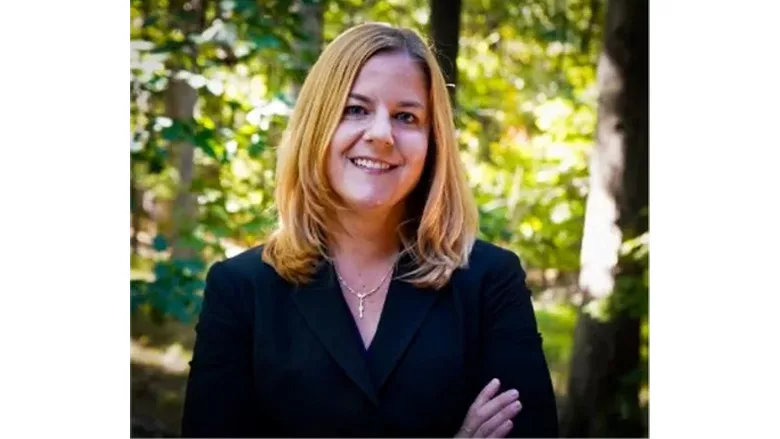

Melissa Taylor
Peak Systems Engineering
What initially inspired you to pursue a career in architecture, and who or what influenced you most along the way?
I knew in college that I was interested in construction and/or design, but I really didn’t decide on engineering until my senior year internship. I enjoyed learning about the design process and observing the construction phase of projects. I looked at civil engineering and design school and ultimately landed a job as a drafter/electrical designer. I quickly decided after college that I would pursue a second bachelor’s degree; this time in electrical engineering. My early mentors and leaders both challenged me and encouraged me to grow in my career. I continued to work full-time while attending school. Certainly, being one of a few female engineers at my company, and the only female in my engineering classes, not only motivated me but also made success in the field all the more exciting.
While the deadline-driven industry can be stressful at times, I couldn’t see myself doing anything else for a career. I have always enjoyed working with architects and interior designers on various projects, where I could help select light fixtures and ensure lighting and power designs meet the client's needs. I enjoy coordinating and collaborating with all trades on different aspects of the buildings and spaces. I am passionate about delivering quality documents in the most efficient way. And lastly, I enjoy seeing projects completed and the results of the hard work and collaboration.
Can you share a project you’re especially proud of and explain what made it meaningful, either professionally or personally?
I worked in New Orleans, LA, for 6 years post-Hurricane Katrina. I was exposed to many new types of projects during my time there, including retrofits and improvements to facilities that sustained damage from Katrina. One special project was the design of lighting upgrades for Louis Armstrong Park, which had suffered significant water damage from the storm. Another impactful project I completed in New Orleans was the full renovation of William Frantz Elementary School, where Ruby Bridges was the first Black student to attend a previously all-white school.
How do you see diversity and inclusion influencing better design outcomes in architecture today?
The more diversity that exists within a firm, the more creative minds and innovative ideas can develop. This also helps ensure that spaces are usable and accessible for everyone.
What advice would you give to young women or girls who are considering a career in architecture or the broader AEC industry?
I would encourage all women and young girls to be most assertive with their ideas. We must believe that our ideas are worth sharing, no matter how big or small the impact. The more we speak in the room, the more confident we become, and the more we devote to lifelong learning, the greater the positive impact we can have on the industry.

















Looking for a reprint of this article?
From high-res PDFs to custom plaques, order your copy today!

.webp?height=740&t=1767036885&width=auto "Header - BE 1170x658 (002).png")
.webp?height=740&t=1755781744&width=auto "KEE(2).png")