International Women’s Day in Design
Female Architect Talks About Construction Experience, Sustainable Design, and Cross-Cultural Practice
Juliana Sorzano, LEED GA
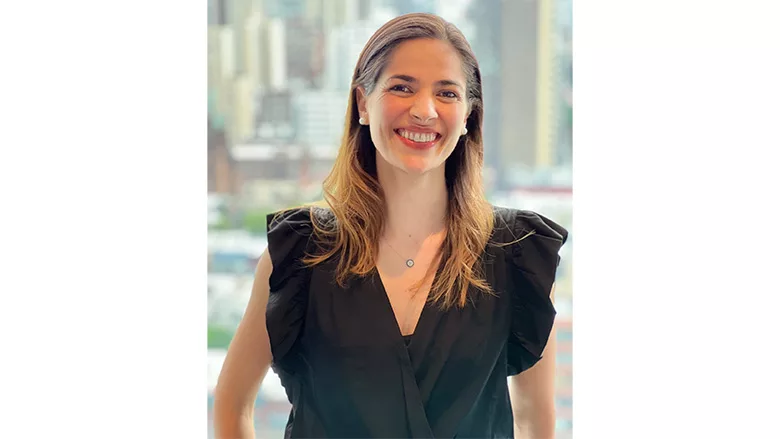

Juliana Sorzano
PJCArchitecture
What initially inspired you to pursue a career in architecture, and who or what influenced you most along the way?
Since I was a child, I’ve always enjoyed drawing and expressing myself creatively. I was naturally drawn to artistic careers, and when the time came to choose a path, architecture stood out as a way to channel my creativity on many levels. Although my mom is also an architect, she never pushed me toward this profession. Instead, she helped me to explore and uncover my own creative voice. She worked primarily in construction, so I didn’t have the chance to shadow her during the design process, but her influence and example made a strong impact on me.
Can you share a project you’re especially proud of and explain what made it meaningful—either professionally or personally?
After a year in my first role at an architectural design office, I decided to shift gears and gain hands-on experience in construction. I believed it was the best way to truly understand how things are built and in turn, become a more thoughtful and responsible designer. I worked as the construction superintendent for the ground-up construction of a single-family home, managing the entire project from demolition through completion. Those two years were the most challenging of my career. I was in charge of overseeing workers, coordinating concrete pours, and keeping up with demanding early-morning schedules, including Saturdays. But I was committed to seeing the project through to the very end, and it was worth it. The experience pushed me to grow both personally and professionally. It helped me develop a thick skin, build confidence, and stay grounded.
How do you see diversity and inclusion influencing better design outcomes in architecture today?
Architecture does not speak a single language. It is shaped by culture, place, history, and its occupants. By embracing different cultures, architects gain a deeper understanding of diverse perspectives and approaches to building, with new materials, techniques, and ways of thinking that expand how architecture responds to human needs.
By welcoming multiple voices into the design process, we gain a more flexible and better understanding of the world and create spaces that are more meaningful for those who use them. I am currently leading PJCArchitecture’s expansion to South Florida, a region with a rich Hispanic culture. I’m excited to draw on my own Latin American heritage and bring a cross-cultural perspective to our work here.
Have you had mentors or advocates who played a key role in your career growth, and how important is mentorship for women entering the field now?
I have been incredibly fortunate to work under my current boss’s wing. Phil Consalvo, the founder of PJCArchitecture, has been my mentor, advocate, coach, and, at times, therapist. His guidance has shaped not only how I understand architecture but also what a healthy, sustainable work-life balance truly looks like. Through his leadership, I’ve learned the value of setting boundaries, trusting the process, and growing with confidence. This kind of mentorship empowers women to stay in the profession, lead without fear, and envision fulfilling careers in architecture.
How do you balance creativity with the technical, regulatory, and business demands of architecture?
Our studio is more than just a workspace; it’s a laboratory for ideas. At the start of each project, the entire team comes together to review the program. We then explore concepts openly, bringing even the most unconventional ideas to the table. Every idea is welcomed and considered without judgment, allowing creativity to flow freely. After brainstorming, we collectively refine and ground concepts, ensuring the design meets code and technical requirements to transform each idea into a buildable solution. The studio table is an environment that values collaboration, curiosity, and experimentation, where thinking outside the box is not only accepted but encouraged.
What changes have you seen for women in architecture over the course of your career, and where do you think progress is still needed?
Throughout my career, I’ve been lucky enough to have always felt a strong sense of support from my employers at every job I’ve held. The support I received became especially meaningful at a pivotal moment in my life, when I became a mother. Coincidentally, this personal transition happened at the same time as the pandemic was reshaping the professional world, turning remote work into a requirement. Offices like our studio had to reinvent the way we collaborate and, thanks to this, I was able to feel present both professionally and personally. Because these two shifts happened at the same time, it’s sometimes hard to separate the impact of motherhood from the impact of the pandemic. The normalization of working from home opened doors, not just for me but for many women. This flexibility has allowed many women to continue contributing at a high level without stepping away during critical stages of their careers. In many ways, it was progress forced by the circumstances, but progress nonetheless. Progress that hopefully continues to shift and shape women’s professional lives.
How do you see the conversation on sustainability going in our industry?
I believe sustainability is increasingly at the forefront of our industry’s conversations, and that dialogue will continue to expand with a greater focus on meaningful, long-term solutions. As our industry becomes increasingly aware of climate change, building codes are incorporating sustainable practices as baseline requirements. At the same time, there’s a growing need for a broader education across all disciplines and parties involved, including clients, to ensure sustainable practices are effective and more impactful. Working in South Florida, a region particularly affected by climate change, we have to consider coastal conditions, hurricane resilience, and environmental performance in design, which has reinforced the idea that sustainability is not just a guiding principle but a necessity in every project we take on. Sustainability should no longer be treated as a nice-to-have, but as an essential requirement through which all architecture is conceived and executed.
What has been the most fulfilling moment of your career so far, and how did it shape your professional journey?
One of the most fulfilling moments of my career was making the leap to New York. Initially, I thought I would return to Colombia after completing my master’s degree, but PJCArchitecture opened its doors and gave me the opportunity to grow in ways I hadn’t imagined. I learned a new software, left the metric system behind, and learned how to speak “architecture” in my second language. In many ways, it felt like starting architecture school all over again, only this time I was working on real-life projects. Even though I had been in the field for a few years, navigating client meetings, collaborating with contractors, and coordinating with engineers and designers all felt new to me. This experience taught me adaptability and the confidence to take on challenges.
Ten years later, I’m now serving as Project Manager for our new Florida branch. In this role, I help to educate clients on green solutions, including material repurposing, floor-area efficiency, and lighting efficiency. I still work very closely with Phil to advance our firm’s greater commitment to passive design strategies. Every day still brings new lessons and growth, and I continue to draw on the resilience and curiosity I cultivated when I first arrived in New York.
What advice would you give to young women or girls who are considering a career in architecture or the broader AEC industry?
My advice to young women or girls considering a career in architecture is: architecture isn’t just about creating beautiful designs. It’s about diving into every part of the process. Get your hands dirty, climb the ladder, crouch to take that picture of the plumbing detail—do all of this to learn the “anatomy” of a building before even thinking about the beautiful finish you found online. Embracing the hands-on, sometimes messy realities of this profession will make you a wiser and more insightful designer. Seek mentors and colleagues who will challenge and support you. Speak up, ask all the questions, push for your ideas, but more importantly, listen to everyone else’s ideas.
During International Women’s Month, what does recognition like this mean to you, and how can the industry continue to better support and elevate women’s voices year-round?
I think recognition like this is a reminder that the contributions of women in architecture are seen and celebrated. It reinforces the importance of mentorship and the impact it has on a woman’s professional journey. To truly elevate women’s voices, the industry needs to continue promoting inclusive cultures and providing equal opportunities for leadership. Flexibility and support for work-life balance are essential to retain talent and encourage women to thrive.

















Looking for a reprint of this article?
From high-res PDFs to custom plaques, order your copy today!

.webp?height=740&t=1767036885&width=auto "Header - BE 1170x658 (002).png")

.webp?height=740&t=1755781744&width=auto "KEE(2).png")