International Women’s Day in Design
Female Interior Designer on Luxury Hospitality Design, Hotel Renovations, and Brand Innovation
Yesenia ‘Jesy’ Acosta, RID, NCIDQ
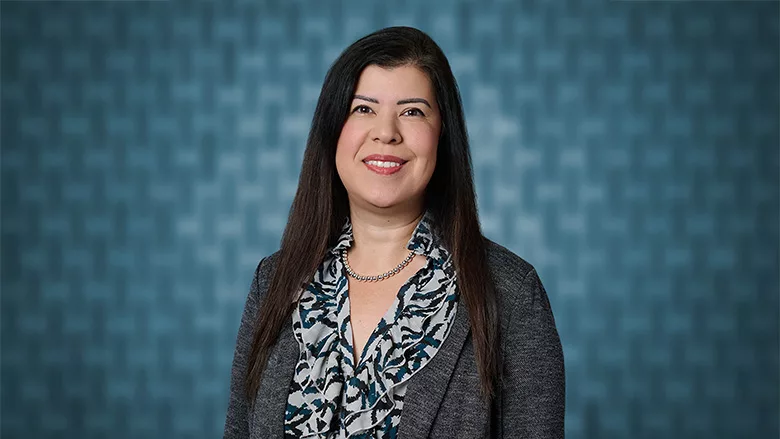

Yesenia Acosta
FK Architecture
Can you share a project you’re especially proud of and explain what made it meaningful, either professionally or personally?
As interior designers, we play a pivotal role in helping our clients—hotel owners, developers, and luxury hospitality brands—renovate existing properties and launch innovative new product lines. These efforts are essential for diversifying their portfolios and strategically adapting to shifting market demand in emerging sectors and geographic regions.
By introducing a new luxury product line—whether through renovations that reposition existing hotels, developing and testing new prototypes or entirely new developments—our clients can broaden their offerings to include varied experiences, such as ultra-luxury boutique properties, wellness-focused resorts, or branded residences blended with hotel services. These extensively researched and thoughtfully designed projects are meaningful to me because they represent an all-encompassing team effort. Not only do interiors direct the design path but our architecture team, landscape architects and talented designers take part in an immersive design experience that pulls our team together on behalf of our client to ensure forward-thinking design solutions.
How do you see diversity and inclusion influencing better design outcomes in architecture today?
Diversity and inclusion are so important in the design field. Not only does this offer opportunities to share a range of perspectives based on our varied backgrounds, abilities, cultural experiences, and ethnicities, but it also drives a sense of belonging during the design process. Inclusive practices foster higher employee engagement, stronger talent pipelines, and designs that resonate with wider audiences and users of the spaces we design. Embracing diverse perspectives helps cultivate spaces that truly serve everyone, from design professionals to the users of the physical spaces we build.
How do you balance creativity with the technical, regulatory, and business demands of architecture?
The foundation of any project requires a balance between creativity, technical knowledge, regulatory obligations, and business demands. I’m a problem solver by default, and true mastery of your craft comes when you embrace limitations as opportunities. Demands, constraints, challenges, and requirements are part of the process of any successful project. The mark of a skilled designer is having experience to draw from, breakthrough ideas, and a creative, business-minded approach that delivers solutions that benefit clients.
What advice would you give to young women or girls who are considering a career in architecture or the broader AEC industry?
If you have the drive to enter the field, you should absolutely pursue it. When you direct your efforts toward a career you are most interested in, more than likely you will follow it through. Along the way, many women have set the blueprint for excelling in all professions, sharing the challenges they have had to overcome. This highlights their perseverance and ability to push through all the hardships. Using those examples as forms of inspiration to get you where you need to be in life and in your career goes back to how you shape your mindset to reach your goals.

















Looking for a reprint of this article?
From high-res PDFs to custom plaques, order your copy today!

.webp?height=740&t=1767036885&width=auto "Header - BE 1170x658 (002).png")

.webp?height=740&t=1755781744&width=auto "KEE(2).png")