International Women’s Day in Design
Building Spaces That Heal—and Careers That Inspire
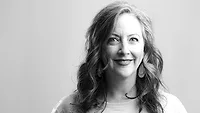
Denise Thompson


Denise Thompson
FCA
What initially inspired you to pursue a career in architecture, and who or what influenced you most along the way?
As a child I always loved drawing houses, neighborhoods and creating buildings with blocks, LEGO, and cans, though I didn’t know what an architect was. My mother was also very creative and handy, often doing renovations around our house. It wasn’t until high school that my drafting teacher put it all together and told me that I should look into studying architecture. That was where I learned what an architect was, and realized it was what I wanted to do. My mother was also a big influence in my desire to go to college, as she came from a family where women didn’t go to school, and urged me to pursue a career where she didn’t have that option. She was my biggest cheerleader throughout all of my schooling, internships, and testing until I became a registered architect.
Can you share a project you’re especially proud of and explain what made it meaningful—either professionally or personally?
A project I’m very proud of is the MD Anderson Cooper Cancer Center in Camden, NJ. It was the first ground-up building that I served as Project Manager for, and I consider this my first born. It’s an amazing experience to help provide a high-quality building that helps cancer patients heal during some of the most painful times in their lives. My mother (who I mentioned before was my biggest supporter) had just passed away from breast cancer only a year before this project began. I was personally devastated by the loss, and it was a deeply personal experience for me to work on this cancer center. I put everything I had into that project as a way of healing myself.
How do you see diversity and inclusion influencing better design outcomes in architecture today?
I truly believe the architecture we create needs to represent the people who will use our buildings. If only one type of person is an architect, we get very boring buildings that don’t serve society. I believe in the former AIA National mission statement, which noted that it supports architects in our “service to society.” How can one type of person adequately serve all of society? They can’t. They don’t have the lived experiences that others have, and will struggle to appropriately shape spaces meant to support people of different communities. I believe in the saying “it takes a village",and that is especially true in the field of architecture.
The most successful projects have diverse ideas, and a truly collaborative environment in order to create the most inclusive outcomes possible. I am proud of the work our Equity, Diversity, and Inclusion committee has done at our firm over the last five years to elevate the inclusivity of our design. We have wrestled with really difficult questions surrounding EDI, and have provided great opportunities for better awareness, training, and transparency. We’re working together to make our workplace the best possible environment for all employees, and our projects the most inclusive for each end-user.
Have you had mentors or advocates who played a key role in your career growth, and how important is mentorship for women entering the field now?
Over the years, I’ve had many people who have mentored and advocated for me, many of which I may not have realized at the time, and similarly they may not know how influential they have been to me. Only in the past few years have I sought out formal mentors. My fellow business partners have provided great guidance, helping me learn the business of architecture and how to help run our firm. Early in my career, formal mentorship wasn’t as common of a practice as it is now.
I found my best mentorship was more of a co-mentorship and friendship with a fellow architect and running buddy. She and I run every Sunday together and train for road races. As we run, we talk about architecture, family, and life in general. Having someone who can provide advice and mentorship while sharing a love of running has been amazing. That inspired me this year to host a “Speed Mentoring on the Move” activity at the AIA National Women’s Leadership Summit. Everyone who attended said it was a great success, and I know many of us have made connections for life.
I also participate in many local architectural mentorship programs, and am a part of our firm’s internal mentorship committee. I feel strongly that my mission at this point in my career is to give back, and I do so whenever I can with whomever is eager for mentorship.
How do you balance creativity with the technical, regulatory, and business demands of architecture?
I love the creative side of architecture, but I distill what we as architects do down to problem solving through design. I find the challenge of designing buildings that are technically correct, meet or exceed codes, and are profitable is the ultimate challenge, and if you aren’t doing it all, you aren’t doing it correctly. There is no room to focus on one over another. All must work together to create a balanced and successful project.
What changes have you seen for women in architecture over the course of your career, and where do you think progress is still needed?
I feel like there has been a subtle movement towards a 50/50 men to women ratio in the workplace. Although we are not there yet, I am encouraged that we are much closer to that than many other professions in the AEC industry. I do feel like the biggest positive change I have seen for women, and especially parents, is the result of the work from home and flexible work schedules that came out of the COVID-19 pandemic. It was an unfortunate time for our world, but what architects learned is that we can effectively perform in our roles from home in most cases.
For those like me, who felt guilty every day when dropping our children off at daycare at 7am and picking them up at 6pm at night, feel that we no longer have to choose between spending quality time with our children and having a career. Companies that prioritize flexible hours have been able to retain more women into the profession, and I feel that has been the single biggest change I have seen to support women in my career. This benefit extends to men too. I am proud to support the men in my firm who previously felt pressure to work longer hours and miss out on their family life.
How do you see the conversation on sustainability going in our industry?
It’s an interesting time in our world right now, but as architects I am encouraged that we are continuing to push the conversation forward, equipped more than ever with knowledge to help us teach our clients that sustainable design is good design. At FCA, we have made it one of our guiding principles to serve the planet, and made the commitment a few years ago to hire a dedicated Director of Sustainability and sign the AIA 2030 Pledge. We’ve also renovated our own offices with LEED and WELL standards, and have a focused committee that is charged with integrating sustainable design into everything we do.
What has been the most fulfilling moment of your career so far, and how did it shape your professional journey?
Among the many amazing moments in my career so far, I have had two that stick out. The first was becoming our AIA Philadelphia chapter President in 2016. This to me felt like my leadership had finally been recognized. Until then, I was a hard worker, and I was a good architect, but this was my chance to more seriously highlight my ability to lead.
The second most fulfilling moment was when I became a shareholder at FCA. This realized my dream of owning a firm someday. I knew I didn’t want to be a sole proprietor, but being an owner as part of a larger firm was a goal that I quietly recognized when starting at FCA as a Staff Architectural designer. I’m proud that I “worked my way up the ladder”, and am now a co-owner in the company. I am currently on our Board of Directors, and am excited to have the opportunity to help guide the company and support our teams everyday to do the best work possible.
What advice would you give to young women or girls who are considering a career in architecture or the broader AEC industry?
Reach out to architects in your community and expose yourself to professional networks around you. Don’t be afraid to ask for mentorship and guidance about your career. Every architect I know is more than willing to provide advice and feedback that can help shape your path. Also, remember that it is your path. Everyone has a different journey and a different timeline. Don’t compare yourself to others; focus on what you want to do, and work hard to achieve the goals you set for yourself. At the same time, remember that architecture is a team sport. In school you are taught to be the “starchitect”, but the reality is that the most important skills you need to be successful in architecture are good communication and people skills. Continue to develop those alongside architectural training, and you will go as far as you want in your career.
During International Women’s Month, what does recognition like this mean to you, and how can the industry continue to better support and elevate women’s voices year-round?
It means so much to be recognized as a woman to spotlight in this field. I had someone say to me once that they don’t need awards to know they are good at what they do. While I agree with them 100%, I don’t find opportunities like this one to be about me personally: it’s about generating exposure for women, for my firm, and for people who are looking up to me as a role model. For me to share my stories and experiences is an opportunity to inspire the next generation of women, communicating that they too can be an architect. It is much easier to see ourselves in the career of architecture when we see someone like us succeeding at the highest level. I’m honored to be considered to help continue the growth of women in the profession through the exposure this recognition can provide.


















Looking for a reprint of this article?
From high-res PDFs to custom plaques, order your copy today!

.webp?height=740&t=1767036885&width=auto "Header - BE 1170x658 (002).png")
.webp?height=740&t=1755781744&width=auto "KEE(2).png")
.webp?height=200&t=1655398758&width=200 "GDA-LOGOTYPE-CMYK(1).jpg")