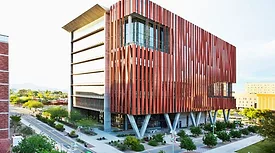
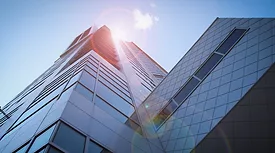
Solarban glass, one of the earliest coated energy-efficient glass brands, has driven the sustainable building movement with significant energy savings and transparency. This has enabled architects and designers to achieve and exceed eco-friendly design goals.
Building Enclosure was recently joined by Daniel Overbey. Dan is an Assistant Professor of Architecture at Ball State University and the Director of Sustainability for Browning Day in Indianapolis. He joined us to chat about some trends in sustainability and how this ties into LEED v5.
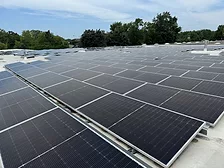
Following the move into a new and energy efficient facility and investing in state-of-the-art equipment, Sheet Metal Supply (SMS) has recently flipped the switch to operating 100 percent on solar power.
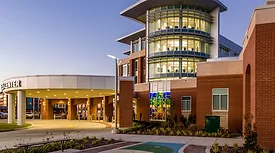
As part of supporting a healthy community, the project prioritized sustainable design, green building materials and energy efficient systems, to earn LEED® Silver certification by the U.S. Green Building Council.
Sustainability involves everyone, especially those in the commercial sector. Each company’s carbon footprint can hurt or help the planet survive climate change. Reimagining energy consumption and usage is essential in crafting a greener future. These are a few ways to optimize your commercial structure to reduce each property’s environmental impact.
The U.S. Green Building Council California announced the 2024 cohort of the world’s first Net Zero Accelerator® (NZA). The NZA helps position selected pilot-ready, building-focused technologies for success by accelerating their market entry throughout California and beyond through collaboration with marquee partners and advisors who provide guidance, connections, and participation in pilots.
The National Institute of Building Sciences (NIBS) issued the 2024 Moving Forward Report, a two-part report focused on recommendations to ensure access to clean water and sanitation and to promote housing affordability.
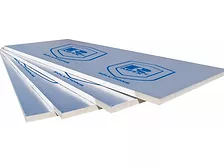
ECOMAXci® FR Air Barrier allows for optimum efficiency through multiple design options, ease of construction, a better building envelope and reduced energy usage.
Occasionally, I hear contrasting—at times, even incompatible—notions about the United State's energy consumption. Word-of-mouth can allow talking points to take on lives of their own and data trends change over time. What does current data offer in terms of the U.S. energy sector?
Committed to the careful stewardship of its resources, the college recently reached a significant milestone for “To Zero By Thirty-Five”, its ambitious energy plan which charts a transformative path to efficient, combustion-free energy on campus.