Mission critical buildings around the world share a common denominator when it comes to materials installed in a crucial part of the enclosure—the roof.
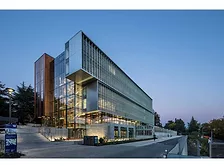
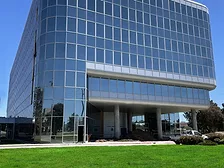
The University of Washington Life Sciences Building, recently named one of the top green building projects of 2021 by the American Institute of Architects’ Committee on the Environment, features building integrated photovoltaic windows and a highly transparent glass façade.
Design and building professionals carefully consider not only the correct hue, but also understand the importance of specifying colorful coatings with appropriate performance, longevity and sustainability.
A striking, early example of Late Modern "High Technology" architecture received a 21st-century facelift when its aluminum-clad exterior was refinished with metal restoration coatings.
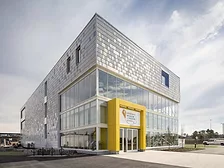
Formerly housed in the downtown Portland Arts District, the Museum & Theatre’s former physical limitations restricted its ability to expand programming and services for steadily growing visitation and educational offerings.
 RSS
RSS