The Importance of Weather-Resistant Barriers
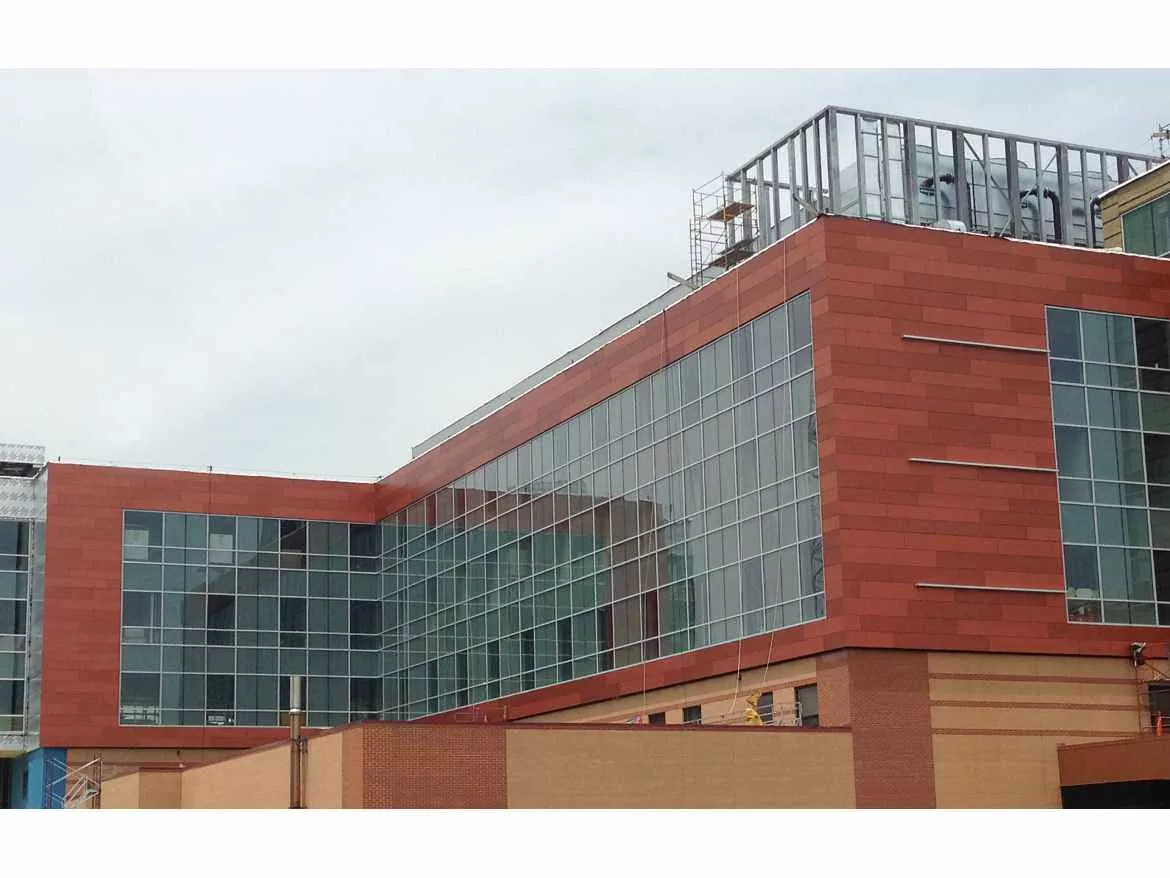
Weather-resistant barriers play a crucial role in the protection and energy-efficiency of today’s commercial buildings. Weather-resistant barriers can both protect a structure’s walls from air and water infiltration and keep moisture from accumulating in the wall systems. High quality weather-resistant barriers are not only air-resistant, but also prevent moisture and vapor. This can ensure that a commercial building remains energy-efficient and protected by barriers, such as asphalt-felt, Grade D building paper and plastic building wrap.
Toward the end of the 1990s, environmental concerns and rising fuel costs led to a need for more energy-efficient structures. This is where weather-resistant barriers first became popular. However, it was not a smooth transition at first. The original designs of weather-resistant barriers were airtight but were not permeable. Since they were not permeable, moisture was trapped in the walls, leading to rot and mold. This made it obvious that weather-resistant barriers needed to be vapor permeable, which would let water escape from wall systems and prevent deterioration or damage to the building.
Over the years, studies have shown that moisture damage plays a significant role in the premature deterioration of buildings. However, moisture problems can be significantly reduced if the proper design is utilized, and construction of the exterior wall is performed correctly.
Beyond providing an appeasing aesthetic look, a building’s exterior is primarily a weather barrier. The cladding serves as the first line of defense in protecting a building’s occupants from the outdoor elements. Although, regardless of how tightly sealed the cladding is, moisture can often make it through gaps and small crevices. Any moisture can cause issues that can affect the durability, indoor air quality and thermal efficiency of a building. After the cladding, weather-resistant barriers are the second line of defense against moisture entering a building.
Moisture trapped between the sheathing and exterior cladding can cause sheathing to deteriorate over time. To prevent this from happening, construction crews should use a systematic approach to moisture management to keep water from reaching the sheathing or framing. This can include using water-deflecting components such as exterior claddings and overhangs. However, it is just as important to install an integrated weather resistant barrier and flashing system that can assist in protecting the building from air and moisture intrusion.
Moisture exposure over a long period of time can also lead to mold growth, which can have a negative effect on the indoor air quality. Often overlooked, normal day-to-day activities inside a commercial building, including cooking at a restaurant or washing sheets daily at a hotel, can produce moisture vapor that may cause problems if trapped inside the wall cavity.
It is easy to confuse weather-resistant barriers with water-resistant barriers. The difference is that water-resistant barriers provide a wall that keeps only water from entering behind the exterior wall veneer.
Besides being air- and moisture-resistant, as well as vapor permeable, a high-quality weather-resistant barrier should be UV-resistant and have a high tear strength. Plus, it should be easy to install and meet building code requirements for water resistance.
When designing these wall assemblies, the builder and manufacturer should also ensure that the wall system meets all applicable fire codes. The International Building Code typically requires National Fire Protection Association testing with combustible materials on exterior wall assemblies of buildings that stand more than 40-feet tall.
Keys to the proper water-resistant barrier
The wall assemblies that perform the best are the ones that are designed to manage moisture, but also dry out. When water penetrates the exterior finish, the weather barrier needs to work with the integrated flashing to lead water back to the exterior. This helps keep the framing dry and prevents the accumulation of moisture in exterior wall cavities.
A water-resistant barrier must prevent water from entering. A building wrap, which serves as the barrier, should be able to pass two specific tests. One of them is known as a “water ponding” test that measures its resistance to a pond of one-inch of water that has accumulated over at least two hours. The other test that will prove its effectiveness in keeping water out is a more rigorous hydrostatic pressure test. This involves the building wrap being subjected to a pressurized column of water for approximately five hours.
The proper weather-resistant barrier must also be durable. Since it must be able to withstand the handling and application process without losing any of its water resistance, monitoring the tear resistance and tensile strength are the best measure of a building wrap’s durability. The durability can also be measured by ultraviolet and low temperature resistance. Being exposed to these elements for a long period of time can compromise the integrity of the barrier and even cause it to crack.
As mentioned previously, vapor permeability is also essential. It is believed that builders should aim for around 10 to 20 perms for the building wrap to achieve the desired balance of breathability and moisture protection. If the vapor permeability is much higher than that, the moisture can be driven out of the back side of the cladding and eventually end up in the wall cavity. If it is too low, the drying potential of the outside of the cavity can be compromised.
Airflow must also be controlled by an air barrier, which is a system of assemblies within the building enclosure. These air barriers are created, installed and incorporated strategically in order to stop the uncontrolled air flow from entering or leaving the building enclosure. Because the air barrier isolates the indoor environment, it plays a critical role in the overall indoor air quality, energy efficiency and comfort of the building.
Having proper drainage is one of the most effective measures for reducing moisture damage from heavy rain penetration, especially in states that get the most rain. Having the appropriate drainage keeps the walls dry, which is one of the main jobs and purposes of the building wrap.
Regardless if a weather-resistant barrier meets all of these keys or not, it must be properly installed in order for the building wrap to do its job. These are typically installed from the foundation upward. This ensures that joints overlap with the higher path overlapping the lower level. Many installers would recommend that all horizontal seams overlap at least six inches with the vertical seams overlapping between six and 12 inches.
Across the country, concerns about moisture and weather damage have led to an increase in weather resistant barriers being used in construction. These materials have become a crucial component to the building’s exterior wall system as they are air-resistant and prevent moisture and vapor. All factors that can damage a building and even effect the health of the tenants. These factors, along with evolving building codes, have caused the construction industry to take a closer look at how moisture is managed in the wall assembly. With the proper installation, vapor permeability, testing, airflow and durability, the weather-resistant barrier can keep a building and everyone inside it protected.
Looking for a reprint of this article?
From high-res PDFs to custom plaques, order your copy today!

.webp?height=740&t=1767036885&width=auto "Header - BE 1170x658 (002).png")

.webp?height=740&t=1755781744&width=auto "KEE(2).png")