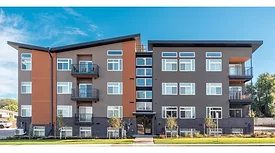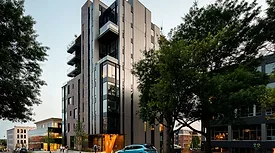
Brick, glass and insulated metal panels were used to achieve a modern design while connecting the building with its surrounding urban environment and the natural world outside.
One of the most effective ways to achieve these goals is through insulation; one of the most cost-effective ways to insulate the space you’re building or designing is with a polyisocyanurate installation for your roof.
The U.S. General Services Administration recently awarded over $10 million to select windows made of low embodied carbon glass to be featured in an existing renovation project at the Lewis F. Powell Jr. U.S. Courthouse and Annex buildings in Richmond, Virginia.
A successful recladding project is usually only known by the project team, as the final product looks almost identical to the original product, just without the deterioration.
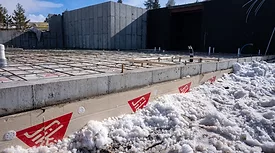
We sat down with PIMA president Justin Koscher to discuss the role of polyiso insulation in increasing energy efficiency, and the role polyiso plays when used in below-grade for thermal resistance.
One proven way that design teams can deliver a virtually airtight, low-embodied building envelope is by integrating structural insulated panels (SIPs) during the planning stages of a project.
This month, we celebrate all women; but also highlight industry experts who are forging equality, sharing their knowledge, and creating change in the design and construction markets.
The common denominator for today’s design is that one type of material is no longer good enough. Combining multiple aesthetics into the design of a building is the standard rather than the exception. Because the days of monolithic design are long gone, architects are pushing the limits seeking to integrate materials for a modern, sophisticated look.
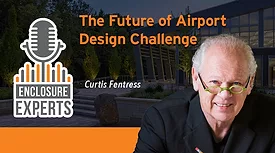
Fentress Architects announced the commencement of the 2024 Fentress Global Challenge. We were joined by the founder of the competition, Curtis Fentress. Curtis sat with us to talk about the competition, how this year looks different and what the jury is looking for when it comes to selecting this year’s winner.
While much attention has historically been focused on operational carbon emissions generated during a building's lifecycle, the significance of embodied carbon cannot be overstated.