We caught up with the CEO of IIBEC, Brian Pallasch, at this year’s convention and trade show to chat about the show and their plans beyond. Listen in as Brian talks about the IIBEC/OBEC Symposium happening in Toronto this Fall, and what makes the symposium different this year.
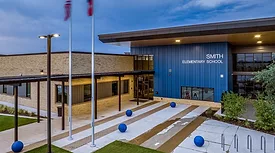
The reborn Smith Elementary is a near-twin of a second K-5 school, also recently opened, to replace a 70-year-old facility elsewhere in the region. Both schools feature identical floorplans, but designers with Pfluger Architects’ Austin office wanted to give each exterior unique identities, and metal wall panels offered a great option given the profile and color options now available.
Embarking on an important new chapter, the leading women’s advocacy organization Beverly Willis Architecture Foundation (BWAF) has announced the appointment of Tizziana Baldenebro.
Unlike anything offered on campus before, the project thoughtfully employs design features and amenities reflecting the character of the district, while the building form and interior elements pull inspiration from the energy and dynamic nature of ice hockey.
Among myriad strategies to help make buildings healthier for occupants, one of the most potent ways to improve their psychological and physiological responses to a built space is to appeal to our hardwired affinity for the natural environment.
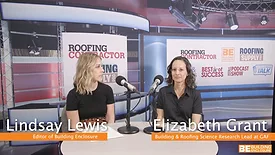
Last month at IIBEC’s Annual Convention and Trade Show, we caught up with Elizabeth J. Grant, PhD, AIA, Building & Roofing Science Research Lead for GAF, to discuss her upcoming webinar, “PVC: The Other White Sheet?”
Early planning ensures compliance with ever-stricter environmental regulations. It allows time for devising the most efficient building processes, reduces waste generation and minimizes a project’s overall carbon footprint.
Next month, the roofing industry will show up with one voice to call on Congress to talk to them about issues of interest to the industry. This year, the event runs from April 16-17 at the Grand Hyatt Washington.
Along with its space saving properties, the masonry system’s design improved efficiency on the job site. The pre-assembled blocks eliminated the multiple passes that would have been necessary to construct standard cavity walls.
 RSS
RSS





.webp?height=168&t=1711279082&width=275 "early planning can reduce environmental impact in construction projects (002).jpg")