Defined as the ability to do or produce something without wasting materials, time, or energy, in today’s commercial architecture, a building’s long-term operational efficiency is far more impactful than any efficiency achieved in design or construction.
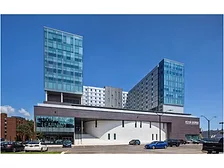
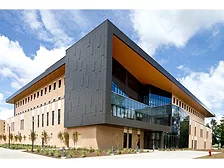
Diamond Schmitt’s innovative architectural design includes a four-story, skylit atrium; a 650-seat auditorium and connecting helical staircase; and a U-shaped block of daylit residential and study spaces.
The work environment has never been so unconventional. Returning to the office after the pandemic might be a competitive process as employers look for spaces that connect with employees uniquely
Each panel was designed with integrated drainage channels on the front and back to eliminate moisture. The brick masonry units allowed for the genuine look of brick without requiring the structural steel of a conventional masonry system.
Commercial energy audits are an essential part of keeping buildings operating at peak performance. They are an evaluation of a structure’s efficiency, and a lot goes into performing one.
Inherently non-combustible and more lightweight than masonry or cement board, gypsum gives commercial designers, engineers, and builders an easier path toward fire resistance compliance for interior and exterior walls.
The original specification called for aluminum composite material to match metal wall panels on the building. Cost savings, design options and speed of installation were brought to the table by changing to wall panels.
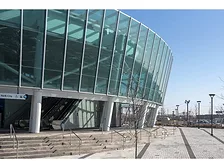
Constructed in 1936, the original station featured a cramped design and lacked accessibility for those with disabilities. The project goal was to revive the train station to provide greater, easier access for all travelers through a bright and modern architectural design.
 RSS
RSS