USGBC publishes an annual announcement to celebrate the "Top 10 States for LEED." Now in its 12th year, the annual list is based on the gross square footage of LEED-certified space per capita added in each state over the past year, using U.S. Census data.
For roofs with large surface areas, the potential for large overburden installations, such as solar, vegetative roofing, or amenity decks can be exceptional.
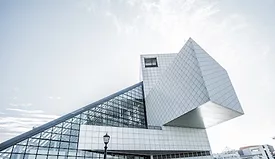
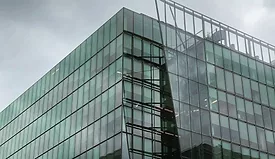
The pursuit of elegant building enclosure design is ever-growing, particularly for aluminum-framed curtain wall systems. Where these curtain wall systems transition to horizontal roof systems, designers have long sought to minimize the visual impact of these conditions by subtly concealing them.
Solar Atmospheres of California provides state-of-the-art vacuum thermal processing services. In response to the challenges of California’s energy market, SCA commissioned and installed the state’s largest commercial solar + energy storage system.
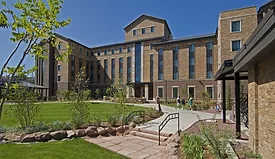
Colleges and universities today are looking for sustainable facilities, and a number of them choose to participate in the LEED process to obtain a measurable level of sustainability.
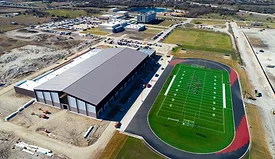
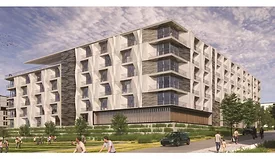
Global technology and consulting firm, Infosys, working together with Browning Day, designed a 70-acre site on the west side of Indianapolis, which is now home to their U.S. Education Center.
 RSS
RSS






.webp?height=168&t=1650628820&width=275 "8606 Live Oak Ave. Fontana (14).jpg")