What Are the Most Popular Cladding Materials?
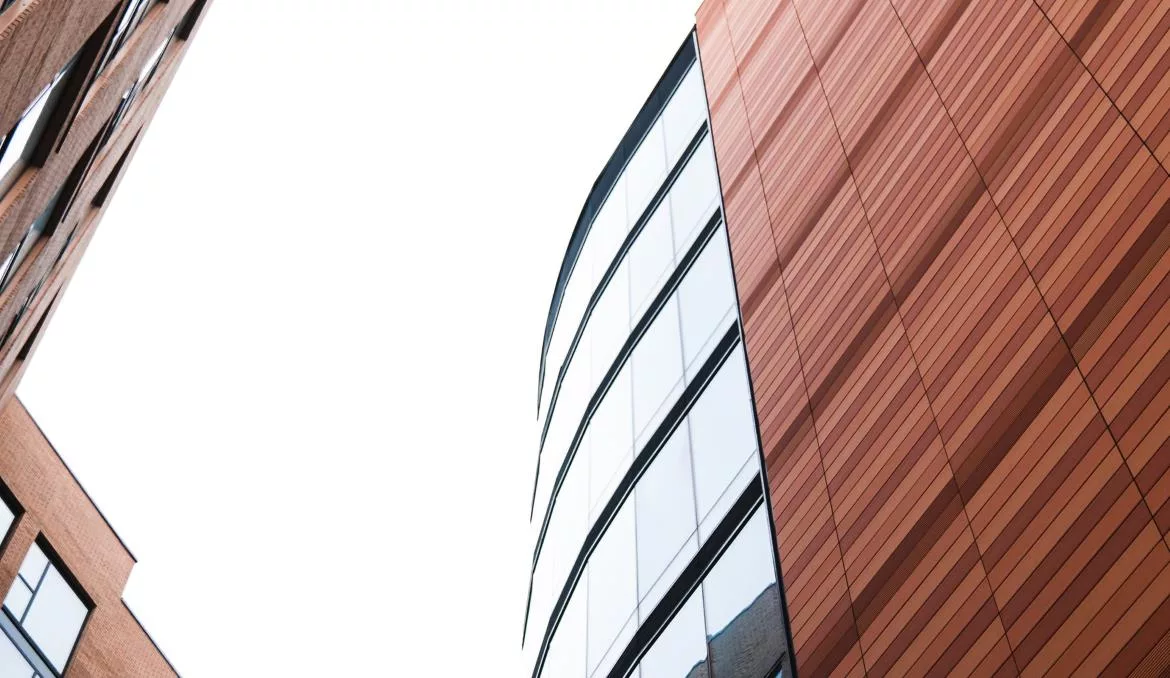
Photo courtesy of Peter Fogden via Unsplash.
Knowing about the most popular materials used for cladding can help construction professionals steer their clients toward making the best choices. Cladding provides insulation and helps safeguard the structure. Additionally, exterior wall details can add aesthetic characteristics, such as color and texture, to the building.
Here are some of the most widely used cladding materials to consider.
Cladding Variations Occur by Region
A breakdown of exterior building materials found that certain options are especially popular in particular regions of the country. However, some were top overall. About 28% of structures in the survey had stucco cladding, and 26% featured vinyl siding.
However, the survey found that stucco was the most popular material in the Pacific, Mountain and South Atlantic regions. Conversely, vinyl was the top pick in New England and the Middle Atlantic.
It’s also worth noting that stucco is not a good choice for climates that receive above-average precipitation. That’s because it can get oversaturated due to too much rain exposure. On the other hand, it works well in commercial structures because the cladding can last for decades with proper installation and care.
State-based regulations could also dictate which cladding materials can be used for particular projects. Officials in Minnesota considered creating a hierarchy that stipulated what someone could use and how much of a building’s exterior they could cover. Traditional options like brick and stone were among the most favored options. However, other materials lower in the hierarchy could only cover a maximum of 30% of the building.
These variations are a good reminder to consider location-based specifics before going with a popular cladding material. That way, it’s less likely there will be costly surprises later.
Cladding Adds or Preserves Aesthetic Details
There’s no need to stick to a single cladding type within one building. That’s why it’s vital to be mindful of the requirements associated with the individual building. A commercial project in Toronto, Canada, offers a good example of what’s possible. Some parts of the building have glass cladding, while others feature brick accents.
An update to the project’s progress showed that using different cladding on two adjacent buildings made them appear as close-standing towers. They’re not and actually have interconnecting hallways. People working on this project also remained conscious of exterior wall cladding details so they complement nearby historical buildings.
Wood cladding is a popular option when builders want to prioritize aesthetics and durability. It can make the structure more sustainable, too. For example, some companies offer cladding made of reclaimed driftwood. That’s a good choice for sustainably minded clients that want their corporate social responsibility aims to extend to their facilities.
Cladding can also support aesthetics by playing a vital role in masonry restoration. One option is to put reinforced concrete jackets on one or both sides of a stone or brick wall. This approach can improve a building’s load capacity or make it more resistant to wind. Using cladding to reinforce existing structures is an excellent way to maintain a structure’s historical aspects while ensuring it remains safe.
Making Aging Apartments Beautiful and Safe Again
In a Toronto neighborhood, a construction team urgently needed to deal with the dangers of aging infrastructure on concrete apartments. David Collins, a partner with Zeidler Architecture, explained, “Concrete was beginning to deteriorate. Cracks were forming, water was corroding the rebar, and through many freeze-thaw cycles, concrete was starting to spall and fall off the building. This spalling concrete was seen as a potential danger to both passersby at grade, as well as residents using their balconies.”
He continued, “Every year, the operating and maintenance budget was increasing, just to keep things in working order, and really, the fixes were just Band-Aids. A major overhaul of many of these systems was required in order to prolong the life of the buildings.”
The solution involved overcladding the brick and concrete sections of the building with a curtain wall-type assembly and putting a protective coating on the exposed shear walls. This allowed for keeping most of the original architecture and making only a few small, modern updates. Additionally, all the tenants could stay in the building while work on the project was underway.
Before getting started with the work, the team found an example of a London housing complex with similar issues to the Toronto one. The crew working on that endeavor used a similar overcladding option.
That discovery gave the Toronto workers a valuable case study they could use to steer their project. This shows that prioritizing the most popular cladding materials is not always the right choice. It’s best to determine the specific needs of the individual building, then see what options on the market would be most appropriate.
Bespoke Rainscreen Cladding Promotes Moisture Management
Anyone who subscribes to or reads some of the top construction industry publications may have heard of rainscreen cladding. That system places a small air gap between the structure and its interior wall, promoting airflow that prevents rot.
One valuable aspect of rainscreen cladding is the variety of materials people can pick for it. One company that recently built a bespoke system at a student accommodation building allows clients to select materials ranging from bronze to ceramic. That versatility means people can often choose cladding for moisture management based on their specific needs and preferences.
However, a Fortune Business Insights market analysis of the rainscreen cladding market from 2020 to 2027 found that certain materials were more popular than others. Researchers predicted that composite materials would represent the leading market segment during that period. They clarified that it’s possible to shape composite rainscreen panels into complex shapes, which adds to their versatility. Additionally, some options feature 100% recycled materials, making them sustainable.
The report also mentioned that metal rainscreen cladding was another popular choice due partly to its corrosion resistance, high tensile strength and low-maintenance advantages. The data revealed that fiber cement is also a growing segment of the market. That material withstands high winds and rainwater and has fireproof properties.
Another finding in the report was that the commercial segment would be the most significant market driver. The researchers noted that the fast pace of industrialization and the need to renovate aging commercial buildings would encourage people to explore the various offerings in the rainscreen cladding sector.
Cladding Is an Important Construction Consideration
These examples show that many factors dictate what makes a cladding material popular. Sometimes, people primarily choose it for its properties. In other cases, their top concern is whether it will suit restoration needs or what exterior wall details they require to get the desired aesthetic outcome. However, knowing about the broad range of cladding materials available will help projects go smoothly and be successful.
