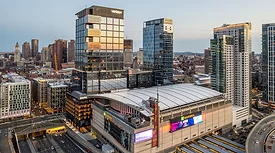
When evaluating the prospective location for a multi-family residential project, there are many factors that should be considered. Chief among them is a factor that is often overlooked: potentially intrusive existing noise sources around the building site.
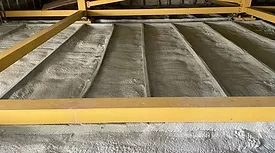
Extreme cold coupled with high winds had been causing the pipes under the barracks, which were heated to 180 degrees, to freeze. The structure’s fiberglass batting insulation had failed to perform under such intense conditions.
Browse our articles to read about topics such as reducing carbon in precast wall systems, achieving the proper airtightness of buildings, and how metal roofs are leading the way toward energy efficiency.
Building Enclosure was recently joined by Shirley Che, Marketing Director for the Zweig Group. The Zweig Group is hosting the ElevateHER Symposium in Dallas on February 15. Shirley sat down with us to discuss the symposiums purpose and their commitment to help recruit, retain, and engage the best minds in the industry.
Designing a building such that its interiors may allow for passive survivability and the ability for occupants to shelter in place during an extreme temperature event can be assessed using the standard effective temperature (SET) metric.
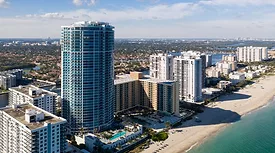
The exterior of the building is exposed daily to punishing environmental conditions including high UV rays, high humidity, salt spray, and windborne sand. Over the years, these environmental assaults served to break down the builder-applied acrylic coating on the building’s stucco surface, leaving it chalky and dull.
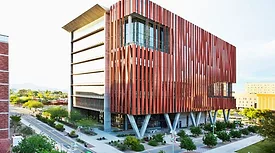
With its distinct strips of terracotta panels and expansive glazed curtainwall, the new 230,000-square-foot Health Sciences Innovation Building at the University of Arizona features an expansive ground floor forum, daylit student lounges and study spaces, state-of-the art simulation laboratories and more.
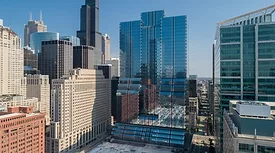
The project, which is expected to continue through 2025, includes the removal and replacement of the original 35-year-old sealants on the entire 588-foot-tall building’s curtain wall and bridge.
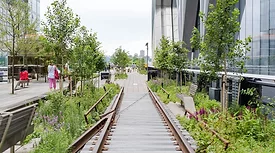
Land is a limited resource, but demand for construction keeps rising. That situation, paired with the push for greater sustainability, presents a challenge. With adaptive reuse, construction firms can create new spaces without building an entirely new structure.
 RSS
RSS



.webp?height=168&t=1675017988&width=275 "Header - BE 1170x658 (002).jpg")