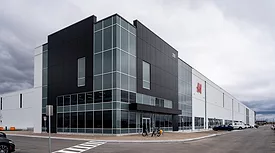
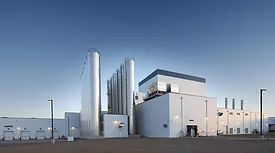
To achieve the aesthetic goals of the building, material availability was crucial. There was an emphasis on using materials that were readily available and could be quickly secured without long lead fabrication times. This made insulated metal panels a clear choice for the building envelope.
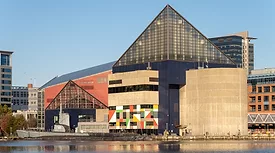
To meet the Rainforest habitat’s criteria, the glazing replacement had to support temperatures of between 75°F and 85°F, humidity levels between 50% and 87% and light transmittance of between 54% and 75%.
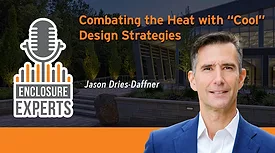
Building Enclosure was recently joined by Jason Dries Daffner, principal and chief operating officer with MBH architects. Jason sat down to talk about his experience with eco-friendly design strategies, and how MBH has implemented these strategies to combat severe weather.
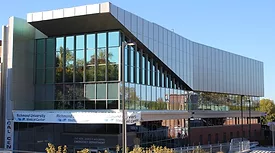
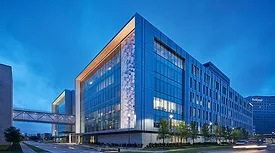
The multi-level expansion, which houses the hospital’s Emergency Department, presents dramatic glass curtain wall and metal panels on its south and east façades.
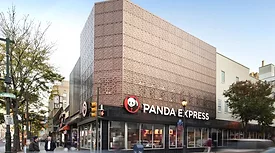
J&G Building Group, Middletown, Del., installed 2,000 square feet of copper anodized Perforated Imaging Dri-Design Panels. For the install, metal Z-furring was attached to the masonry walls of the building followed by a layer of ¾-inch plywood.
For optimal energy efficiency and natural lighting for the Parkland Moody Outpatient Center, HKS Architects specified Solarban® 90 Acuity™ glass, which provides exceptional transparency, color neutrality, solar control, and visible light transmittance.
Construction firms today have many waterproof membranes to choose from, each with its own strengths and weaknesses. Project managers must go over the following seven considerations to make the right choice.
Architects and others looking to get to the island to help should be aware of the conditions on the ground before going there. Steve Slepcevic, CEO of Strategic Response Partners, shares his insights for any architect that is looking to help, how to prepare, and specific PPE everyone will need.
Enclosure materials influence embodied carbon goals. This means that selecting and designing for low-carbon enclosure materials is important for reducing the overall embodied carbon impact of the building. It is important to note that using heavier enclosure assemblies may require additional structural support, increasing the embodied carbon associated with the building structure.
Insulated metal panels are increasingly the preferred building envelope solution for these plants because of their versatility that includes thermal efficiency, temperature control, design flexibility, safety, ease of installation, durability and more.
 RSS
RSS