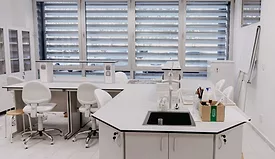
Due to the COVID-19 pandemic, society has changed to promote science and faster results. Coupled with the fact that many workplaces remain remote at least part of the time, this change creates a unique situation where the life science field requires more buildings, and there are plenty of empty workspaces to spare.
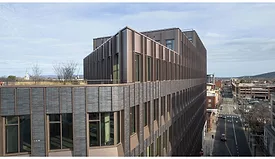
Energy efficiency and clean air were two of the top priorities that drove design. That presented architects with a challenge. They had to figure out a way to bring in fresh air, while keeping the building envelope tight.
Most components of a lightning protection system can last the life of a structure with little maintenance. Unfortunately, the same cannot be said of typical roofing systems and rooftop equipment; they need routine servicing, occasional repairs, and, all too frequently, replacement.
The envelope backstop was introduced by policymakers to limit how far building enclosure thermal performance can stray from the envelope prescriptive requirements.
EIA’s most recent data reports that energy-efficient, multi-paned windows are featured in 60 percent of U.S. buildings, which account for 75 percent of commercial floorspace. This presents a significant opportunity to improve existing buildings and to construct new buildings with energy-efficient daylight openings, including polycarbonate glazing and wall systems.
The COVID-19 pandemic has shifted expectations in nearly all aspects of our lives. Whether in work, school, or leisure, we’ve collectively been forced to adapt new habits and ways of thinking.
 RSS
RSS