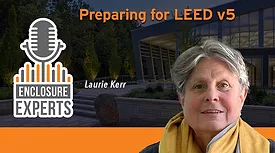
USGBC recently announced the opening of the first public comment period for its draft rating system, LEED v5. This is just another step toward providing a comprehensive framework for creating sustainable, and resilient built environments.
The Biden-Harris Administration released Decarbonizing the U.S. Economy by 2050: A National Blueprint for the Buildings Sector, a comprehensive plan to reduce greenhouse-gas emissions from buildings by 65% by 2035 and 90% by 2050.
While much attention has historically been focused on operational carbon emissions generated during a building's lifecycle, the significance of embodied carbon cannot be overstated.
Lafarge Canada shifts production to OneCem cement at its St-Constant Plant, reducing CO2 emissions by 60,000 tons in 2024, advancing sustainability goals.
BASF and Carlisle Construction Materials have announced a collaboration using Lupranate® ZERO, the world’s first isocyanate with a zero carbon footprint.
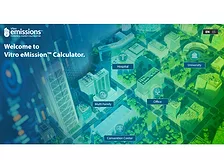
Vitro Architectural Glass has unveiled a new digital tool called the Vitro emissions Carbon & Energy Calculator, which models energy consumption and embodied and operational carbon emissions in various standard buildings.
Statewide energy codes are important for several reasons—not the least of which are reduced energy consumption, mitigated greenhouse gas emissions, minimized building operational costs, and improved climate resilience. Yet, at the time of this writing, ten states do not have a statewide commercial energy code.


.webp?height=168&t=1708371252&width=275 "Lafarge Canada - Cement - RSP (003).jpg")