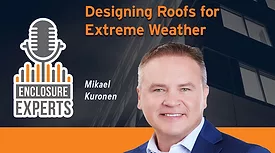
Building Enclosure was recently joined by Mikael Kuronen, Director of Product Management for Georgia-Pacific Gypsum. Georgia-Pacific recently created an eBook "Designing for Extreme Weather." Mikael came on the podcast to discuss this resource and why it's important to specify a resilient roof system.
In our Summer 2023 issue, you’re going to read a lot about facility design. A strong understanding of what type of building your designing is important to ensure the facility is able to perform properly and is suitable for the end-use.
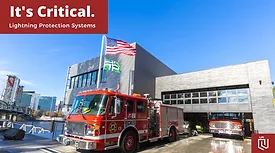
Critical facilities, as defined by the government/FEMA, can include: fire stations, police stations, hospitals, emergency operation centers…and more. Are these critical facilities in your community protected from a lightning strike?
Weather in Florida isn't what it used to be. Tropical storms and hurricane seasons have intensified in recent years. Buildings need to be able to withstand the worst, no matter their size.
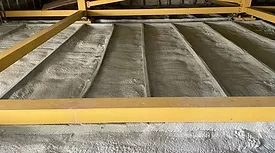
Extreme cold coupled with high winds had been causing the pipes under the barracks, which were heated to 180 degrees, to freeze. The structure’s fiberglass batting insulation had failed to perform under such intense conditions.
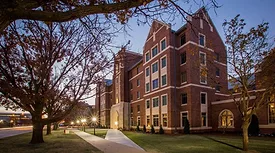
The U.S. averages 1,333 tornadoes per year with more than half of those occurring between April and June when most universities are still in session. The top five states with the highest number of tornadoes annually include Texas, Kansas, Florida, Oklahoma and Nebraska.
Browse our latest issue to learn more about groundbreaking testing, designing for the extremes with lightning protection systems, next generation spray foam addressing climate concerns, and understanding the very severe hail designation.
Understanding the components and the basics of a lightning protection system process enable everyone to make the appropriate assessment and recommendations for a design.