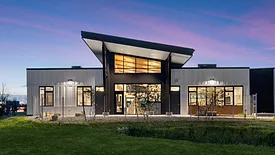
The building offers a sustainable LEED Silver-certified example for modern, mixed-use office buildings
July 9, 2025
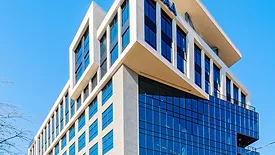
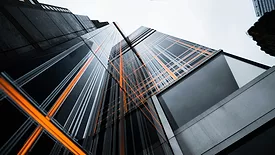
Designed by Axiom Architecture, the structure's exterior balances glass, metal and masonry in a sleek, modern style defined by transparent columns and horizontal bands created with EFCO fenestration and framing products.
Enhancing the building's visual appeal, the aging facade was replaced, and a 900-square-foot mural was installed
July 7, 2025
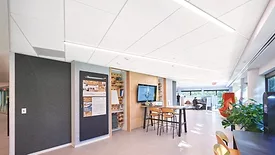
The Lenexa Old Town Activity Center has long served as a central gathering place for educational programs, recreational activities and community events, and recently underwent a major retrofit and expansion.
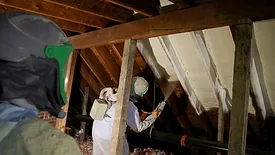
As the demand for high-performance buildings grows across commercial, institutional, and residential sectors, developers across the U.S. are turning to advanced insulation strategies to meet evolving energy goals.
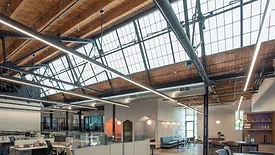
This article offers a closer look at four areas where millwork manufacturers are playing a central role in transforming the sustainability landscape: manufacturing efficiency, responsible sourcing, regulatory compliance and documentation transparency.
Rather than Zero Energy Buildings, we should pursue Zero Emissions Buildings. In addition to energy efficiency, we need buildings that eliminate the need for on-site fossil fuel use and only use zero emissions electricity.
New building replaces a modular Hardin School District aimed to create a new facility for its alternative high school program which had been operating in a modular building
June 18, 2025
The building design embraces the concept of a non-traditional high school, with flexible spaces tailored to meet the individual needs of students.
 RSS
RSS

.webp?height=168&t=1752088884&width=275 "Kingspan(12).png")

.webp?height=168&t=1750364381&width=275 "Tubelite(5).png")