How Building Designers Can Impact Health and Wellness
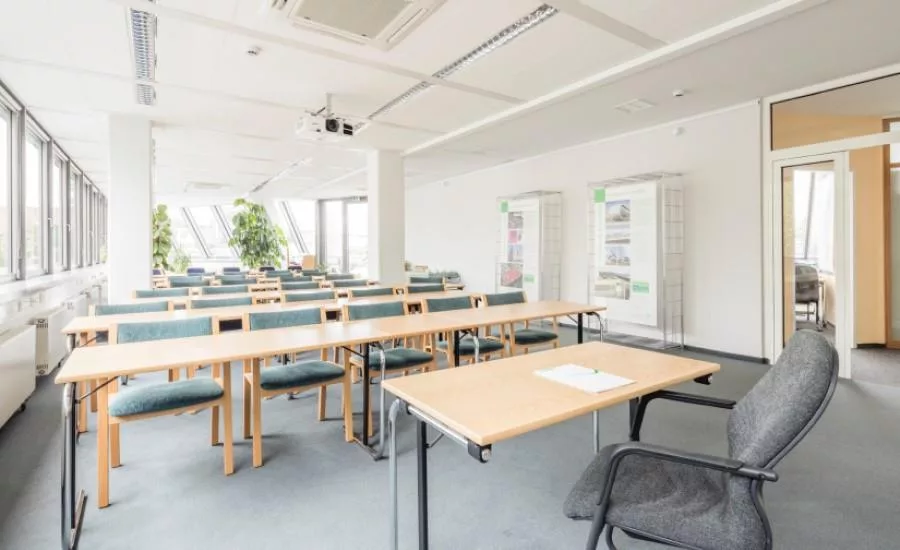
When designing a building, it is important for architects not only to keep in mind the safety of the overall structure, but also how it can affect people's overall health and wellness. With the pandemic, health and wellness have become a top priority for our society.
This is why the structure of our buildings should reflect this as well. To learn some tips on how to create a healthier space, keep reading.
The Growing Popularity of Wellness-Focused Design
When building designers think about how to structure the building, they often think about safety first. This is definitely an essential part of the process. However, health and wellness should not be overlooked—and a growing number of clients are intent on making it a project focus.
Corporate offices have experimented with wellness in design and found success. Research indicates this design approach can contribute to increases in employees’ productivity, morale and teamwork. It will also increase the level of retention for current employees. Having a workspace where employees feel like they can relax and be in a good mindset motivates them to work harder.
Other industries have increasing interest in designing for wellness as well. Hospitals and healthcare centers are placing value on choices that increase staff and patient well-being, which might include increased nature-inspired scenery or gardens integrated throughout the building.
How to Design for Health and Wellness
1. Look Into Air Quality
Select air filtering materials that have lower levels of volatile organic compounds, which can be harmful if emitted. Consider creating an entryway walk-off system that includes an air seal so that particulates and harmful materials can’t get inside. Having less chance for harmful bacteria to reach the air will increase the overall health of people entering and exiting the building.
Ventilation and air quality have come into greater focus throughout the coronavirus pandemic. This will undoubtedly factor into design decisions for years to come. Incorporating plenty of windows and entryways to increase the rate of airflow is always a smart approach, but installing state-of-the-art mechanical ventilation systems can also help keep clean air flowing throughout commercial buildings.
2. Incorporate Water in Every Way
Water is another life-essential element that can be better engineered in commercial buildings. Some regions facing water shortages have adopted smart guidelines for installing water treatment systems, which can help buildings reduce consumption while providing safe, filtered water for tenants.
Plus, including water as an aesthetic and functional focus can promote wellness. Flowing water motifs are visually enticing and can evoke peaceful, calm emotions. Even incorporating more water fountains in a building can encourage hydration for a building’s staff, clients or patients.
3. Provide Comfortable Places for Eating
It is important to create a relaxed atmosphere to promote mindful eating. Break times are essential to helping building residents unwind throughout the day. Design can help workers stay in the present moment and socialize with their coworkers. So, include comfy chairs and more inclusive seating arrangements to provide a variety of welcoming options.
Another way to promote wellness is to allow for more outdoor activity, particularly in warmer regions. Outdoor community spaces, whether balconies, rooftops or courtyards, should be designed with tables so workers can enjoy nice weather during their breaks for meals.
4. Provide Proper Lighting
Lighting has massive impacts on the way we navigate our days. Lighting can affect our circadian rhythms and our moods, which means it should be thought through during the design period. Workspaces, classrooms and other focus areas should allow for plenty of natural light to promote wellbeing during the day.
This doesn’t mean brighter is always better, of course. Make sure to use lights with appropriate levels of brightness to prevent eye strain when people are working on computers. Also, place lights in strategic areas, such as on a right angle to objects in the room, to avoid glare.
5. Create Spaces That Encourage Fitness
Building designers can account for physical movement throughout a space. When tenants need to stretch their legs, wellness-focus design can come in handy even in a completely indoors workspace.
Building for movement includes the creation of more stairwells along with easily accessible elevators. Consider designing these stairwells with brighter colors and more natural light to make them more appealing and available to people who may choose to use them.
Outside the building, be sure to provide a space to leave bicycles to encourage people to take a more active form of transportation to work. If the project allows for it, lockers and other wellness amenities can make those who run or bike before they enter a building feel more welcome to stash their fitness clothing and equipment.
6. Create Spaces That Increase Positivity
Consider incorporating design elements that represent the culture of the place and what it is being used for. Elementary schools, for example, increasingly embrace pops of color in not just the teachers’ decorations, but also the construction of the building’s flooring, walls and architectural features. These choices promote a bright, welcoming atmosphere that reflects young students’ energy and excitement to learn.
Also, create a design that uses natural elements and patterns, such as more natural light, to create a feeling of being outdoors even when inside. Add variety to room sizes and furniture selections to increase overall mood and workflow.
7. Create Comfortable Spaces
Finally, building residents must feel physically comfortable in order to have healthful work or visiting experiences. Office furniture, for example, should allow for a mix of sitting and standing, such as sit-stand desks. This promotes a sense of activity and discourages prolonged sitting.
Consider adding benches and seating with good back support for people who sit for prolonged periods throughout the day. Another essential design consideration is inclusivity; providing utilities for people with disabilities, such as wheelchair ramps, is not only a government requirement but a hallmark of wellness design.
Don’t Forget About Health and Wellness in Building Design
When designing a building, there are so many different elements to keep in mind. Health and wellness should be near the top of the list. Designers and architects can positively impact people’s overall health and wellness by incorporating healthy air quality and water systems, proper lighting and flooring, and adding spaces that promote fitness and positivity.