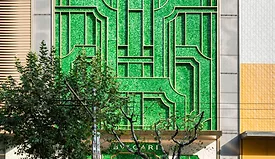
The façade industry features many building materials that can be recycled and reused, many of which can take on an entirely new and different life in their second chapter.
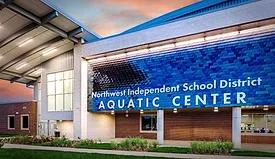
Fort Worth, Texas, recently was named the second fastest-growing city in the United States by the U.S. Census Bureau, and this growth is quickly spreading into surrounding suburbs.
The incorporation of metallic coatings provides added benefit on multiple fronts—greater durability, and enhanced aesthetics for prefabricated systems, prepared vertical walls, and interior drywall surfaces.
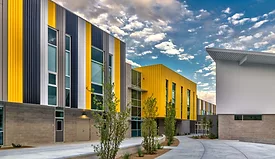
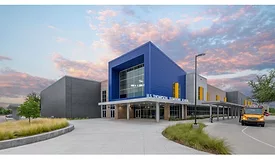
Planned as a replacement school for the H.S. Thompson Learning Center, KAI designed the new H.S. Thompson Elementary School in South Dallas, Texas as a beacon for academic excellence.
With labor shortages threatening the productivity and efficiency of the building industry, diversity, equity and inclusion come to the forefront as companies work to fill roles with expert candidates.
After years of steady deterioration, Hendricks Commercial Properties saved the architectural gem from ruin by initiating a grand restoration project for the long-neglected Bottleworks District.
 RSS
RSS
-(1)-web.webp?height=168&t=1658967893&width=275 "Chase Center HiRes (1) (1)-web.jpg")