To clad the 37,200-square-foot structure, Old Country Millwork supplied Four C’s Construction with approximately 8 tons of RHEINZINK’s architectural zinc. Four C’s fabricated the natural metal material into 12-inch-wide reveal wall panels and installed 7,600 square feet on the building’s exterior.
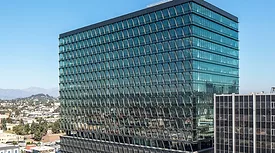
With a focus on energy efficiency and sustainability for this innovative design, Architect Gensler Los Angeles specified 156,000 square feet of Solarban 70 glass because of its superior solar control and thermal insulation properties.
One of the more subtle ways to make a building temperature controlled while considering the planet is ventilated facade systems. This cladding system changes a building’s envelope, improving the building’s efficiency and impact.
A recent renovation project for the Minneapolis Public Housing Authority’s Elliot Twin Towers development shows how these facilities can be upgraded to add decades to their usefulness and comfort to their residents’ lives. A metal wall panel system was used for a creative effect in this project, adding both insulating value and upscale visual flair.
Studio 804 is a year-long, educational opportunity for graduate students who are entering the final year of the Master of Architecture program at the University of Kansas School of Architecture and Design. Students are tasked with real-world building challenges as part of the program, including the designing, hiring of consultants, establishing budgets, getting permits and the physical act of building the entire structure.
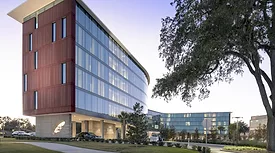
Design architect Alfonso Architects, Tampa, was tasked to create something special that departed from the brick buildings typically seen on hospital and college campuses. That variation led to the selection of Weathering Steel wall panels.
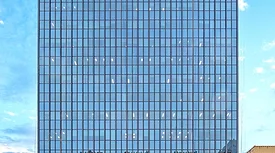
Originally constructed in 1971, the 500-foot, 36-floor structure began major renovations in early 2020, which included upgrades to its exterior windows, plaza, and landscaping areas.
Silicone coatings for flat roofs have grown rapidly in the marketplace, and are expected to continue this trajectory as the combination of waterproofing, reflectivity/energy savings, durability and rain-readiness properties resonate with both contractors and consumers.
Listen in as Laurel Christensen discusses how architects can promote more sustainable products in their everyday jobs, and how she’s utilizing industry resources to stay informed of sustainable product choices.
According to market research, the cool roof coating market is expected to reach $8.3 billion by 2032—almost doubling what the market currently generates. In our latest issue, we discuss this idea and much more.
 RSS
RSS



-web.webp?height=168&t=1696938151&width=275 "Coatings Installation - White Silicone-8936 (2)-web.jpg")