CertainTeed unveiled its U.S. Industry Trend Report on Wednesday at the International Builders' Show in Las Vegas, partnering with the market research firm Ipsos to survey industry professionals and homeowners nationwide on construction priorities.
The Building Code Effectiveness Grading Schedule serves as a tool for insurance companies to assess the effectiveness of building codes in mitigating risks associated with natural disasters, such as earthquakes, hurricanes, floods, and other natural disasters.
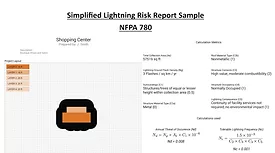
For over 120 years, the NFPA’s Standard 780 has stood as the definitive guide for effective lightning protection. Within the standard lies a crucial tool: the Simplified Risk Calculator, designed to quantify lightning risk for specific structures, empowering architects and engineers to shield properties from nature’s electric wrath.
Laminators Incorporated received notice from the Florida Department of Business and Professional Regulations indicating that the application for Florida Product Approval has been approved for the 2023 Florida Building Code.
A single lightning strike is hotter than the surface of the sun and contains over 1 million volts of electricity. When this immense energy hits a structure, the power surges through the pipes, building structure, and electrical infrastructure. These damages can be avoided with the proper design and installation of a lightning protection system.
The National Institute of Building Sciences and Fannie Mae have developed the Resilience Incentivization Roadmap 2.0 on mitigation investment to help people in America prepare for and respond to natural disasters.
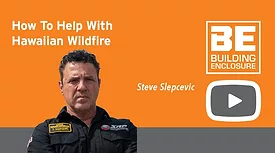
Architects and others looking to get to the island to help should be aware of the conditions on the ground before going there. Steve Slepcevic, CEO of Strategic Response Partners, shares his insights for any architect that is looking to help, how to prepare, and specific PPE everyone will need.
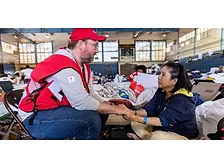
As fires continue to burn in Lahaina on Maui, Hawaii, destroying more than 2,200 structures and displacing thousands of residents, Simpson Strong-Tie is donating $100,000 to the American Red Cross Disaster Relief Fund to help with immediate relief efforts.
How we design facilities is of the utmost importance to our industry. A strong understanding of what type of building you're designing is important to ensure the facility is able to perform properly and is suitable for the end-use. A poorly designed building will not be able to serve its users, nor will it be able to function effectively.
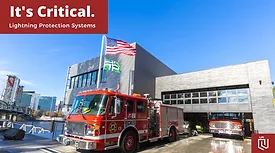
Critical facilities, as defined by the government/FEMA, can include: fire stations, police stations, hospitals, emergency operation centers…and more. Are these critical facilities in your community protected from a lightning strike?