Every air conditioning unit that uses vapor compression refrigeration contains chemical refrigerant mixes that absorb and release heat to enable a cooling effect through heat transfer.
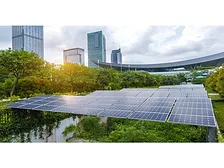
Energy-efficient building is one of the most important trends in construction today. As climate issues grow increasingly prevalent, construction firms face rising pressure to create more eco-friendly buildings.
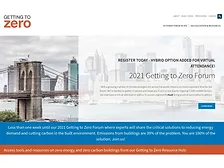
The country’s premier event dedicated to zero energy and zero carbon buildings, taking place October 27-29 in New York City, invites participants to attend in-person or virtually.
As the building design and construction industry continues to advance low-carbon solutions that tackle both operational and embodied carbon, a looming challenge remains: our national electrical grid still emits a lot carbon into the atmosphere.
Companies can decrease their environmental impacts by increasing the energy efficiency of construction and building maintenance. Reducing surface and atmospheric pollution can help America reach its carbon neutrality goal.
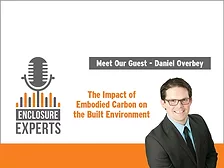
Building Enclosure’s Editor, Lindsay Lewis, sits down with Daniel Overbey, the Director of Sustainability for Browning Day, to discuss a hot topic as of late: embodied carbon.
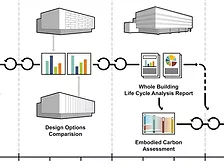
With the increasing awareness of the embodied carbon impact of the built environment on global warming potential, a variety of tools and resources have emerged in the marketplace.




.webp?height=168&t=1630632289&width=275 "states")