How Metal Roofs Support Green Building Practices
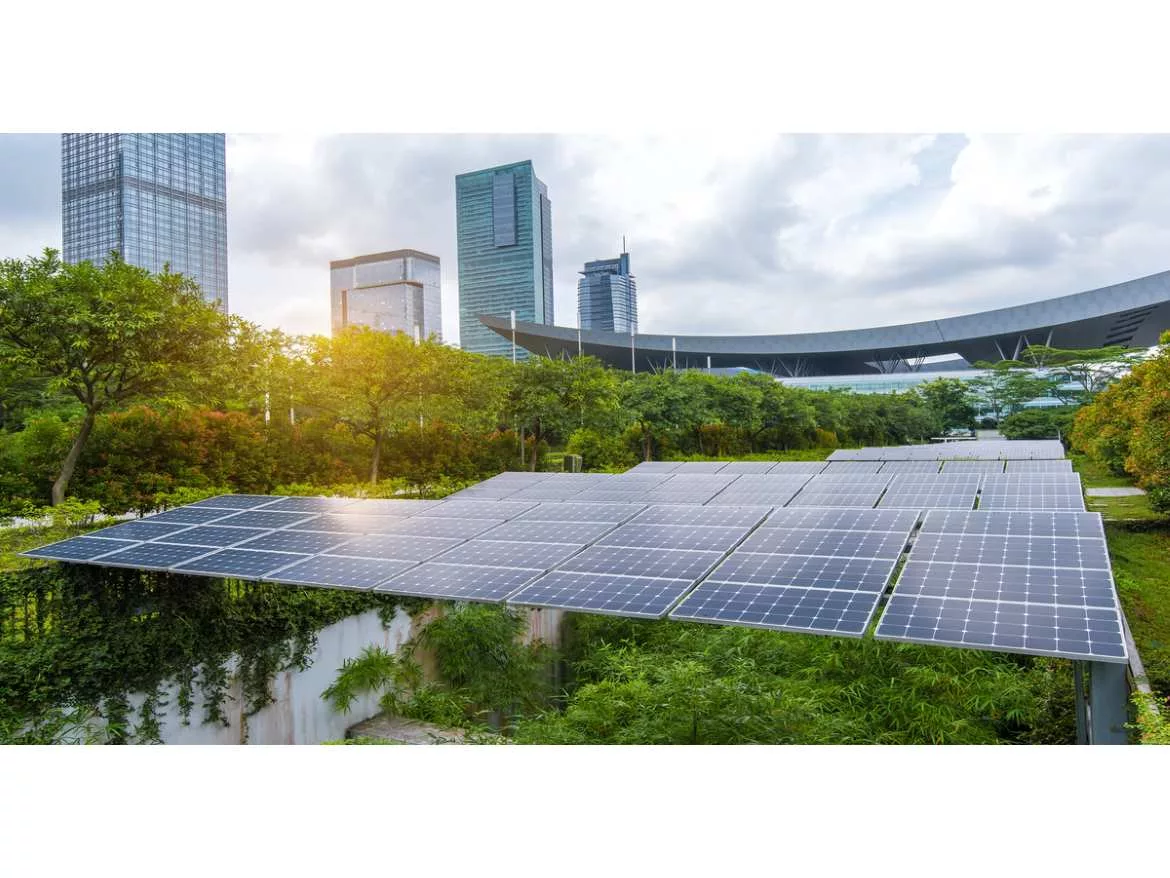
What’s important to individuals is also important to businesses focused on being good stewards in their communities. And reducing our carbon footprint and living more sustainably consistently rank at the top of the list of what is important to society. Green building methods are taking the construction world by storm, growing at unprecedented rates—and expected to reach $99.8 billion by 2023.
The businesses behind green buildings, including architects and contractors, may be inspired intrinsically by contributing to the greater good of our communities and our planet. But they also follow the trends to capitalize on business, and right now, it seems like everyone is investing big in green buildings.
Green building is a practice of using sustainable materials to construct buildings. These materials will last longer with minimal negative effects on the environment. When it comes to green buildings, metal roofs are the ultimate solution offering a low-maintenance alternative with a lifespan of up to 100 years.
How Metal Roof Panels Create Sustainable Buildings
Metal roofing has found its way from the farmland to mainstream commercial at the behest of a movement to find more sustainable building materials. At face value, it seems like the perfect solution to the fossil-fuel-laden asphalt roofs on older buildings.
Metal roofing is attractive, lightweight, durable, and fire-resistant. But the benefits don’t stop there; let’s take a look at all of the ways that metal roof panels can help achieve more sustainable buildings.
Recyclable Materials
While asphalt shingles end up in landfills, metal roof panels are fully recyclable. There is no shortage of places that take scrap metals, and most places will even pay for it. Old metal roof panels are melted down to create other metal products like appliances, plumbing fixtures, and furniture.
Energy Efficiency
Metal roof panels improve the energy-efficient performance of the entire building. Unfinished metal panels reflect high amounts of solar radiation, reducing heating and cooling costs up to 45 percent compared to traditional asphalt roofs. Plus, metal roofing can be coated with a variety of treatments that improve energy-efficient performance.
Metal Roofs and Solar Panels
Did you know that metal roof panels provide the base for most solar roofing systems? Both thin-film and crystalline solar technologies are good choices to pair with metal roof panels. The long lifespan of metal roof panels means that you won’t have to worry about removing solar panels to replace the roof.
Durability and Maintenance
The main reason that metal roof panels have seen a long history of use in agricultural buildings is for their maintenance-free durability. Most metal roof panels will last two or three times longer than a traditional asphalt roof. And there is little or no leaching when rainwater runs off of a metal roof, so some particularly eco-friendly building owners even harvest the rainwater using a collection system integrated into the building design.
Steel roof panels require virtually no maintenance. They are made from strong metal and often coated with a self-healing zinc product that prevents corrosion. Low-end panels will last at least 30 years, with most high-end panels lasting 70 - 100 years. Metal roof panels have a long lifecycle which means that you will replace materials infrequently, and with a 100% recycle rate, you won’t be sending those materials to landfills.
Using Metal Roof Panels to Achieve LEED Certification
The US Green Building Council offers an independent review and certification of buildings to designate them as energy-efficient, green buildings. If you are after another acronym that adds value to your property, LEED is a good one to have. LEED certification can be an effective marketing tool to reach customers in the community, so building tenants will happily pay more per square foot over other buildings.
The LEED Certification program is based on achieving points that are assigned at different values for each green building feature. Since metal roof panels are durable, energy-efficient, and recyclable, they rank high on the LEED point system. Metal roof panels tend to collect LEED points in a variety of categories, from efficiencies in energy and water to environmental quality and innovation.
Here is how you can use metal roof panels towards LEED Certification:
- Solar reflective roof panels reduce heat island ratings.
- Retrofitting existing buildings with metal roof panels.
- Keeps construction and demolition debris out of landfills with recyclable materials.
- Contains recycled content.
- Increases thermal efficiency and improves indoor environmental quality.
- Long lifespan, typically more than 50 years, offers a low lifecycle impact.
- Pairs well with solar technologies to promote reusable energy sources.
The Takeaway on Metal Roof Panels for Green Buildings
It’s hard to find reasons not to embrace metal roof panels for green building initiatives. The cost-savings from reduced energy consumption alone make a compelling argument in favor of metal roofing. But if that isn’t enough to persuade you, consider a long-lasting material that is 100% recyclable to seal the deal. And then keep in mind that most traditional roofing materials use fossil-fuel-based asphalt, which releases carbon dioxide into the environment when it heats up in the sun and leeches significant amounts of harmful chemicals into the surrounding soil with every rainfall.
Resources:
https://comfyliving.net/green-building-statistics/
https://earth911.com/home-garden/do-metal-roofs-save-energy/
https://www.metalsales.us.com/sustainability/
https://www.usgbc.org/press/benefits-of-green-building
What’s important to individuals is also important to businesses focused on being good stewards in their communities. And reducing our carbon footprint and living more sustainably consistently rank at the top of the list of what is important to society. Green building methods are taking the construction world by storm, growing at unprecedented rates—and expected to reach $99.8 billion by 2023.
The businesses behind green buildings, including architects and contractors, may be inspired intrinsically by contributing to the greater good of our communities and our planet. But they also follow the trends to capitalize on business, and right now, it seems like everyone is investing big in green buildings.
Green building is a practice of using sustainable materials to construct buildings. These materials will last longer with minimal negative effects on the environment. When it comes to green buildings, metal roofs are the ultimate solution offering a low-maintenance alternative with a lifespan of up to 100 years.
How Metal Roof Panels Create Sustainable Buildings
Metal roofing has found its way from the farmland to mainstream commercial at the behest of a movement to find more sustainable building materials. At face value, it seems like the perfect solution to the fossil-fuel-laden asphalt roofs on older buildings.
Metal roofing is attractive, lightweight, durable, and fire-resistant. But the benefits don’t stop there; let’s take a look at all of the ways that metal roof panels can help achieve more sustainable buildings.
Recyclable Materials
While asphalt shingles end up in landfills, metal roof panels are fully recyclable. There is no shortage of places that take scrap metals, and most places will even pay for it. Old metal roof panels are melted down to create other metal products like appliances, plumbing fixtures, and furniture.
Energy Efficiency
Metal roof panels improve the energy-efficient performance of the entire building. Unfinished metal panels reflect high amounts of solar radiation, reducing heating and cooling costs up to 45 percent compared to traditional asphalt roofs. Plus, metal roofing can be coated with a variety of treatments that improve energy-efficient performance.
Metal Roofs and Solar Panels
Did you know that metal roof panels provide the base for most solar roofing systems? Both thin-film and crystalline solar technologies are good choices to pair with metal roof panels. The long lifespan of metal roof panels means that you won’t have to worry about removing solar panels to replace the roof.
Durability and Maintenance
The main reason that metal roof panels have seen a long history of use in agricultural buildings is for their maintenance-free durability. Most metal roof panels will last two or three times longer than a traditional asphalt roof. And there is little or no leaching when rainwater runs off of a metal roof, so some particularly eco-friendly building owners even harvest the rainwater using a collection system integrated into the building design.
Steel roof panels require virtually no maintenance. They are made from strong metal and often coated with a self-healing zinc product that prevents corrosion. Low-end panels will last at least 30 years, with most high-end panels lasting 70 - 100 years. Metal roof panels have a long lifecycle which means that you will replace materials infrequently, and with a 100% recycle rate, you won’t be sending those materials to landfills.
Using Metal Roof Panels to Achieve LEED Certification
The US Green Building Council offers an independent review and certification of buildings to designate them as energy-efficient, green buildings. If you are after another acronym that adds value to your property, LEED is a good one to have. LEED certification can be an effective marketing tool to reach customers in the community, so building tenants will happily pay more per square foot over other buildings.
The LEED Certification program is based on achieving points that are assigned at different values for each green building feature. Since metal roof panels are durable, energy-efficient, and recyclable, they rank high on the LEED point system. Metal roof panels tend to collect LEED points in a variety of categories, from efficiencies in energy and water to environmental quality and innovation.
Here is how you can use metal roof panels towards LEED Certification:
- Solar reflective roof panels reduce heat island ratings.
- Retrofitting existing buildings with metal roof panels.
- Keeps construction and demolition debris out of landfills with recyclable materials.
- Contains recycled content.
- Increases thermal efficiency and improves indoor environmental quality.
- Long lifespan, typically more than 50 years, offers a low lifecycle impact.
- Pairs well with solar technologies to promote reusable energy sources.
The Takeaway on Metal Roof Panels for Green Buildings
It’s hard to find reasons not to embrace metal roof panels for green building initiatives. The cost-savings from reduced energy consumption alone make a compelling argument in favor of metal roofing. But if that isn’t enough to persuade you, consider a long-lasting material that is 100% recyclable to seal the deal. And then keep in mind that most traditional roofing materials use fossil-fuel-based asphalt, which releases carbon dioxide into the environment when it heats up in the sun and leeches significant amounts of harmful chemicals into the surrounding soil with every rainfall.
Resources:
https://comfyliving.net/green-building-statistics/
https://earth911.com/home-garden/do-metal-roofs-save-energy/