How to Exceed Energy Standards With BIM
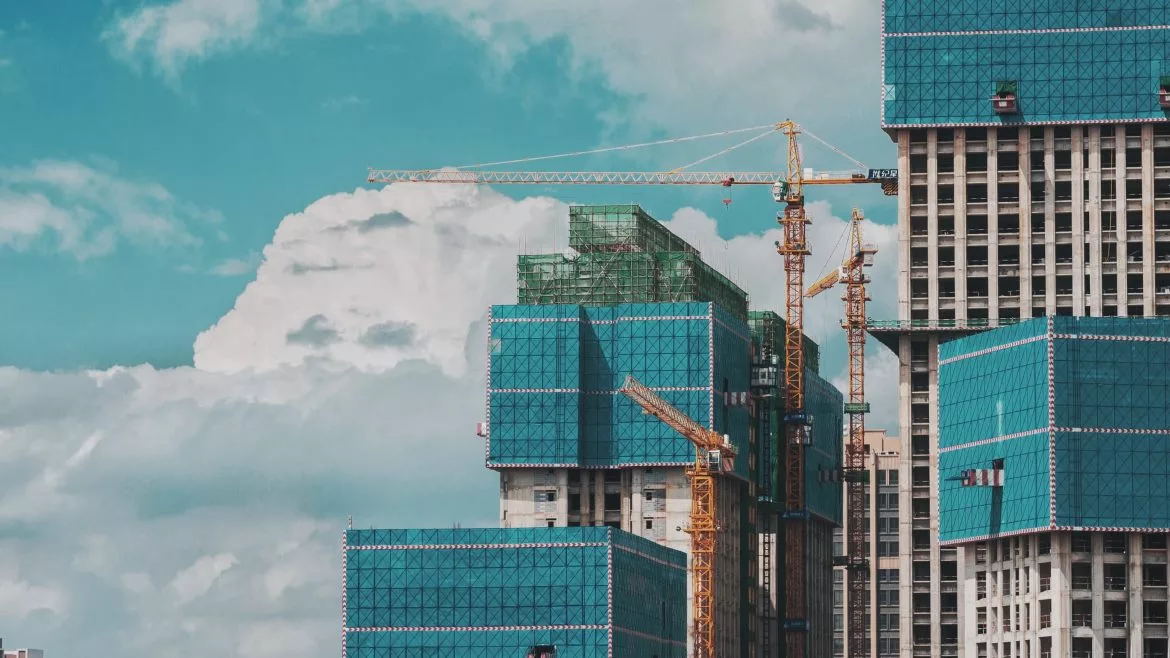
Photo courtesy of author; unsplash
Energy-efficient building is one of the most important trends in construction today. As climate issues grow increasingly prevalent, construction firms face rising pressure to create more eco-friendly buildings. Considering how the industry accounts for 39% of all energy-related CO2 emissions, there’s also significant room to grow.
Going above mandatory energy standards can help companies become more sustainable and attract eco-conscious clientele. While the benefits of this pursuit are clear, how to exceed energy standards is less so. Building information modeling (BIM) can help.
Meet Mandatory Energy Standards
The first step in energy-efficient building is to ensure projects meet minimum energy standards. That’s not necessarily an issue for most construction teams, as they’re likely deeply familiar with these mandatory regulations. However, BIM can make complying with these standards a more efficient process.
While firms may be able to design regulation-compliant buildings without any help, BIM makes it easier to visualize a project’s energy consumption. Architects can use built-in data analytics tools to quickly gain insight and double-check their design choices. That way, they can create energy-efficient designs far faster.
BIM then makes it easier to hand any necessary data over to regulatory bodies. Since BIM provides a digital, easily shareable, and comprehensive data set, teams can use it to verify their building’s energy usage without any delays or complications.
Attain Additional Energy Certifications
BIM has potential far beyond meeting mandatory energy standards, too. If construction companies want to make the most of the rising sustainability trend, they need to prove their projects more energy-efficient than standard options. The most straightforward way to do so is to attain additional energy certifications.
The Leadership in Energy and Environmental Design (LEED) program outlines four certification levels projects can meet to verify their energy-efficient buildings. Other programs like Energy Star and the 2030 Challenge can serve a similar purpose. Gaining certification under these frameworks will help communicate to potential clients how sustainable a company can be.
Here’s a closer look at how BIM can guide teams to attain these certifications.
Model Energy-Efficient Design Changes
One of the biggest advantages of BIM in energy-efficient building is its capability to model how various changes will affect energy. After designing a section, users can run simulations to see how much power they’d consume. These analytics can even account for factors like natural light and the building’s geographic position.
Urban developers in Singapore have achieved considerable success using these features. City planners use these simulations to model airflow and heat gain around planned buildings. They can then modify designs to take advantage of natural heating and air patterns to reduce HVAC energy consumption.
Architects can design several variants in BIM and compare these simulations to see which is the most energy efficient. They can then compare the results to requirements under the desired energy certification to see if a design will be sufficient or if they need to improve.
Visualize Construction-Related Energy Consumption
Some of these additional certifications look at more than just a building’s power consumption. How much energy the construction process expends can also determine whether or not a project meets the requirements. BIM can help in this area, too, by letting users analyze construction workflows.
While BIM is primarily a design tool, it also has workflow analysis tools. That includes visualizing energy usage across construction-related processes. Just as teams can model and simulate how a design change will impact energy efficiency, they can do the same for construction materials and processes.
Building materials and construction are responsible for 11% of global CO2 emissions, so these changes can have a considerable impact. When teams visualize how various choices would impact overall energy efficiency, they can make greener decisions.
Address Other Sustainability Categories
Some environmental standards grade projects according to other sustainability categories, too. For example, LEED certification includes a building’s water and other resource use as well as its power consumption. To meet these standards, construction teams can use BIM solutions to visualize and address their overall sustainability.
Tools like geographic information systems (GIS) can provide the insights necessary for these changes. GIS infrastructure management provides data on pipelines and similar infrastructure, showing where any potential issues may lie. Teams can then address these concerns in the design phase, fixing any ecological issues or inefficiencies.
These other factors may be easy to overlook, but failure to address them can hinder a company from achieving additional certifications. Using BIM to visualize them ensures teams do all they can to improve building sustainability.
Streamline the Construction Process
Visualization and design optimization aren’t the only benefits of BIM in energy-efficient buildings. One of the most oft-cited advantages of BIM is how clash detection features prevent rework. While it may seem unrelated at first, this can improve energy efficiency as well.
Studies have shown that as much as 30% of construction work is rework. Consequently, reducing errors that lead to rework can substantially shorten a project’s completion time. Less time spent on a project means emissions-producing equipment doesn’t run for as long, reducing overall energy consumption.
If teams use BIM to streamline the construction process, they’ll use less energy in this phase. As a result, the project’s total environmental impact will be lower, helping meet higher efficiency standards.
Provide Information for Ongoing Improvements
Finally, after project completion, construction companies can use BIM to provide property owners or managers with more data about the building. Passing these digital models on to these parties gives them more insight for any future maintenance to maintain or improve energy efficiency.
Over time, energy-efficient features could deteriorate and new, improved options could emerge. Equipping property managers with the tools to address these concerns more easily ensures buildings will remain energy-efficient. Without the shareability and transparency of BIM, that may be more complicated.
With ongoing improvements, buildings can achieve higher certifications in the future. That way, projects can be as energy-efficient as possible.
BIM Is Key to Energy-Efficient Building
Constructing energy-efficient buildings is a complicated undertaking. Applying BIM to the process makes it far easier, helping construction companies achieve additional green certification.
As firms build more LEED, Energy Star, or 2030 Challenge-certified projects, they’ll impress increasingly eco-conscious clients. They’ll reduce their impact on the environment and ensure long-term success.