Creating Healthier Indoor Environments Through Innovative Building Materials
Explores how third-party certifications are helping drive more intentional material selection across the built environment
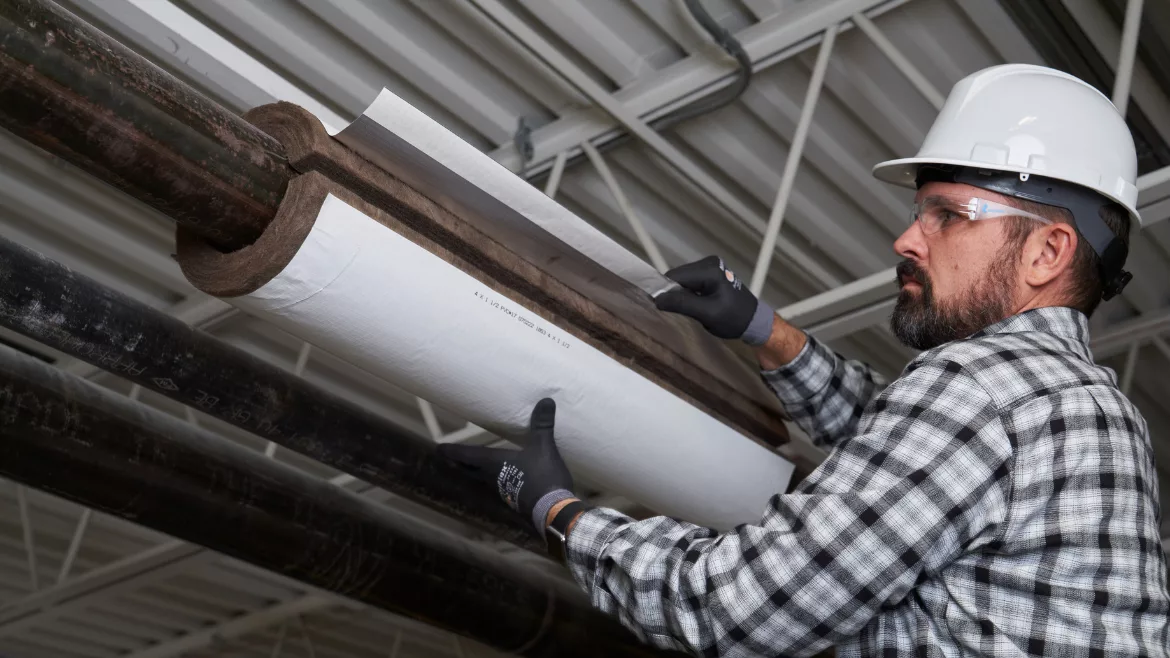
Photo courtesy of Knauf
In today’s rapidly evolving construction industry, where sustainability and occupant health are paramount, the materials chosen for building design and construction can significantly impact both the environment and the well-being of those who occupy these spaces. Today, the demand for materials that contribute to healthier living and working spaces has never been greater, especially as people spend an increasing amount of time indoors.
This article explores how innovations in building materials are reshaping the indoor environment by promoting healthier spaces for both residents and workers. It explores how third-party certifications are helping drive more intentional material selection across the built environment and how collaboration with certification programs supports transparency and trust in product claims.
Building Healthier Indoor Environments Through Human-Centric Innovation
In the rapidly evolving construction industry, the materials chosen for building design and construction play a fundamental role in shaping occupant health. In today’s world, human-conscious design is essential — an approach that emphasizes empathy and problem-solving, placing real people and their context at the heart of design solutions. This mindset has become a cornerstone for addressing challenges in ways that honor both individual needs and the broader environmental context.
Empowering people to create healthier indoor environments means starting with the human. A human-centric approach doesn’t just consider the emotions and needs of the consumer but also the long-term impact of building materials as the inhabited environment evolves. Design thinking and human conscious design have caused a necessary shift in the industry from an engineering focus to a people-centred, healthy, design approach. It forces us ask the question, what is the impact of the product/building on the consumer’s environment and the effect this environment has on health.
This realisation is forcing a paradigm shift, making it clear that it is now time to focus on the impact building materials and products have on our surroundings and the consequent effect this indoor environment has on our health. And while human-centric design prioritizes the well-being of building occupants, ensuring that materials meet rigorous health and environmental standards requires a system of accountability - this is where third-party certifications come into play.
The Role of Third-Party Certification
Third-party certification programs have become increasingly important in ensuring products meet stringent standards. These certification programs provide transparent, science-backed validation that a product meets rigorous standards, offering consumers and builders confidence in the product’s claims.
One such program is the Asthma & Allergy Friendly® Certification Program, a collaborative initiative between Allergy Standards Ltd and Asthma and Allergy Foundation of America (AAFA). This program helps consumers identify products more suitable for people with asthma and allergies. Products are independently tested and proven to help reduce exposure to allergy and asthma triggers and support better indoor air quality. Only products that meet rigorous standards set by the Program earn the Asthma & Allergy Friendly® Certification Mark. Currently, over 200 products in the United States - including air cleaners, air filters, bedding products, cleaning products, flooring, insulation products, laundry products, paint, and vacuum cleaners - carry the Asthma & Allergy Friendly® Certification Mark, demonstrating the program’s broad impact across both consumer goods and the built environment.
As the built environment focuses more and more on the effect the indoor environment has on our health, the partnerships between building manufacturers and third-party certification programs like the Asthma & Allergy Friendly® Certification Program have become key in shaping the future of building materials. These collaborations not only ensures transparency and accountability but also drives the industry toward more sustainable and health-conscious solutions and innovation.
The combination of scientific standards and design thinking is powerful. By empathizing with the building occupier and applying scientific tests to ensure high product standards and performance, manufacturers can deliver healthier, more sustainable solutions for the built environment. Certifications like Asthma & Allergy Friendly® empower both builders and consumers to make informed, health-conscious choices that will improve the long-term quality of life for all occupants.
Collaboration for Healthier Spaces
The benefits of collaboration extend beyond just product validation. For manufacturers, partnering with certification programs brings several key advantages:
- Increased Visibility and Conversions: Certification drives significant website traffic and inquiries, offering manufacturers a broader reach.
- Wider Adoption in Key Markets: Products with third-party certifications help secure projects with educational and government institutions, whose health-focused mandates align with the certification’s rigorous standards.
- Raising Industry Standards: Certifications contribute to raising the bar for the entire industry, encouraging healthier materials and better practices.
- Recognized Innovation: Products that earn industry recognition, gain credibility and help to elevate the standards within the market.
Innovation in Fiberglass Insulation: Knauf’s Performance+® and ECOSE® Technology
One area where this impact is particularly significant is insulation. Because it’s hidden behind walls and out of sight, it can be overlooked — yet insulation plays a crucial role in supporting indoor air quality (IAQ) and the overall health of indoor environments, well beyond its energy efficiency benefits. Poorly selected insulation can lead to increased exposure to airborne allergens, dust, and other particulates, and harmful chemicals, which may exacerbate asthma, allergies, and other respiratory conditions. In contrast, health-conscious insulation products contribute significantly to a healthier indoor environment, and help prevent conditions like sick building syndrome (SBS) and building-related illnesses (BRI).
Knauf North America’s collaboration with Allergy Standards Ltd (ASL) for the Asthma & Allergy Friendly® certification is an example of how partnerships with third-party organizations ensures a product's performance and aligns with any promises or scientific claims. The certification of insulation involves thorough scientific testing to assess compliance with airborne dust, particle, and fiber limits following installation and room disturbance, VOC emission levels, resistance to fungal growth, and presence of allergenic or sensitizing chemicals.
Knauf Insulation's dedication to innovation is exemplified by their development of ECOSE® Technology, the first formaldehyde-free binder for fiberglass products introduced in 2008. This bio-based binder replaces traditional phenol-formaldehyde binders, resulting in insulation materials that enhance indoor air quality and occupant wellbeing, and reduce environmental impact. The transition to bio-based binders was so significant that other fiberglass manufacturers followed suit, thus leading change in the industry.
Knauf Performance+® fiberglass insulation, manufactured using ECOSE® Technology, is engineered to deliver superior thermal, acoustical, and air quality performance in residential and commercial buildings. Its high R-value and precision fit ensure optimal energy efficiency, while its low dust and low VOC formulation support healthier indoor air. This combination of performance and health-conscious design makes it a standout solution for modern building standards.
Over the past year, Knauf has expanded its Performance+® portfolio to meet the growing demand for healthier building solutions. The addition of pipe and tank insulation in April 2025 complements the existing HVAC and residential offerings, making Performance+ an ideal choice for a wide range of building applications.
Knauf has adopted a portfolio approach to certification of its Performance+ products, offering both Certified Asthma & Allergy Friendly® residential and commercial products, demonstrating its continued commitment to improving indoor air quality across all environments - from commercial workplaces to educational facilities to homes.
As Linda McGovern, VP of Marketing and Customer Experience at Knauf North America, explains,
“Our commitment to indoor air quality and sustainability continues to drive innovation at Knauf. With Performance+®, we are raising the bar for insulation and setting a new industry standard that contributes to healthier, safer building environments. From using sustainable materials to pursuing third-party validations like Asthma & Allergy Friendly® Certification, Knauf prioritizes occupant health as a core outcome of its innovation strategy.”
Recognizing Industry Leadership: Knauf’s NAHB Global Innovation Award
Knauf’s dedication to innovation and health-conscious design was recently recognized with the NAHB Global Innovation Award, presented at the prestigious Nationals awards gala during the International Builders’ Show. This award highlights products that set new standards for sustainability, innovation, and occupant well-being.
The Asthma & Allergy Friendly® Certification played a pivotal role in Knauf Insulation receiving the NAHB award by validating Knauf’s ongoing commitment to healthier indoor environments.
Linda McGovern emphasized the significance of the award:
“This incredible honor underscores our commitment to setting a higher standard for fiberglass insulation and supporting healthier living environments. We’re proud to introduce insulation solutions that not only enhance energy efficiency but also contribute to the well-being of occupants and installers.”
The award is particularly meaningful in the context of growing consumer awareness about indoor air quality and the increasing demand for products that prioritize health and demonstrates how the future of insulation and building materials lies in innovations that balance performance, sustainability, and health.
Knauf’s recognition with the NAHB Global Innovation Award highlighted the company's commitment to pushing the boundaries of innovation in insulation, setting a new standard for sustainable and health-conscious building materials. Knauf has said that it has a robust roadmap for expanding its Certified Asthma & Allergy Friendly® product offerings to meet the rising consumer demand for healthier and more sustainable building materials.
Conclusion: A Commitment to Healthier Choices
As the demand for healthier building materials rises, the collaboration between manufacturers, certification programs, and design professionals will be essential in shaping a future where both environmental sustainability and occupant health are prioritized. Every decision made in building design, construction, and maintenance impacts the environment we live in and directly influences our well-being.
Third-party certifications like the Asthma & Allergy Friendly® Certification Program are essential tools that empower both builders and consumers to make informed, health-conscious choices. These certifications provide the transparency and validation necessary to ensure that products meet rigorous health and environmental standards, allowing stakeholders to confidently select materials that not only perform well but also support long-term health and well-being.
By embracing human-centric design principles and aligning with trusted certifications, companies like Knauf are leading the way in creating healthier, more sustainable indoor environments. As the industry continues to evolve, it is clear that the future of building materials lies in innovations that balance performance, sustainability, and occupant health, ensuring that the spaces we live and work in truly nurture our quality of life.
Looking for a reprint of this article?
From high-res PDFs to custom plaques, order your copy today!
.webp?height=740&t=1767036885&width=auto "Header - BE 1170x658 (002).png")

.webp?height=740&t=1755781744&width=auto "KEE(2).png")
.webp?height=200&t=1782473009&width=200 "insulation(16).png")

.webp?height=200&t=1778247230&width=200 "insulation(11).png")

