Building Enclosure logo
search
cart
facebook twitter linkedin youtube instagram Spotify Podcasts Apple Podcasts Spotify Podcasts Apple Podcasts
  • Sign In
  • Create Account
  • Sign Out
  • My Account
Building Enclosure logo
  • NEWS
    • Breaking News
  • SECTIONS
    • Columns
    • Project Profiles
    • Trade Shows
    • Sponsor Insights
  • SYSTEM DESIGNS
    • Low-Slope Roofs
    • Pitched Roofs
    • Metal Roofing Materials
    • Waterproofing
    • Sustainability
    • Insulation
    • Exterior Claddings
    • Wall Systems
    • Building Envelope
  • BLOG
    • The BE Blog
  • MEDIA
    • Podcasts
    • Webinars
    • Quiz
    • Videos
    • Polls
    • Interactive Spotlights
    • Newsletter
    • Photo Galleries
  • DIRECTORIES
    • Directory: Blue Book
    • Directory: Roofing Resource
  • PRODUCTS
  • TECHNICAL
    • Codes
      • Waterproofing
      • Roofing
    • Details
      • Waterproofing
      • Roofing
  • CONTINUING ED
  • ABOUT
    • Advertise
      • Editorial Calendar
    • Contact
    • eMag Archive Issues
  • SIGN UP!
Breaking News

New Study: Building Collisions Kill Over 1 Billion Birds Annually in U.S.

bird friendly glass

A Black-throated Green Warbler found in a stunned state after colliding with a window. Photo by Kaitlyn Parkins.

August 19, 2024

A groundbreaking research study published in PLOS ONE has uncovered alarming new evidence that building collisions are killing significantly more birds than previously estimated—well over one billion annually in the United States alone.

The research, conducted by scientists at American Bird Conservancy (ABC), Fordham University, NYC Bird Alliance, and Stony Brook University examined outcomes for over 3,000 birds injured in building collisions and brought to rehabilitators across multiple states. Their findings uncovered that only 40 percent of birds with injuries from collisions survive, even with the highest standards of wildlife rehabilitator care, suggesting that current mortality estimates based solely on birds found dead at collision sites vastly undercount the true toll.

"Even under the best care conditions provided by wildlife rehabilitators, 60 percent of collision victims ultimately died from their injuries," said lead author Ar Kornreich of Fordham University. "This indicates that birds who appear stunned or fly away after a collision are far more likely to die than previously thought."

Previous research estimated between 365 million and 988 million birds die annually from building collisions in the U.S. However, today’s research findings suggest that even this upper estimate falls short of the true impact. By factoring in the high mortality rate of birds that initially survive collision but later die from their injuries, this new study pushes the estimated death toll well beyond the one billion mark.

"Bird populations across the globe are in steep decline, in part due to collisions with buildings,” added co-author Dustin Partridge, PhD, of NYC Bird Alliance, formerly NYC Audubon. "Unfortunately, our work shows population-level declines are not something we can fix with rehabilitation. If we don’t address artificial light and glass, we’ll continue to lose over a billion birds in the U.S. annually — a toll our ecosystems can’t sustain.”

This study not only sheds light on the magnitude of the problem but also points to potential solutions. By implementing bird-friendly design in new construction and retrofitting existing buildings, building owners can significantly reduce bird collisions. Additionally, reducing artificial light at night can help mitigate the disorienting effect on night-migrating birds, further preventing collisions and concentrations of birds in human dominated landscapes.

“Birds generally cannot see or recognize glass. When they see vegetation or the sky reflected in windows, they perceive it as habitat and do not know there’s a barrier in the way that they cannot fly through,” added senior author Kaitlyn Parkins of ABC. “The good news is, people can help. For existing buildings and homes, the easiest fix is to add inexpensive, commercially available bird-safe window treatments such as those tested by ABC.”

The study's findings paint a grim picture of the challenges faced by birds and the need for solutions to be adopted by building owners, especially during the peak of fall and spring migration. Most birds brought to rehabilitation centers due to window collisions that later died were found to be otherwise healthy, underscoring the indiscriminate nature of this threat. Birds that are stunned by window collisions often are in treatment for at least a day before dying, demonstrating the gradual lethality of window collisions. Unseen injuries such as bruising, eye ulcers, and fractures prevent them from continuing their annual migratory journeys.

"We've all witnessed birds collide with buildings, shake it off, and fly away,” said co-author Mason Youngblood, PhD, of Stony Brook University. “It's natural to assume that these birds survive, but our research reveals a stark reality — most of these birds die shortly after. This sobering finding demonstrates the importance of using statistical analyses to shape urban conservation policy." 

“As a licensed wildlife rehabber myself, I know the critical role rehabilitation centers play in improving the lives of individual birds and communicating the needs of wildlife,” added Kornreich. “But to reverse alarming declines in bird populations and protect biodiversity, we need collaboration with researchers, policymakers, and the public to address this critical conservation issue.”  


Reference:

Ar Kornreich, Dustin Partridge, Mason Youngblood, and Kaitlyn Parkins. “Rehabilitation outcomes of bird-building collision victims in the Northeastern United States.” PLOS ONE. 2024. 


More Information:

American Bird Conservancy’s Glass Collision Prevention program

NYC Bird Alliance’s Project Safe Flight collisions research 

NYC Bird Alliance’s Lights Out advocacy
KEYWORDS: bird deterrent glass

Share This Story

Looking for a reprint of this article?
From high-res PDFs to custom plaques, order your copy today!


Recommended Content

JOIN TODAY
to unlock your recommendations.

Already have an account? Sign In

  • bar graph shows LEED v4/LEED v5/LEED v6 in various colors

    When Will LEED v4 / v4.1 and LEED v5 Expire?

    The latest version of the LEED rating system, LEED v5, is...
    Sustainability
    By: Daniel Overbey
  • Celebrating Women In AEC-2026

    Celebrating Women in The AEC Industry Part 1

    A round-up of women in the design, engineering and...
    Sustainability
    By: Lindsay Lewis
  • KEE membrane application on a roof

    A Beginner’s Guide to Single-Ply Roofing Membranes

    While PVC and TPO appear extremely similar, the chemistry...
    Low-Slope Roofs
    By: Peter Gross
Manage My Account
  • Sign up for the Newsletter
  • Online Registration
  • Manage My Preferences
  • Registration Customer Service

More Videos

Sponsored Content

Sponsored Content is a special paid section where industry companies provide high quality, objective, non-commercial content around topics of interest to the Building Enclosure audience. All Sponsored Content is supplied by the advertising company and any opinions expressed in this article are those of the author and not necessarily reflect the views of Building Enclosure or its parent company, BNP Media. Interested in participating in our Sponsored Content section? Contact your local rep!

close
  • 2 construction workers and a DEXcell panel
    Sponsored byDEXcell Roof Boards

    Designing Low-Slope Roofs for Resilience

  • Bell Bank headquarters in Fargo, North Dakota
    Sponsored bySto Corp.

    Drained and Back-Ventilated Rainscreens vs Pressurized-Equalized Rainscreens

  • A construction worker using DEXcell roof boards
    Sponsored byDEXcell Roof Boards

    The Hidden Strength of Low-Slope Roof Systems: Why Roof Cover Boards Matter

Popular Stories

construction industry workers in hard hats stand around a city scape

Construction Industry Revolts Over New CSI Licensing Plan

Canalino Elementary School and Canalino Family School exterior

Daylighting Design to Support Rapidly Growing Trend in Modular Building Construction

construction workers on a roof, plane flies in background

Why Specifications Are Becoming the Next Critical Layer of Construction Compliance

Building Enclosure Newsletter

BE Poll

Events

June 17, 2025

Addressing Condensation in Low-Slope Roof Assemblies

Credits: 1 AIA LU/HSW; 0.1 ICC CEU; 1 IIBEC CEH; 0.1 IACET CEU

On Demand In modern roofing systems, vapor retarders and air barriers do more than just minimize air leakage—they’re essential to maximizing performance and longevity. This engaging course dives into the next generation of moisture control: permeable vapor retarders and air barriers. Discover how these cutting-edge technologies are transforming low-slope roofing assemblies by improving energy efficiency, managing moisture, and boosting wind uplift resistance.

April 9, 2026

Strategies for High-Performance Below-Grade Waterproofing

Credits: 1 AIA LU/HSW ; 1 IIBEC CEH; 0.1 IACET CEU

On-Demand Designing a high-performance building enclosure requires more than just surface-level protection; it demands a rigorous, performance-based mastery of below-grade water and gas mitigation. This discussion will provide an expert-level analysis of below-grade waterproofing within the comprehensive framework of the high-performance building enclosure.

View All Submit An Event

Products

Plaster and Drywall Assemblies Manual

Plaster and Drywall Assemblies Manual

This is a comprehensive manual that goes beyond codes and standards, providing expert guidance in design, detailing, material selection and troubleshooting for plaster and drywall.

See More Products

Related Articles

  • First Net-Zero Public Safety Building in U.S.

    See More
  • The American Institute of Architects logo

    AIA Applauds Re-Introduction of Democracy in Design Act in U.S. Senate

    See More
  • VIT_McDonaldsFlagship_Photo.jpg

    Glass Highlights First Net-Zero Fast Food Eatery in U.S.

    See More

Related Products

See More Products
  • interior design.jpg

    Building Systems in Interior Design

  • ecology.jpg

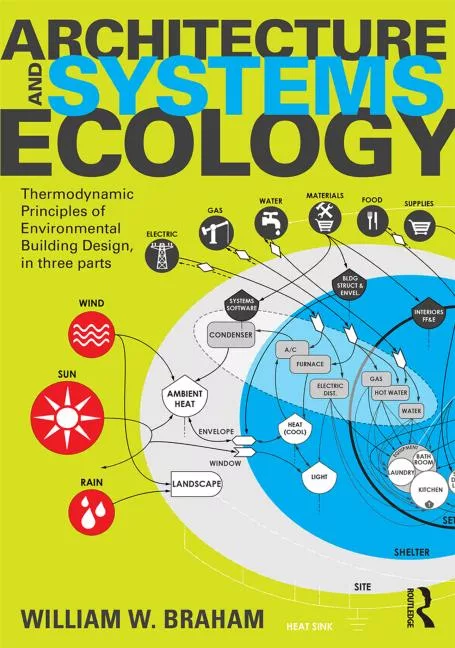
    Architecture and Systems Ecology: Thermodynamic Principles of Environmental Building Design, in three parts

  • energy modeling.jpg

    Energy Modeling and Computations in the Building Envelope

See More Products
×

Enhance your expertise with unparalleled insights.

Join thousands of building professionals today. Shouldn’t you know what they know?

SUBSCRIBE TODAY!
  • RESOURCES
    • Advertise
    • Contact Us
    • Store
    • Want More
  • SIGN UP TODAY
    • Create Account
    • Newsletter
    • Customer Service
    • Manage Preferences
  • SERVICES
    • Marketing Services
    • Reprints
    • Market Research
    • List Rental
    • Survey/Respondent Access
  • STAY CONNECTED
    • LinkedIn
    • Facebook
    • Instagram
    • YouTube
    • X
  • PRIVACY
    • PRIVACY POLICY
    • TERMS & CONDITIONS
    • DO NOT SELL MY PERSONAL INFORMATION
    • PRIVACY REQUEST
    • ACCESSIBILITY

Copyright ©2026. All Rights Reserved BNP Media, Inc. and BNP Media II, LLC.

Design, CMS, Hosting & Web Development :: ePublishing