Advances in Asphalt Roofing Technology
From technology and durability to worker safety and environmental consciousness, asphalt roofing systems advanced significantly over the past three decades
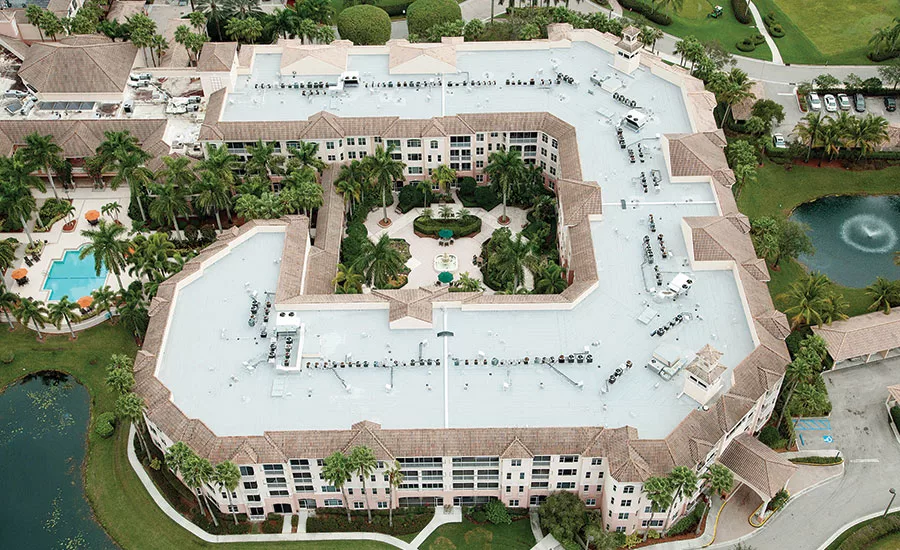
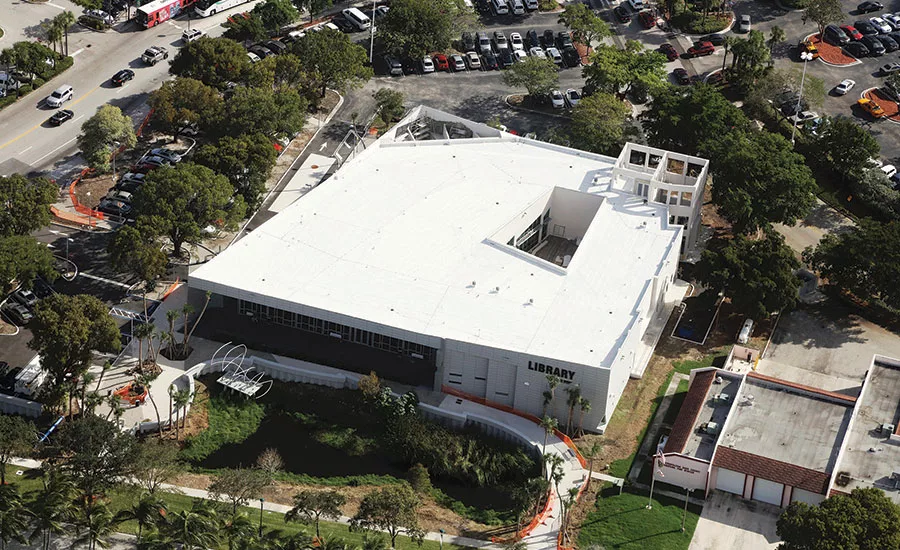
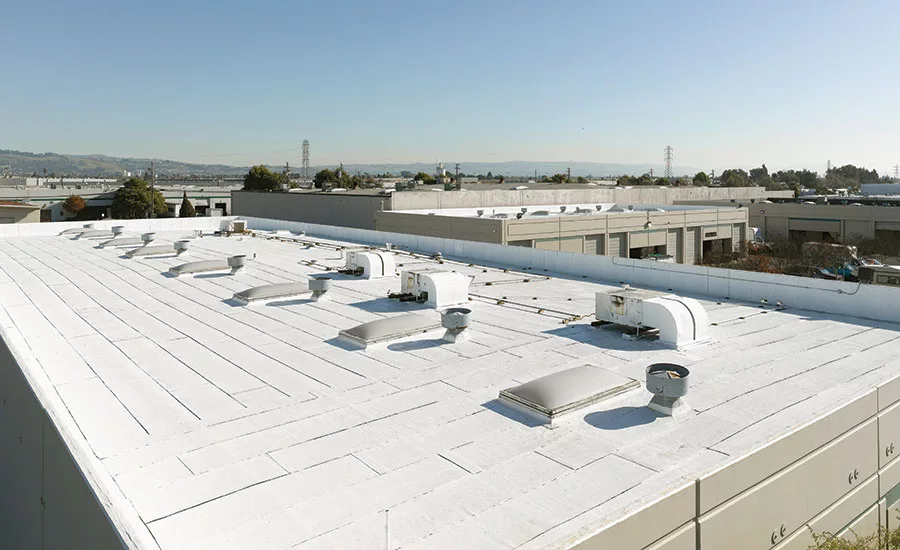
In recognition of Roofing Contractor’s 35th anniversary, the Asphalt Roofing Manufacturers Association (ARMA) would like to highlight how asphalt roofing systems have advanced significantly over that same period of time.
Over the last three to four decades, asphalt roofing systems have made great advances, from technology and durability to worker safety and environmental consciousness. With the introduction of single-ply roof systems in the United States in the 1970s, the asphalt roofing industry didn’t rest on its laurels; it was progressive and continued to innovate, as it continues to do today. Individual components of bituminous roof systems such as asphalt, reinforcements, surfacings, and attachment methods have advanced. And, unquestionably, there have been many full-system enhancements in fire-, wind- and impact-resistance.
Component Advancements
From the late 1890s into the 1960s, there was essentially only one type of asphalt used in roofing — oxidized asphalt. While oxidized asphalt continued to perform well for decades, many more options are now available. Low-fuming asphalts and low-odor asphalt with increased equiviscous temperature (EVT) and flashpoints have increased the options for specifiers and installers. Today’s oxidized asphalt is now more “engineered.” There are four types available, each with different characteristics such as softening point, hardness, ductility and EVT. There are more choices to allow asphalt types to be appropriately selected for different aspects of a roofing project, such as flashings, vapor retarders and adhesives.
And of course, the biggest technological advancement was the advent of polymer modified bitumen in the early 1970s, leading to asphalt with the same elastomeric qualities as the synthetic membranes introduced in that time period.
Asphalt is physically and chemically modified by polymers such as atactic polypropylene, styrene butadiene styrene, and styrene ethylene butylene styrene for use in modified bitumen membranes and built-up roofing (BUR) systems. There are now cold-applied asphalts/mastics (in addition to the original hot-applied asphalts) used for BUR and modified bitumen membranes. There are also self-adhered membranes used for steep-slope underlayments and for ply sheets, and modified bitumen sheets used in low-slope applications. Cold-applied and self-adhered technologies require no kettle, no flame, and can be solvent-free. This is an advancement in worker and building occupant safety, as well as in environmental health.
Since the turn of the 20th century, reinforcements for BUR systems have evolved from naturally occurring mineral fibers to rag and paper felts to, beginning in the 1970s, fiberglass mats. With the advancement of glass fiber as well as polyester mat technology, asphalt roofing — including shingles, BUR and modified bitumen — moved to a new family of high-performance reinforcements. Fiberglass and polyester are stronger, more durable and more resistant to water damage than their predecessors. In the past decade or so, asphalt shingles have moved to fiberglass mat reinforcements, while modified bitumen membranes encompass the full gamut of reinforcement types and designs.
In certain regions of the U.S., BUR roof systems were surfaced with gravel/rocks. While gravel/rocks are still used to surface BUR today due to their excellent weathering and fire-resistance properties, the surface ply of many BUR systems is a cap sheet surfaced with granules. The cap sheets provide toughness, durability, and redundancy with the added benefit of reduced dead load compared with gravel/rocks.
Modified bitumen membranes use modern surfacing materials that have advanced to improve energy efficiency, reduce urban heat islands and enrich occupants’ comfort. Mineral granules come in a variety of colors that include “cool” infrared reflective colors as well as bright white mineral granules to meet national and regional code requirements for reflectance, emittance and SRI. Certain SBS-modified bitumen sheets are surfaced with foil or laminated films to provide unique surface radiative properties. Modified bitumen membranes may also be coated, either in the factory or in the field, using white- and light-colored coatings to provide reflective surfaces.
System Advancements
Asphalt roof systems are just that — systems comprised of all above-deck components. The components interact to create a system that’s not only water-resistant, but fire-, wind- and impact-resistant.
Hybrid roof systems are now being regularly used. A hybrid asphaltic roof system is the combination of traditional BUR ply sheets and a modified bitumen sheet as the top layer. The combination of a tough, durable modified bitumen sheet with the redundancy of a traditional BUR is a refinement and incremental advancement of traditional BUR systems.
Fire resistance of asphaltic roof systems remains excellent. The long-ago practice of using asphalt to adhere roof components directly to the metal decks hasn’t been allowed for decades. Some type of separation sheet or board is required to significantly reduce the potential for asphalt to contribute fuel to an interior fire. For external fire protection, asphaltic roof systems continue to use multiple layers of fiberglass mats, ballast, cap sheets, special asphaltic blends and coatings to provide required fire resistance.
Wind resistance measures have improved, not only for asphalt-based systems, but for all roofs. In recent decades, structural engineers increased wind loads that roofs are required to resist. This stems from investigations of wind events, especially in hurricane-prone zones, and the development and use of better engineering models. The roofing industry has learned that most wind issues start at corners and roof edges. New test methods have been developed, and codified, in order to measure the improved wind resistance at roof edges. The “ANSI/SPRI ES-1 Wind Design Standard for Edge Systems Used with Low Slope Roof System” significantly advanced the wind resistance of roofing systems. Metal edge component manufacturers are providing well designed products; roofing contractors can fabricate metal edges and copings to resist design wind loads.
Asphalt shingles’ wind resistance has improved in a number of ways as well. Seal strips’ material compounds have increased tenacity, improving uplift resistance of the tabs. As important as the material improvements, the test methods to determine the uplift resistance of shingles have also improved. The asphalt roofing industry spent nearly two decades researching and developing a test method to more accurately calculate the uplift resistance of shingles.
The asphalt roofing industry continues to be the leader in advancing roofing research and technology. Members of trade organizations, including ARMA, are spearheading new technology to address the needs of building owners and roofing professionals alike. Improvements are continuously being made in component and system technology, overall roof durability, worker safety and environmental consciousness. For more information on asphalt roofing systems, visit asphaltroofing.org.
Looking for a reprint of this article?
From high-res PDFs to custom plaques, order your copy today!
.webp?height=740&t=1767036885&width=auto "Header - BE 1170x658 (002).png")

.webp?height=740&t=1755781744&width=auto "KEE(2).png")