Please Take Your Embodied Carbon Conversation Outside
A site hardscape's contribution to a project's total embodied carbon can drastically impact the overall project’s embodied carbon footprint
.webp?t=1745677791)
Image courtesy of author.
A holistic strategy for building decarbonization must include embodied carbon. Such will be required for all LEED buildings moving forward now that LEED v5 has been ratified by the USGBC membership.
Not only does LEED v5 for Building Design and Construction (BD+C) require all teams to quantify and assess the embodied carbon of a building's structure and enclosure, it expands the scope to include the site hardscape.
Every building has a site, which can vary wildly in terms of scale and scope. This means a site hardscape's contribution to a project's total embodied carbon can drastically impact the overall project’s embodied carbon footprint.
Comparison of Three LEED Certified Case Studies
In partnership with my colleague, Brett Schlachter, PLA, ASLA, Urban Designer and Landscape Architect at Browning Day, we examined three recent stand-alone LEED certified projects located in US Midwest to get a better sense of just how much embodied carbon was contributed by the projects' sites compared to the building's structure and closure.
Some basic information about the project areas and the embodied carbon associated with specific scopes is summarized in Figures 1 through 3.
The total embodied carbon of each scope is compared in Figure 4.
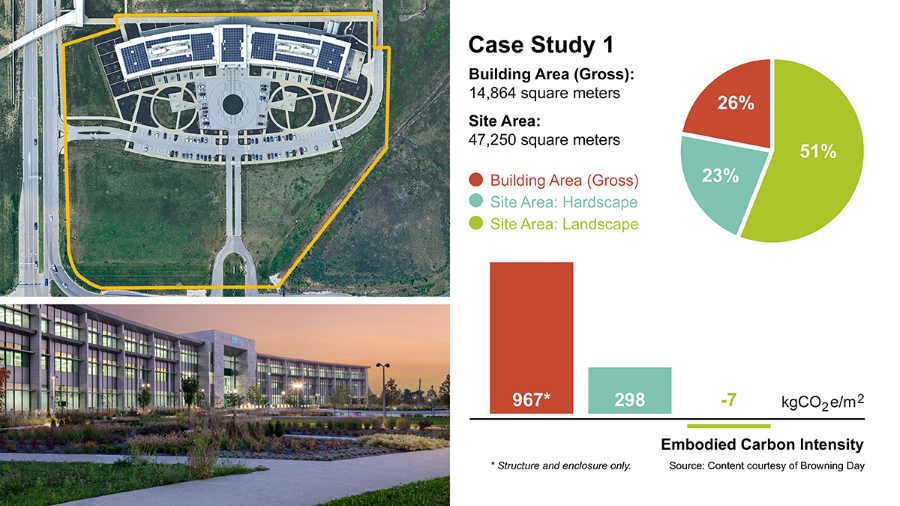 Figure 1: Case study 1 is a commercial office structure in a suburban district.
Information and figure property of Browning Day.
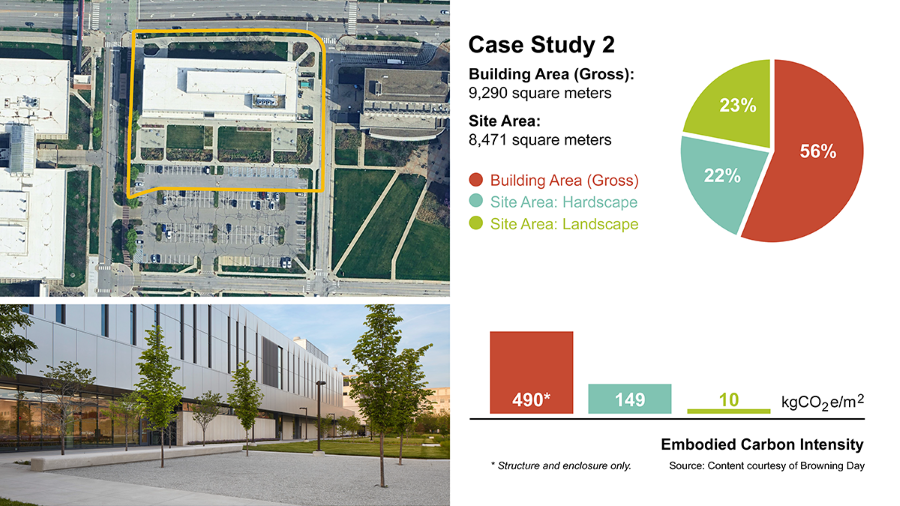 Figure 2: Case study 2 is a university building in a high-density urban district.
Information and figure property of Browning Day.
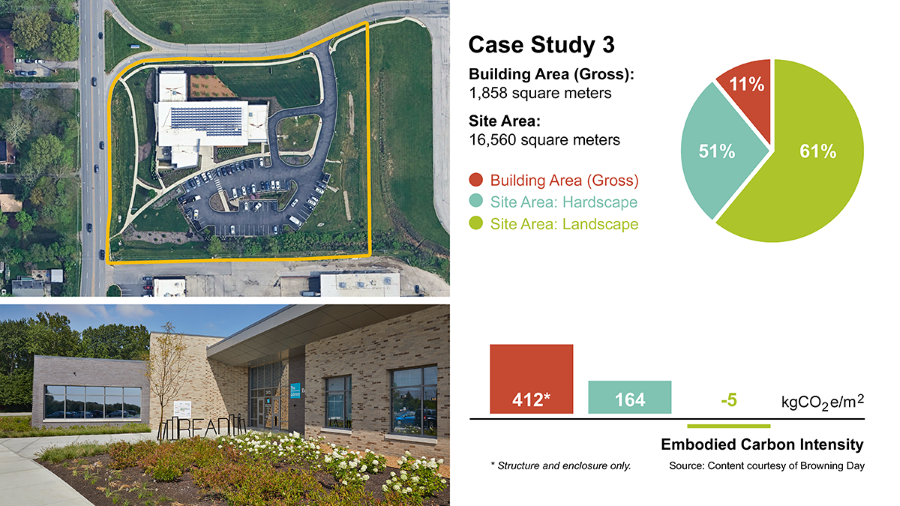 Figure 3: Case study 3 is a branch library in a low-density urban district.
Information and figure property of Browning Day.
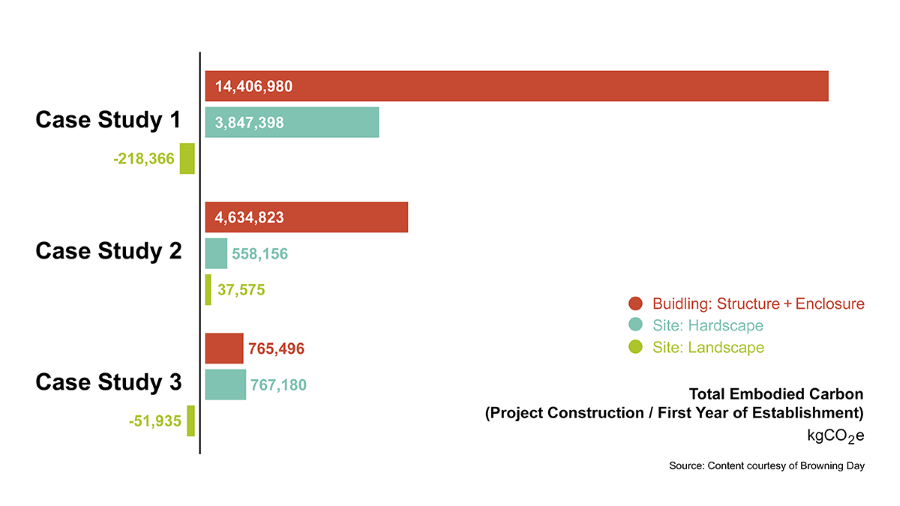 Figure 4: The total embodied carbon of all three case studies are compared.
Information and figure property of Browning Day.
Three Key Takeaways from the Comparison Study
The comparison of the embodied carbon of the building structure, building enclosure, site hardscape, and the landscape revealed three basic takeaways:
a. The site constitutes a significant portion of a project's overall embodied carbon.
Case study 1 is an out-stretched 4-story building on a large site. The configuration of the building design resulted in relatively large embodied carbon intensity. Yet, the site hardscape constituted approximately 21% of the overall assessed embodied carbon (i.e., building structure and enclosure plus site hardscape).
Case study 2 is a compact 4-story building built upon a small site on the edge of a downtown university campus. The site hardscape was determined to be approximately11% of the overall assessed embodied carbon (again, building structure and enclosure plus site hardscape).
Case study 3 is a 1-story branch library, which was optimized to reduce the building's embodied carbon by over 10% compared to its baseline. In terms of embodied carbon intensity, this case study tracks similarly to case study 2 with one notable difference: a much larger proportion of site area versus the building area. As a result, the third case study exhibits nearly an even split of embodied carbon coming from the building and the site hardscape.
b. Site materials can sway results. A lot.
The embodied carbon of hardscape materials vary greatly. Compacted aggregate requires about a 1/10 of the embodied carbon by volume required by concrete paving - which is roughly half of that which is required by natural stone pavers.
This came into play with the case studies. For instance, case study 1 makes wide use of a typical concrete paver system. As per standard, the pavers are set atop a bituminous setting bed, which lines a thick concrete subslab, which has an aggregate base beneath it. The embodied carbon intensity of this assembly is approximately 637.5 kgCO2e/m2. Compare this to case study 2, which features a large amount of crushed stone paving, which sits upon a geotextile fabric and a compacted aggregate base. The embodied carbon was assessed at 49.6 kgCO2e/m2 - a fraction of the concrete paver assembly.
Even vegetation choices can move the needle on embodied carbon due to the site preparation (think "construction") involved. On one case study, installing sod exhibited an embodied carbon intensity of 33.5 kgCO2e/m2, while the native perennials installed elsewhere on site resulted in -24.3 kgCO2e/m2 during the construction timeline due to the sequestration contribution.
c. Optimization opportunities abound with site design.
The comparison study concludes with an optimization exercise. The following opportunities were assessed for all three case studies:
- Case study 1: Swap high-carbon hardscape assemblies for low-carbon options.
- Case study 2: Change vegetation species such that embodied carbon was reduced and sequestration potential is increased.
- Case study 3: Remove inefficient hardscape areas in exchange for additional landscape areas.
As a result, the following was achieved in the study:
- Case study 1: 33% reduction in embodied carbon intensity of the hardscape.
- Case study 2: The site design was optimized such that the modeled 60-year life cycle carbon sequestration per unit area increased 270%.
- Case study 3: 22% reduction in total embodied carbon from the site (hardscape along with landscape sequestration during the construction timeline).
We Must Include Sites in the Life Cycle Carbon Assessment Dialog
The results of this modest, but rigorous, comparison study begin to reveal a story about the important role our sites play with regard to decarbonization of the building sector. The leadership and foresight of the many contributors to the newly ratified LEED v5 should be commended for prompting and challenging project teams to bring our sites into the embodied carbon dialog.
It is time to take our carbon footprint conversation outside.
