Putting Plug and Process Loads in Context
The U.S Department of Energy (DOE) recently issued a determination regarding the latest edition of ANSI/ASHRAE/IES STANDARD 90.1 - Energy Standard for Buildings Except Low-Rise Residential Buildings. The DOE determined that Standard 90.1-2019 will achieve greater energy efficiency in buildings versus the most recent edition of Standard 90.1 from 2016 (DOE 2021).
Specifically, the DOE estimated national savings in commercial buildings of approximately:
- 4.7 percent site energy
- 4.3 percent source energy
- 4.3 percent energy cost
- 4.2 percent carbon emissions
As Figure 1 illustrates, the 2019 edition of Standard 90.1 takes another step toward maintaining the overall trajectory of source and site energy efficiency improvements since the 1989 edition.
|
|
|
Figure 1: ASHRAE Standard 90.1-2019 improves both source and site energy use efficiency by over 46% compared to the 1989 edition of the standard. Figure by Daniel Overbey. |

ASHARE has posted a brief a summary of the changes to the standard. The 2019 edition includes a range of modifications and clarifications to "improve internal consistency and to standardize the structure and language of the document." With new rules in Appendix G for modeling the impact of automatic receptacle controls, among other changes, Standard 90.1-2019 continues to refine the standard to better address plug and process loads.
Growing proportion of plug and process loads
As defined by NREL, plug and process loads (PPLs) are building electrical loads that are not related to lighting, heating, ventilation, cooling, and water heating, and typically do not provide comfort to the occupants. (Sheppy et al. 2013).
PPLs constitute the "other" category that we tend to lump a variety of energy loads into—and with the increase in all of the electrical devices we use in our buildings today, PPLs have quietly become a greater proportion of our buildings' overall energy load.
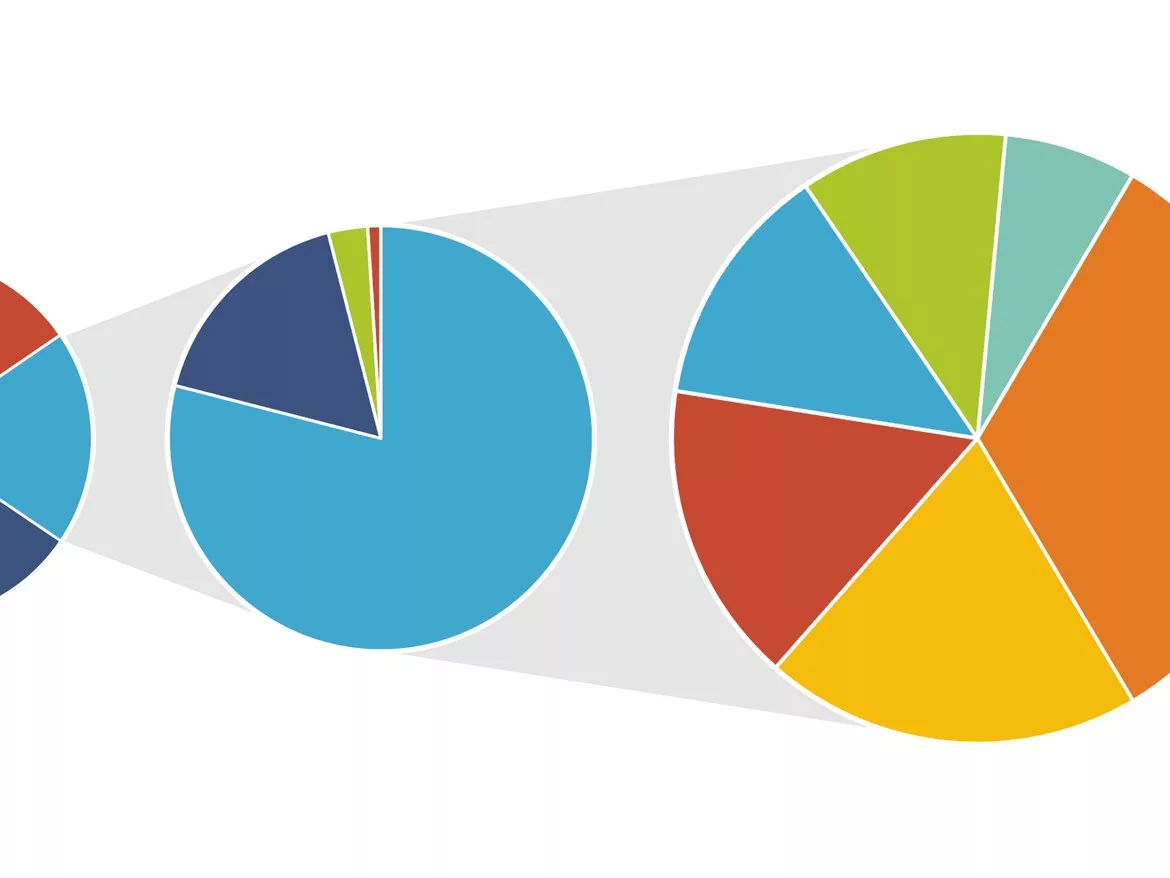
According to NREL, a traditional, minimally code-compliant office building may anticipate plug loads to account for 25 percent or less of its total energy consumption (Lobato et al. 2011). As Figure 2 illustrates, another study found that PPLs may constitute around 33 percent of the total energy consumption in commercial buildings in the US (McKenney et al. 2010).
The DOE expects commercial building energy consumption to increase by 24 percent between 2010 and 2030 with PPL energy consumption growing by 49 percent (DOE 2010). Taking into consideration the reduction in enclosure, lighting, and HVAC-related energy use in high-performance structures, NREL anticipates that PPLs may constitute more than 50 percent of an energy-efficient commercial building's overall energy consumption (Lobato et al. 2011). Over the next decade, PPLs will continue to increase its proportion of energy use in commercial buildings. These trends underscore the importance of PPL energy reduction to achieve an overall goal of reducing whole-building energy consumption.
|
|
|
Figure 2: PPLs account for 33 percent of the total energy consumed by commercial buildings. Adapted from the National Renewable Energy Laboratory technical report, "Assessing and Reducing Plug and Process Loads in Office Buildings" (2013) by Michael Sheppy, Chad Lobato, Shanti Pless, Luigi Gentile Polese, and Paul Torcellini. Figure by Daniel Overbey. |

PPLs are another reason why updated codes matter
The U.S. commercial building stock has added a tremendous amount of technology in the past decade and will continue to add more. ASHRAE Standard 90.1 and other model standards and codes will continue to evolve with our changing technology and economy.
Conversely, older versions of our energy standards and codes fail to provide suitable guidance or minimum requirements to help regulate PPLs. For instance, an energy code more than a decade old will not include requirements that a proportion of receptacles feature either an occupancy sensor or an automatic control device functioning on a time-of-delay. The most recent model standards and codes will offer the best guidance on how to account for PPLs considering the latest trends and technologies.
In this matter, older energy codes are leaving money on the table for building owners through inadequately modeled and grossly unregulated (and increasing) plug and process loads.
DOE. "2010 Buildings Energy Data Book." Washington, DC: U.S. Department of Energy, Office of Energy Efficiency and Renewable Energy, Tech Rep. 2010.
DOE; "Final Determination Regarding Energy Efficiency Improvements in ANSI/ASHRAE/IES Standard 90.1-2019." Washington, DC: U.S. Department of Energy, Office of Energy Efficiency and Renewable Energy, Tech. Rep. EERE–2020–BT–DET–0017, 2021.
Lobato, C.; Pless, S.; Sheppy, M.; and Torcellini P.; “Reducing plug and process loads for a large scale, low energy office building: NREL’s research support facility,” National Renewable Energy Laboratory, Tech. Rep. NREL/CP-5500-49002, 2011.
McKenney, K.; Guernsey, M.; Ponoum, R.; Rosenfeld, J.; "Commercial Miscellaneous Electric Loads: Energy Consumption Characterization and Savings Potential in 2008 by Building Type." Lexington, MA: TIAX LLC. 2010.
Sheppy, M.; Lobato, C.; Pless, S.; Gentile Polese, L.; and Torcellini, P; "Assessing and Reducing Plug and Process Loads in Office Buildings." National Renewable Energy Laboratory, Tech. Rep. NREL/FS-5500-54175, 2013.
The U.S Department of Energy (DOE) recently issued a determination regarding the latest edition of ANSI/ASHRAE/IES STANDARD 90.1 - Energy Standard for Buildings Except Low-Rise Residential Buildings. The DOE determined that Standard 90.1-2019 will achieve greater energy efficiency in buildings versus the most recent edition of Standard 90.1 from 2016 (DOE 2021).
Specifically, the DOE estimated national savings in commercial buildings of approximately:
- 4.7 percent site energy
- 4.3 percent source energy
- 4.3 percent energy cost
- 4.2 percent carbon emissions
As Figure 1 illustrates, the 2019 edition of Standard 90.1 takes another step toward maintaining the overall trajectory of source and site energy efficiency improvements since the 1989 edition.
|
|
|
Figure 1: ASHRAE Standard 90.1-2019 improves both source and site energy use efficiency by over 46% compared to the 1989 edition of the standard. Figure by Daniel Overbey. |
ASHARE has posted a brief a summary of the changes to the standard. The 2019 edition includes a range of modifications and clarifications to "improve internal consistency and to standardize the structure and language of the document." With new rules in Appendix G for modeling the impact of automatic receptacle controls, among other changes, Standard 90.1-2019 continues to refine the standard to better address plug and process loads.
Growing proportion of plug and process loads
As defined by NREL, plug and process loads (PPLs) are building electrical loads that are not related to lighting, heating, ventilation, cooling, and water heating, and typically do not provide comfort to the occupants. (Sheppy et al. 2013).
PPLs constitute the "other" category that we tend to lump a variety of energy loads into—and with the increase in all of the electrical devices we use in our buildings today, PPLs have quietly become a greater proportion of our buildings' overall energy load.
According to NREL, a traditional, minimally code-compliant office building may anticipate plug loads to account for 25 percent or less of its total energy consumption (Lobato et al. 2011). As Figure 2 illustrates, another study found that PPLs may constitute around 33 percent of the total energy consumption in commercial buildings in the US (McKenney et al. 2010).
The DOE expects commercial building energy consumption to increase by 24 percent between 2010 and 2030 with PPL energy consumption growing by 49 percent (DOE 2010). Taking into consideration the reduction in enclosure, lighting, and HVAC-related energy use in high-performance structures, NREL anticipates that PPLs may constitute more than 50 percent of an energy-efficient commercial building's overall energy consumption (Lobato et al. 2011). Over the next decade, PPLs will continue to increase its proportion of energy use in commercial buildings. These trends underscore the importance of PPL energy reduction to achieve an overall goal of reducing whole-building energy consumption.
|
|
|
Figure 2: PPLs account for 33 percent of the total energy consumed by commercial buildings. Adapted from the National Renewable Energy Laboratory technical report, "Assessing and Reducing Plug and Process Loads in Office Buildings" (2013) by Michael Sheppy, Chad Lobato, Shanti Pless, Luigi Gentile Polese, and Paul Torcellini. Figure by Daniel Overbey. |
PPLs are another reason why updated codes matter
The U.S. commercial building stock has added a tremendous amount of technology in the past decade and will continue to add more. ASHRAE Standard 90.1 and other model standards and codes will continue to evolve with our changing technology and economy.
Conversely, older versions of our energy standards and codes fail to provide suitable guidance or minimum requirements to help regulate PPLs. For instance, an energy code more than a decade old will not include requirements that a proportion of receptacles feature either an occupancy sensor or an automatic control device functioning on a time-of-delay. The most recent model standards and codes will offer the best guidance on how to account for PPLs considering the latest trends and technologies.
In this matter, older energy codes are leaving money on the table for building owners through inadequately modeled and grossly unregulated (and increasing) plug and process loads.
DOE. "2010 Buildings Energy Data Book." Washington, DC: U.S. Department of Energy, Office of Energy Efficiency and Renewable Energy, Tech Rep. 2010.
DOE; "Final Determination Regarding Energy Efficiency Improvements in ANSI/ASHRAE/IES Standard 90.1-2019." Washington, DC: U.S. Department of Energy, Office of Energy Efficiency and Renewable Energy, Tech. Rep. EERE–2020–BT–DET–0017, 2021.
Lobato, C.; Pless, S.; Sheppy, M.; and Torcellini P.; “Reducing plug and process loads for a large scale, low energy office building: NREL’s research support facility,” National Renewable Energy Laboratory, Tech. Rep. NREL/CP-5500-49002, 2011.
McKenney, K.; Guernsey, M.; Ponoum, R.; Rosenfeld, J.; "Commercial Miscellaneous Electric Loads: Energy Consumption Characterization and Savings Potential in 2008 by Building Type." Lexington, MA: TIAX LLC. 2010.
Sheppy, M.; Lobato, C.; Pless, S.; Gentile Polese, L.; and Torcellini, P; "Assessing and Reducing Plug and Process Loads in Office Buildings." National Renewable Energy Laboratory, Tech. Rep. NREL/FS-5500-54175, 2013.
