How to Achieve Energy Efficiency in Colder Climates
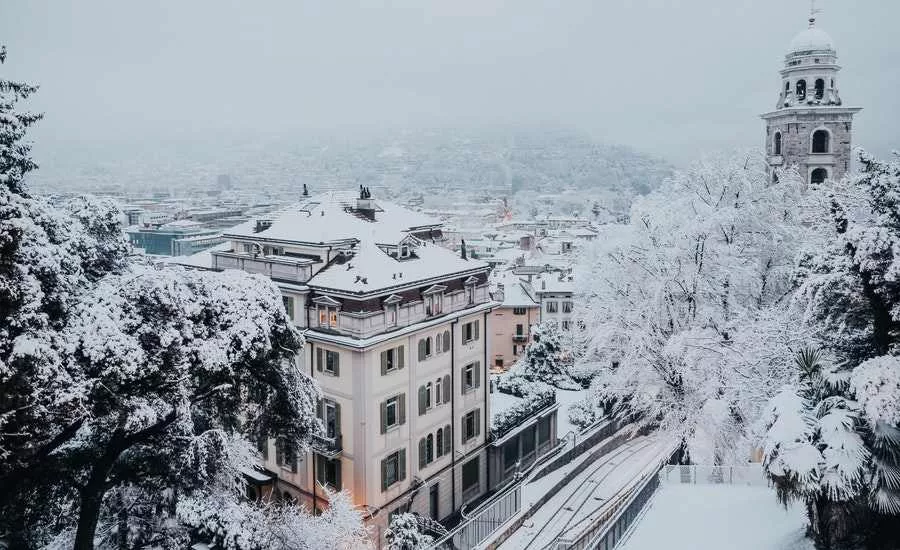
During the winter, especially in colder climates, it can be a challenge to achieve energy efficiency. It takes a combination of intentional design, building envelope maintenance and effective materials to minimize heat loss in commercial buildings.
Fortunately, builders and architects have developed some tried and true techniques to promote energy efficiency in frigid climates. Here are some ideas for accomplishing this timely task.
Optimized Roofing
There are several variables by which the shape of a building can help with energy efficiency. Factors such as the building height, gradient, and roof type all affect energy performance. By optimizing just one aspect of a building—in this case, roofing—energy efficiency can be achieved.
Two ways in which roofing can be further optimized are through sloped roofing and color.
Sloped or Gradient Roofs
Many homes already have sloped roofs. However, commercial or industrial buildings like schools or skyscrapers tend to have flat roofs. In colder climates, snowfall is highly likely. What happens when a region gets a couple feet of snow and a building has a flat roof? The snow is going to stay on the building.
Heavy snowfalls can impact the energy efficiency of a building. And if the snowfall is heavy enough on a roof with nowhere to go, a faulty roof could crack or leak under pressure, allowing heat to escape and the cold air to enter. A slightly sloped roof allows snow to melt off of the roof without causing damage.
Roof Color
Roof color also affects energy efficiency. Different pigments absorb different amounts of heat. Buildings in colder climates will absorb more heat if their roofing colors are darker. Lighter colors tend to absorb less heat.
People in warmer climates tend to choose white roofing. It’s a greener option because the white reflects the sunlight, improving the building’s energy efficiency.
However, in colder climates, darker roofs will help achieve energy efficiency. The dark roof will pull in the heat from the sun even on a cold day and distribute it throughout a building. Plus, the heat will help the snow melt.
Passive Solar Design
The sun is a crucial element when it comes to achieving energy efficiency. A building design that allows for passive solar exposure is going to be more efficient.
Passive solar design means that the sun will heat a building by the way it is designed, and no extra energy will be used. This is important for constructing a building in a colder region.
There are a couple of different methods to design a building that absorbs or lets in the sun without using extra energy, like orienting the building to coincide with the rising morning sun.
Building Material
For colder climates, building materials with a high specific heat capacity will work best for energy efficiency. Specific heat capacity is how much heat a material can store for every kilogram it weighs. The higher it is, the more heat it can hold, which means that in colder climates, a material can absorb heat from the sun and store it to heat the building.
The following materials are great for passive solar heat:
- Metal
- Asphalt roofing
- Composite and slate shingles
- Carpet
Each of these can absorb heat from the sun to keep buildings warm, which reduces the need for using energy with a heating system.
Window Placement
The more windows in a building, the more opportunity there is for sun exposure. However, while a building may have tons of windows, their placement impacts how much sun exposure they’ll receive.
For example, if a window is placed beneath a tree, the window won’t be exposed to the sun. Placement of windows according to climates helps with energy efficiency. North-facing windows will receive much more winter sun than any other direction. That means the building will gain passive solar heat, increasing energy efficiency.
The Vapor Barrier
Vapor barriers, also known as building envelopes, are placed over insulation in walls, attics, or elsewhere. It’s a type of material that prevents water vapor from seeping into the ceiling, floor, or walls of your home, especially during cold winters.
For those who live or work in colder climates, vapor barriers are a must. If installed incorrectly, however, the building may have additional moisture issues.
Add Insulation
Vapor barriers will certainly allow buildings to achieve energy efficiency, especially when paired with added insulation. The more insulation a facility has, the more heat it will keep in. And it won’t allow cold air to get in, either.
In addition to adding insulation, sealing gaps or cracks in a building will also improve energy efficiency. Many businesses already do this to prepare for cold winters and to save on energy costs. This is an extremely cost-effective measure to take as well.
Design for High-Performance Building Envelopes
Historically, energy laws have been relaxed in the United States, allowing crews to build with almost any material. Now, green laws and a focus on energy efficiency have changed the ways in which engineers and builders raise new structures.
High-performance envelopes reduce heat gain and heat loss. Incorporating passive strategies into buildings is one way to design buildings for energy efficiency using building envelopes.
Energy Efficiency Is Possible Even in the Coldest of Climates
As new technologies and ways of thinking about construction come into view, achieving energy efficiency is possible even in cold climates. Energy efficiency is crucial to both saving money and helping the environment recover from accelerated climate change.