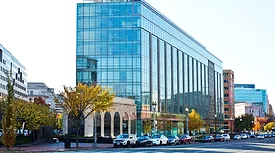
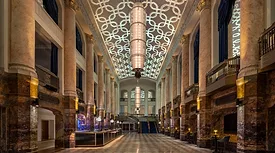
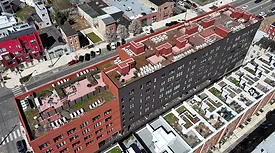
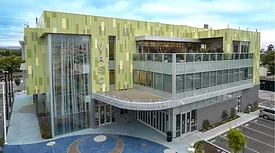
Completed in October 2023, 20 Mass, the intersection of Massachusetts Avenue and F Street NW has transformed into Capitol Hill’s go-to destination thanks to Solarban® 72 Acuity® glass by Vitro Architectural Glass.
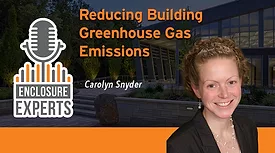
Building Enclosure was joined by Carolyn Snyder, Deputy Assistant Secretary for Buildings and Industry at the U.S. Department of Energy, to discuss a comprehensive plan from the Biden-Harris Administration to reduce greenhouse-gas emissions from buildings
As the recent observance of Earth Day put sustainability even more in the spotlight, Owens Corning is sharing some of their efforts to accelerate its sustainability progress.
Occasionally, I hear contrasting—at times, even incompatible—notions about the United State's energy consumption. Word-of-mouth can allow talking points to take on lives of their own and data trends change over time. What does current data offer in terms of the U.S. energy sector?
The scope of the project was to remove all fiberglass and metal strapping, steam clean all surfaces, insulate with closed cell spray foam, then cover the foam with intumescent coating on all vertical surfaces.
 RSS
RSS