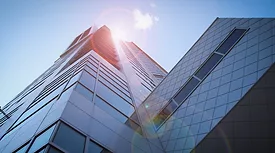
With the USGBC's release of LEED v5 for public comment earlier this year, architects and contractors are already strategizing on the best practices for earning LEED credits. So, how can the coil and extrusion coatings specified for metal roofs and walls contribute to LEED credits?
REI Co-op announced its newest distribution center in Lebanon, Tennessee earned the prestigious LEED v4 Platinum Certification from the U.S. Green Building Council. This achievement marks the first certified facility of its kind in Tennessee and the largest LEED Platinum industrial building in the Southeast. REI joins an elite group of only 10 warehouse facilities in the country to achieve this rating.
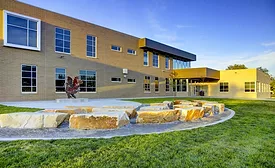
Emerald Elementary School in Broomfield, Colorado is a net-zero-ready, public school serving students in pre-kindergarten through fifth grade. Designed and constructed to meet the highest green building standards, the new school supports the district’s aggressive sustainability and energy efficiency goals.
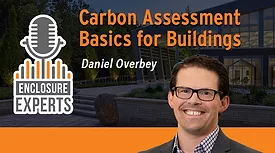
Building Enclosure was recently joined by Daniel Overbey. Dan is an Assistant Professor of Architecture at Ball State University and the Director of Sustainability for Browning Day in Indianapolis. He joined us to chat about some trends in sustainability and how this ties into LEED v5.
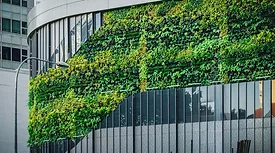
In many cases, building envelope design is mostly a matter of aesthetics and costs. As attention to environmental issues grows, however, sustainability and energy-related concerns play an increasing role in these decisions. The push to reduce urban heat island effects is one of the most prominent of these concerns.
The author provides an exhibit of BPS tools (many of which are free) that can help your team examine, disclose, and optimize your next building project for energy and operational carbon.
Sustainability involves everyone, especially those in the commercial sector. Each company’s carbon footprint can hurt or help the planet survive climate change. Reimagining energy consumption and usage is essential in crafting a greener future. These are a few ways to optimize your commercial structure to reduce each property’s environmental impact.
The building’s design is not just about the present, but also about the future. The design strives to anticipate future tenants’ needs of security, evolving technology, flexibility, and seamless operation.
The following is an exhibit of over twenty tools (many of which are free) that can help your team examine, disclose, and optimize your next building project for embodied carbon.
 RSS
RSS
.webp?height=168&t=1722601325&width=275 "Untitled design(8).jpg")
.webp?t=1723641079)


-redo.webp?height=168&t=1719255411&width=275 "Header - BE 1170x658 (002)-redo.jpg")