How Tariffs Are Reshaping the Affordable Housing Landscape
Tariffs, like other disruptions, bring challenges—but they also create new opportunities for those willing to think differently
.webp?t=1747149219)
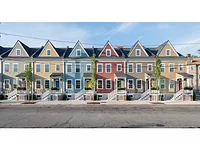
Photo by SevenStorm JUHASZIMRUS; Pexels
When Trump’s tariffs and their potential impact on the multifamily and affordable housing market were first discussed, the industry was already experiencing turbulence. Now, with these tariffs being enacted and rescinded multiple times, the situation has evolved more quickly and dramatically than anticipated. However, tariffs should not be viewed as merely temporary disruptions. Instead, they reflect a deeper shift in the global economic landscape
The world is de-globalizing and has been since the pandemic. The U.S. is sourcing more materials from non-China Asian nations, which now account for 23% of imports, up from 14% in 2022. At the same time, domestic material production has grown 17% since 2023. We have not seen this type of global economic activity in generations and therefore there will be lots of uncertainty.
The uncertainty caused by these shifts are the backdrop against which developers like myself have to adapt and innovate. Having spent years building a $450 million real estate portfolio, trading bonds at Goldman Sachs, and now leading Nectar, I’ve witnessed firsthand the ways policy shifts reverberate through the housing ecosystem. Tariffs, like other disruptions, bring challenges—but they also create new opportunities for those willing to think differently.
Why This Hits Home
Between 2013 and 2020, my business model relied on acquiring distressed properties, renovating them, and transforming them into high quality, affordable apartments. During that time, approximately 50% of the materials we used were sourced from abroad—including granite, fixtures, cabinets, flooring, and softwood lumber. If today’s tariffs had been in place back then, our budgets would have been stretched:
- Canadian Softwood Lumber tariffs have soared to nearly 40%, a huge jump from the prior rate of 8.5%. Lumber was one of the most critical materials for my renovation projects.
- Chinese Imports, which include fixtures and flooring, now face a 20% tariff, doubling earlier rates and increasing costs for essential materials by as much as 30%.
These added costs would have forced us to compromise on material quality or scale back the scope of renovations altogether. It’s not just about materials, either. Stricter immigration policies would have exacerbated labor shortages, driving up project timelines and costs and the uncertainty in both materials and labor makes financing harder to attain and lenders more conservative
Immediate Challenges for Developers
For developers focused on affordable housing, these tariffs are an additional headwind on top of several changes that are reshaping the economics of construction:
- Rising Material Costs: Construction expenses are projected to climb by 4-6% by 2025, adding $17,000 to $25,000 to the price of a new home, according to CoreLogic. Affordable housing developers, already operating under razor-thin margins, will feel the burn most.
- Labor Shortages: Immigrant labor comprises 30% of the construction workforce, but stricter immigration enforcement could reduce this pool by 15% in just one year. Fewer workers mean construction delays, higher wages, and ultimately fewer housing units built.
- Financing Volatility: Rising costs and uncertainty are creating higher equity requirements and risk spreads on loans. For a $20 million project, that means an additional $1.2 million in upfront capital and $400,000 in annual debt service.
For developers like me, the ripple effects include fewer new projects, scaled-back renovations, and less available capital from lenders or buyers for completed projects. The market is prepping for higher rents to offset rising costs, however if there is a recession, it is likely that demand for housing will drop faster than supply which will make it hard to raise rents in the near term. These challenges feed into a larger problem.
The Human Cost for Renters
While tariffs and labor pressures create headaches for developers, the real burden falls on renters:
- Higher Rents: A $20,000 increase in construction costs translates to roughly $100 more in monthly rent per unit. Over five years, renters could pay an additional $6,000 annually due to tariff-driven cost increases alone.
- Affordability Crises: The hardest hit will be lower-income households. For example, a family earning $40,000 per year already allocates 51% of their income to housing. An additional $100 in rent pushes this burden to 54%, leaving less room for essentials like food, healthcare, and transportation.
- Quality of Life Sacrifices: Units with deferred maintenance will have a tougher time getting the upgrades required without substantial rent increases. There will be fewer newly built and renovated properties in the mid term (2026 and beyond). For lower-income families, these compromises can impact everything from education to mental health.
These hardships aren’t abstract numbers. HUD reported an 18.1% spike in homelessness in 2024 alone. Tariffs and housing policy aren’t just economic issues; they’re about people’s lives and futures.
Long-Term Opportunities Amid the Disruptions
Despite the challenges, I’m an optimist by nature. Disruptive events like these often catalyze innovation, and tariffs may be no exception. I see four key opportunities emerging from the turbulence:
1. Growth in Domestic Material Production
Rising material costs could erode the cost advantage of imports, encouraging investment in U.S.-based manufacturing. Over time, this could create a more stable and sustainable supply chain for housing developers.
2. Adoption of Modular Construction
High costs and labor shortages may make modular building techniques more competitive. These methods promise faster construction timelines and lower costs, but they require scale to achieve efficiency. This could be modular construction’s moment to shine.
3. Policy Shifts & Incentives
The worsening housing supply crisis might push municipalities to streamline permitting processes and adopt policies that encourage innovation in construction techniques, such as modular development.
4. Higher Property Values for Developers
For operators able to weather the storm, fewer new projects mean less competition, translating into higher values for existing properties.
Navigating the New Reality
Adapting to these challenges is critical. Here’s how I believe developers can position themselves for success:
Diversify Material Sourcing
Reduce reliance on international imports by exploring domestic or alternative suppliers.
Invest in Workforce Development
Address labor shortages by training and upskilling young workers or implementing workforce retention programs.
Leverage Emerging Technologies
Explore modular construction and automation to cut costs, improve efficiency, and future-proof operations.
Collaborate with Local Governments
Push for policies that streamline permitting and support affordable housing production.
Final Thoughts
Trump’s tariffs are fundamentally altering the affordable housing market, creating an environment marked by challenges, volatility, and the need for resilience. With higher input costs, scarcer capital, and fluctuating demand, developers and investors must adapt to a new normal that isn’t reverting to past conditions. While the risks are real, so too are the opportunities, as the structural demand for housing continues to outpace current supply. This period of disruption demands innovative strategies and forward-thinking solutions to meet the pressing needs of the market.
Looking for a reprint of this article?
From high-res PDFs to custom plaques, order your copy today!
.webp?height=740&t=1767036885&width=auto "Header - BE 1170x658 (002).png")

.webp?height=740&t=1755781744&width=auto "KEE(2).png")