Building Enclosure logo
search
cart
facebook twitter linkedin youtube instagram Spotify Podcasts Apple Podcasts Spotify Podcasts Apple Podcasts
  • Sign In
  • Create Account
  • Sign Out
  • My Account
Building Enclosure logo
  • NEWS
    • Breaking News
  • SECTIONS
    • Columns
    • Project Profiles
    • Trade Shows
    • Sponsor Insights
  • SYSTEM DESIGNS
    • Low-Slope Roofs
    • Pitched Roofs
    • Metal Roofing Materials
    • Waterproofing
    • Sustainability
    • Insulation
    • Exterior Claddings
    • Wall Systems
    • Building Envelope
  • BLOG
    • The BE Blog
  • MEDIA
    • Podcasts
    • Webinars
    • Quiz
    • Videos
    • Polls
    • Interactive Spotlights
    • Newsletter
    • Photo Galleries
  • DIRECTORIES
    • Directory: Blue Book
    • Directory: Roofing Resource
  • PRODUCTS
  • TECHNICAL
    • Codes
      • Waterproofing
      • Roofing
    • Details
      • Waterproofing
      • Roofing
  • CONTINUING ED
  • ABOUT
    • Advertise
      • Editorial Calendar
    • Contact
    • eMag Archive Issues
  • SIGN UP!
Breaking News

Report: California Legislation Can Cut Carbon From Building Materials

4.jpg
September 14, 2023

The carbon emissions associated with materials used in the built environment, referred to as “embodied carbon,” are estimated to contribute up to 11% of all global energy-related carbon emissions. According to a new report from sustainable development consultancy Arup, developed on behalf of NRDC (Natural Resources Defense Council), California is one of the first states in the country to take meaningful steps toward slashing embodied carbon emissions from new buildings and some construction materials, and can set a course for clean materials production, procurement, and use across the United States. 

The new report, Embodied Carbon Reduction Roadmap: Strategies and Policies for the State of California, analyzes the pathways and strategies for California to address embodied carbon in the built environment through policy action. Looking at different types of available strategies like building reuse and using low-carbon building materials, the report estimates the relative proportion of embodied carbon they can reduce across the buildings sector. 

Legislative movement around embodied carbon in California is rapidly developing. Assembly Bill (AB) 2446, signed into law in 2022, directs the development of a framework for measuring and reducing the average carbon intensity of building materials with a target set of 40% reduction by 2035. Meanwhile, the public sector in California has shown market leadership in procurement of some low-carbon materials through the landmark bill AB 262, known as the Buy Clean California Act. More recently, code changes were approved for California’s statewide green building code (CALGreen) to include mandatory embodied carbon provisions for large commercial buildings and schools. 

“It’s essential we transform construction materials from a carbon cost into a decarbonization tool, because we are not going to stop building anytime soon and a lot of the strategies studied will be deeply intertwined with both housing and energy transition efforts in the coming years,” said Lauren Kubiak, a senior scientist at NRDC. “These strategies and plans must begin now, because many of the strategies and technologies to decarbonize construction materials already exist but need a policy push to be more widely adopted." 

The report focuses on California and local governments within the state and concludes that strategies to reduce embodied carbon at the building-level were determined to have the most reduction potential in the short term, while strategies to optimize procurement (i.e., material-level reductions) had the most reduction potential in the long term. While California has demonstrated leadership in low-carbon procurement of some materials through its Buy Clean California Act, the omission of concrete in that policy represents a significant gap that should be addressed to realize the full potential of embodied carbon concrete reductions.    

“The report emphasizes the importance of building codes as a crucial policy lever towards encouraging much-needed building-level embodied carbon reductions,” said Lauren Wingo, Senior Structural Engineer at Arup. “Building code policies can direct designers towards more efficient resource use which, when paired with material-level decarbonization driven by Buy Clean type policies, sets us on a scalable pathway to net zero.” 

It is estimated that, due to the rapid growth of new construction needed to meet the demand of growing populations, nearly half of the total carbon emissions from new construction from now until 2050 will be attributable to the embodied carbon of our built environment. By implementing these strategies we can ensure that embodied carbon emissions decline and contribute to meeting our climate goals. The report is now freely available to download on Arup’s website.  


Read more about the report recommendations in this blog.

KEYWORDS: carbon reduction decarbonization sustainable design

Share This Story

Looking for a reprint of this article?
From high-res PDFs to custom plaques, order your copy today!


Recommended Content

JOIN TODAY
to unlock your recommendations.

Already have an account? Sign In

  • bar graph shows LEED v4/LEED v5/LEED v6 in various colors

    When Will LEED v4 / v4.1 and LEED v5 Expire?

    The latest version of the LEED rating system, LEED v5, is...
    Sustainability
    By: Daniel Overbey
  • Celebrating Women In AEC-2026

    Celebrating Women in The AEC Industry Part 1

    A round-up of women in the design, engineering and...
    Building Envelope
    By: Lindsay Lewis
  • KEE membrane application on a roof

    A Beginner’s Guide to Single-Ply Roofing Membranes

    While PVC and TPO appear extremely similar, the chemistry...
    Low-Slope Roofs
    By: Peter Gross
Manage My Account
  • Sign up for the Newsletter
  • Online Registration
  • Manage My Preferences
  • Registration Customer Service

More Videos

Sponsored Content

Sponsored Content is a special paid section where industry companies provide high quality, objective, non-commercial content around topics of interest to the Building Enclosure audience. All Sponsored Content is supplied by the advertising company and any opinions expressed in this article are those of the author and not necessarily reflect the views of Building Enclosure or its parent company, BNP Media. Interested in participating in our Sponsored Content section? Contact your local rep!

close
  • 2 construction workers and a DEXcell panel
    Sponsored byDEXcell Roof Boards

    Designing Low-Slope Roofs for Resilience

  • Bell Bank headquarters in Fargo, North Dakota
    Sponsored bySto Corp.

    Drained and Back-Ventilated Rainscreens vs Pressurized-Equalized Rainscreens

  • A construction worker using DEXcell roof boards
    Sponsored byDEXcell Roof Boards

    The Hidden Strength of Low-Slope Roof Systems: Why Roof Cover Boards Matter

Popular Stories

construction industry workers in hard hats stand around a city scape

Construction Industry Revolts Over New CSI Licensing Plan

Canalino Elementary School and Canalino Family School exterior

Daylighting Design to Support Rapidly Growing Trend in Modular Building Construction

construction workers on a roof, plane flies in background

Why Specifications Are Becoming the Next Critical Layer of Construction Compliance

Building Enclosure Newsletter

BE Poll

Events

June 17, 2025

Addressing Condensation in Low-Slope Roof Assemblies

Credits: 1 AIA LU/HSW; 0.1 ICC CEU; 1 IIBEC CEH; 0.1 IACET CEU

On Demand In modern roofing systems, vapor retarders and air barriers do more than just minimize air leakage—they’re essential to maximizing performance and longevity. This engaging course dives into the next generation of moisture control: permeable vapor retarders and air barriers. Discover how these cutting-edge technologies are transforming low-slope roofing assemblies by improving energy efficiency, managing moisture, and boosting wind uplift resistance.

April 9, 2026

Strategies for High-Performance Below-Grade Waterproofing

Credits: 1 AIA LU/HSW ; 1 IIBEC CEH; 0.1 IACET CEU

On-Demand Designing a high-performance building enclosure requires more than just surface-level protection; it demands a rigorous, performance-based mastery of below-grade water and gas mitigation. This discussion will provide an expert-level analysis of below-grade waterproofing within the comprehensive framework of the high-performance building enclosure.

View All Submit An Event

Products

Plaster and Drywall Assemblies Manual

Plaster and Drywall Assemblies Manual

This is a comprehensive manual that goes beyond codes and standards, providing expert guidance in design, detailing, material selection and troubleshooting for plaster and drywall.

See More Products

Related Articles

  • Roofing Manufacturers.png

    How Building Materials Manufacturers Can Support Federal Efforts to Build the Next Generation of Skilled Workers

    See More
  • insulation on pipe

    Creating Healthier Indoor Environments Through Innovative Building Materials

    See More
  • GMS Acquires Hathaway Building Materials

    See More

Related Products

See More Products
  • ninteeth century.jpg

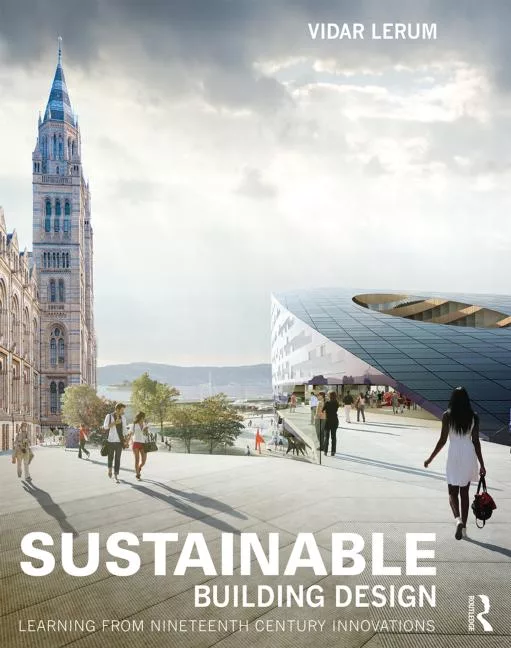
    Sustainable Building Design: Learning from nineteenth-century innovations

  • 9780128207918.jpg

    Eco-efficient Materials for Reducing Cooling Needs in Buildings and Construction 1st Edition

  • Optimizing Social Media from a B2B Perspective

See More Products
×

Enhance your expertise with unparalleled insights.

Join thousands of building professionals today. Shouldn’t you know what they know?

SUBSCRIBE TODAY!
  • RESOURCES
    • Advertise
    • Contact Us
    • Store
    • Want More
  • SIGN UP TODAY
    • Create Account
    • Newsletter
    • Customer Service
    • Manage Preferences
  • SERVICES
    • Marketing Services
    • Reprints
    • Market Research
    • List Rental
    • Survey/Respondent Access
  • STAY CONNECTED
    • LinkedIn
    • Facebook
    • Instagram
    • YouTube
    • X
  • PRIVACY
    • PRIVACY POLICY
    • TERMS & CONDITIONS
    • DO NOT SELL MY PERSONAL INFORMATION
    • PRIVACY REQUEST
    • ACCESSIBILITY

Copyright ©2026. All Rights Reserved BNP Media, Inc. and BNP Media II, LLC.

Design, CMS, Hosting & Web Development :: ePublishing