The Key to Building Sustainably is Building for Longevity
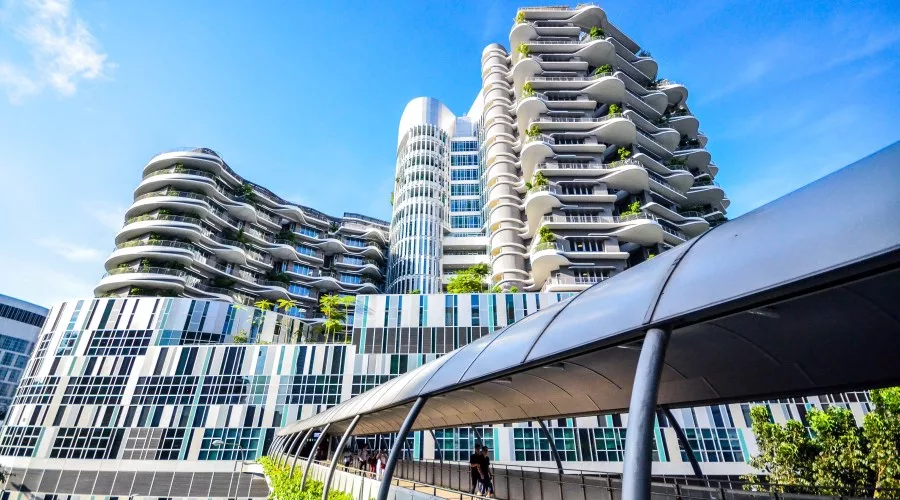
Esaias Tan via Unsplash.
Put 100 architects, builders and clients in the same room to discuss sustainable construction and you’ll get 100 different ideas of what that means. They’ll bring up following eco-friendly practices, purchasing local materials, using sustainable or recycled materials, offsetting their carbon usage, fitting the building for renewable energy and so on. However, they’ll likely miss the essential ingredient — longevity.
What makes a sustainable structure, and how do people create buildings that stand the test of time? They plan for the future today. Create interiors that feel like home rather than sterile to keep companies or residents from moving on. Use durable materials designed to weather natural and human-made disasters. Design spaces with ebb and flow in mind, allowing businesses to evolve as they grow or their needs change. Set aside room for expanding technology coming down the line.
In general, the more that can be done now to build structures that will physically last and still serve a purpose for years to come, the more sustainable they’ll be. LEED certification won’t make any difference if you tear the building down in 10 years to erect something new.
What Factors Affect a Building’s Longevity?
First, it’s worthwhile to discuss the main factors that affect a building’s longevity. There are four main components: building materials, workmanship, maintenance and climate. There are major challenges to overcome in each category to create strong and sustainable communities.
Building Materials
The construction industry has long relied on cheap artificial materials, such as drywall, salvaged brick and reclaimed wood. These materials made construction projects easier and faster, but the final products haven’t been high-quality. Hospital buildings, shopping centers and other important community buildings have degraded and collapsed in just a few decades.
Generations ago, the standards for concrete, brick and other timeless building materials were much higher and resulted in stronger structures. Today, contractors have a greater incentive to complete projects as fast as possible, which leads to investments in cheaper, weaker materials that are easy to mass-produce.
Workmanship
There’s a lack of trained professionals in the construction industry. It’s short more than 430,000 workers, and that number will grow in 2023 as millions more retire. Building longevity will suffer as a result. There will be more mistakes, delays and potential for disaster.
Maintenance
Low-quality materials and fewer skilled workers also lead to poorer building maintenance in the long run. The property owner has to choose between paying for expensive upkeep or ignoring structural damage until the last second. Many people select the latter option, which leads to tragedies like the condo complex collapse in Florida in 2021.
Climate
Climate is the ultimate factor in determining a building’s longevity. Structures can be swept away by a flood or destroyed by an earthquake. Natural disasters have become more frequent and volatile in recent years, posing a greater threat to communities. Extreme weather events can’t be stopped, but people can reduce their ecological footprint and improve infrastructure’s defenses against them.
Technology Changing the Game
The one advantage people have over previous generations is advanced technology. Tech can address all four facets of building longevity. Most notably, 3D printing could revolutionize construction and create sustainable communities from scratch. The growth of recycling plants and waste disposal technology has also opened up many new durable material options:
- Cross-laminated timber
- Mycelium
- Recycled fabric
- Salvaged steel, lumber, plastic, wool
Modular building has become another popular strategy due to its safety and efficiency. Instead of creating a structure on-site, contractors can build in a controlled warehouse environment thanks to new tools and equipment. This method can be up to 50 percent faster than traditional construction and still be more durable.
In close relation with modular building, manufacturers are also mass-producing important construction materials in climate-controlled settings. For example, they can produce precast concrete with unique dimensions and mix designs to meet a project’s specific requirements. This type of concrete is stronger because it has time to cure and achieve maximum strength instead of getting rushed off to the worksite.
Off-site material production also enables manufacturers to reinforce their materials and incorporate more sustainable ingredients. Steel rebars in precast concrete provide a great example of this practice, as 71 percent of reinforcing steel now comes from recycled materials. Wire mesh, fiber mesh and high-tech polymer are other concrete reinforcements that benefit from precast production.
Technology has also assisted in creating more eco-conscious attitudes in construction, which has led to a renaissance of natural materials like stone and bamboo. These sources are better in every way, from sustainability to durability. You can obtain them locally, cut shipping costs and create buildings that complement their environments instead of aggravating them.
On a smaller scale, tools like construction robots, airborne drones and wearable monitoring devices help laborers stay safe and productive on the job site. They assist with all kinds of small tasks, from welding to painting, improving the project’s workmanship and leading to more stable buildings. Smart sensors help with long-term maintenance by identifying structural damage before it endangers people’s lives.
Innovations can even help identify and prepare for natural disasters. For example, engineers and designers can use AI-powered computer projections to play out different disaster scenarios and determine how the building would hold up. Once they spot the vulnerabilities, they can make the necessary adjustments to improve the structure’s durability.
Raising Industry Standards
Technological advancements have been crucial to improving longevity in construction, but no amount of gadgets can raise standards as a society. Industry professionals must hold each other accountable and think about future generations instead of their bottom lines. That’s where federal and nonprofit organizations come into play.
The most important program thus far has been Leadership in Energy and Environmental Design (LEED), an American group established in 1993 that has set a new bar for sustainable construction in the last few decades.
LEED-certified structures must meet high standards with energy efficiency, building materials, green design features and many other relevant categories. The buildings can achieve silver, gold and platinum ratings based on a simple points scale. Projects affiliated with LEED have gotten progressively better, showing that sustainability is becoming a higher priority.
Other groups like the Environmental Protection Agency, Forest Stewardship Council and GreenGuard are taking similar steps to enforce widespread green building. The EPA covers many important factors that influence a building’s longevity and environmental impact:
- Stabilize soil around the building
- Control sediment erosion
- Monitor dewatering activities
- Establish strict pollution prevention measures
- Create buffers around surface waters near the property
- Prohibit the discharge of harmful waste, such as motor fuel and concrete washout
The FSC plays a critically underrated role. It inspects the manufacturing process of paper and wood products in construction, ensuring the timber is high-quality and responsibly sourced. Cheaply processed wood is prone to splintering and rotting, which damages a building’s infrastructure and puts lives at risk. The FSC mitigates this problem and keeps lumber manufacturers in check.
GreenGuard specializes in indoor air quality, an often overlooked aspect of a building’s longevity. The materials might be strong and stable, but that doesn’t matter if the air is full of harmful contaminants. Officials inspect everything from building materials to electronics for volatile organic compounds (VOCs), making homes and businesses much safer from unseen threats.
Organizations with no financial stake in construction can focus on the more important things — comfort, sustainability and durability. Prioritizing these things results in greener construction projects. However, people can’t rely on these groups entirely. The average citizen also has a duty to uphold high standards in their daily life.
What the Average Citizen Can Do
Thankfully, the public seems to understand the dangers that climate change poses to infrastructure. This attitude is reflected in their spending habits and lifestyles. More people than ever understand the need for sustainable societies.
The first item on the to-do list is repopulating the construction workforce with skilled laborers. That means providing young people with more opportunities in trade programs and giving them options besides the four-year college cycle. Many families can’t afford to send their children to college, but they can be directed to relevant career paths in the building trades.
Renewing interest in construction won’t happen overnight, but it’s a long battle that must be undertaken. A young, enthusiastic workforce that prioritizes sustainability and longevity is the magic elixir that solves many ongoing problems in the construction industry.
On a smaller scale, homeowners and commercial property owners must take their maintenance responsibilities more seriously. They need to manage their properties with future generations in mind, which means repairing damages and reporting unsafe conditions promptly. The world would be a better place if everyone took pride in architecture again.
Building a Better Tomorrow
The construction industry needs to undergo a major overhaul in multiple ways, from building materials to workforce management to long-term maintenance. Profits have been the top priority for too long. Federal programs, nonprofit groups and average citizens can work together to realign priorities and build a better tomorrow.
