Seal the Deal on Energy Savings by Making Existing Buildings Airtight
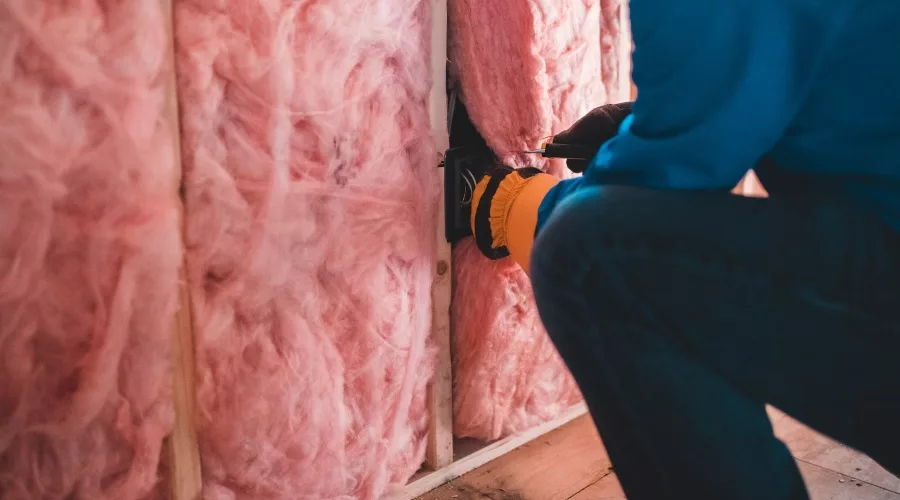
Photo courtesy of Erik Mclean; Unsplash.
The journey to cleaner energy, healthier buildings and reduced emissions begins with retrofits. It’s essential to install renewable energy for businesses. However, reducing energy consumption first is more crucial because it tackles the root of the problem.
Details like caulking and adding insulation prevent drafts and excess moisture, which is critical for the well-being of the being and comfort of staff. Reinforcing a commercial building to become as airtight as possible can prevent leaks, keep workers healthier, and save countless on increasingly high energy bills.
How Issues Appear
Buildings and construction are one of the world’s leading emissions producers, and so far, they are not on track to meet reduction targets by 2050. Retrofits are far more eco-conscious than demolitions and new builds. Finding the signs of air leaks could be one of the most influential keys to energy savings, such as:
- Condensation around windows
- Mold, mildew or dust mites around cold surfaces
- Notable outside noise
- Inability of central air to control temperature and humidity
- Drafts
- Ice dams caused by snow melting on rooftops
- Odors from water damage
- Lack of comfort
Finding ways to make a building airtight extends past an inspection — though administering one can reveal numerous gaps and structural inadequacies. Sensory disruptions like loud outside sounds or the inability to get comfortable in a specific room unveil a lot about how the space is managing thermal performance.
Airtightness is about more than hot and cold — building owners must also consider wet and dry. How the temperature of the house’s exterior reacts with the interior is another necessary factor. Even minor variations between rooms or areas within a room can signal more significant issues or soon-to-be problems.
Sealing a window can’t solve every issue — there are more factors influencing temperature at play. Being aware of all potential issues will result in better solutions and energy and financial savings.
How to Make a Building Airtight
The necessary steps to improve commercial buildings vary from case to case. However, finding the source of drafts and moisture permeability is always the first step. Installing solutions with a long shelf-life ensures fewer resources go into repairs and there’s less room for issues down the road. The solution will look different depending on what part of the building has the most significant problems.
The best way to tackle the process is by building energy models. These tech tools help builders and architects find airtightness concerns in their mapping. With relevant data, they can estimate how factors like certain materials can influence airflow. The models permit builders to start the project with as much information as possible about adjusting the building with the best available materials.
Air Barriers
The first strategy is to establish an air barrier around the building. Air barriers manage airflow for the building’s envelope by separating interior and exterior influences. These barriers offer:
- Total encapsulation of the building
- Complete defense against incoming air
- Environmental durability, strength and stiffness
- Compliance with air barrier code requirements
Air barriers can lead to energy savings when retrofitting buildings. Installers have a few preparation options. There are whole-building versions that focus on strategies that consider the entire building as one unit or all-in-one systems that focus on enhancing insulation and airtightness in the walls to improve the rest of the space.
Roofing
Commercial buildings can also look at insulated roofs. They’re crucial for places with heavy winters — they can handle snowfall without causing water concentration that damages infrastructure while disrupting temperatures.
Repair workers might be up there frequently, so installing measures like guardrails and slopes for easy snow and ice removal is essential. A well-insulated roof on a massive commercial building like a warehouse could save countless on winter heating.
Windows and Doors
These entry and exit points are some of the biggest heat-loss culprits, as cracks and gaps constantly open pathways. Commercial buildings should prioritize multi-paned windows for protection. These alongside doors should have adequate caulking and weatherstripping to cover any potential openings.
Experts can recommend materials and colors that best soak up warmth for even more airtightness boosts in entryways. Peripherals like curtains and shades help soak heat to continue temperature regulation efforts.
What Solutions Retrofitting Provides
Temperature regulation and efficiency are compromised when a building isn’t airtight. Comfortable, clean air escapes while unmonitored outside air creeps indoors. There’s more to worry about than the windows and floors.
For commercial buildings, it could damage everything from staff morale to expensive tech equipment. It’s one of the reasons temperature regulation is so crucial to facilities like data centers, where efficiency correlates to managing the overheating potential of powerful computers.
When commercial enterprises are tech-focused, they need everything within the walls to work at peak performance. Inadequate temperature regulation as a whole impacts individual devices and how they use their energy. Retrofitting provides a compounding, beneficial solution for improving building efficiency while extending the life and improving the abilities of all tech inside. Gradually, this system could add up to the most energy savings.
Buildings such as museums and historical buildings need help too. Energy savings equal artifact savings, increasing the overall value of the building and the longevity of its structure and exhibits.
In addition to energy savings, retrofitting offers several other benefits that may further incentivize commercial outfits to start researching options:
- Interior and exterior aesthetic improvements
- Greater compliance adherence
- More authority in promoting environmentally friends goals and frameworks like ESG
- Improved health of workers
- Easier to clean space because of better ventilation and less dust and mold
- Increased property value due to upgraded infrastructure and minimized structural damage
Commercial Retrofits Are an Investment in Cost Savings
Retrofitting buildings to make them airtight is an investment that will yield immediate cost savings, but the real wonder is the savings over time. As the structure becomes more efficient, so does every machine and operation inside. The retrofits more than pay for themselves in returns as they persist in helping businesses and the planet with greener, more efficient operations.
