How to Work Effectively with Your Local Building Department
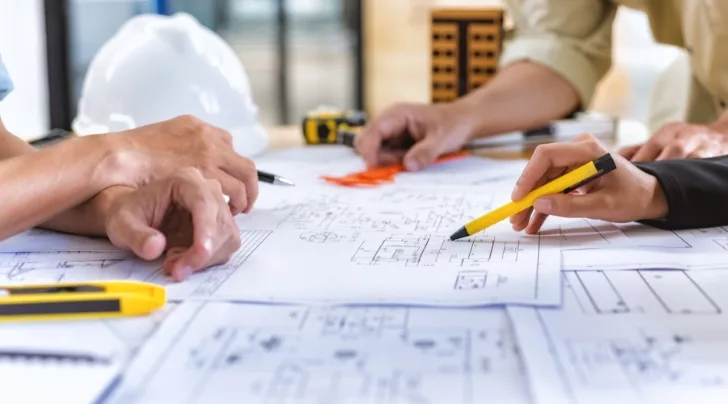
Building departments and the hardworking professionals working within them are the silent defenders of our communities. By overseeing the permitting, inspection and occupancy authorization processes for new construction, renovations and repairs, your local building department plays a vital role in ensuring that projects are built to applicable building safety codes and standards.
Building codes and standards are consistently being improved by the International Code Council to reflect new knowledge, advanced technologies and evolving human behavior. Buildings are increasing in complexity, and because of this, it is important to understand and utilize available resources to ensure your construction or renovation project will be safe, sustainable and resilient.
The Code Council’s 2023 Building Safety Month campaign, which features five weekly themes, reinforces the importance of building safety codes and standards. Week two’s theme, Building Safety Professionals and You, brings the work of building safety professionals to the forefront so that the public can better understand and work with these experts.
Below are our top tips on how to best collaborate with your local building department to make sure properties where we live, work, play and learn comply with all local building safety and zoning regulations.
Recognize When to Contact Your Building Department
You should contact your local building department the moment you start planning a construction or renovation project. If you are questioning whether your project is important enough to utilize the support of your local building department, the answer will most likely be YES.
One of the most frequent questions building departments get asked is whether permits and inspections are required for the work to be done. In some cases, such as minor renovations or repairs, building departments may not require certain documents. However, it never hurts to ask. They will guide you through what permits and inspections are required for your project and when you will need them, helping to avoid any potential penalties, fines, or future complications.
Your local building department will also advise you on what building codes and regulations need to be implemented within the project. They can provide guidance on the requirements for obtaining permits, where licensed contractors are needed and where architects and engineers may be required prior to moving ahead with a project. They can also be a useful resource in understanding the procedures necessary throughout the various stages of the construction process and how to navigate through activities such as code inspections.
Identify How to Best Contact your Building Department
Now that you know when you should contact your local building department, you may be asking yourself, how do I know who to contact? The good news is this will most likely be the easiest part of your project.
Start with a simple web search. You can likely find the contact information for your local building department by using keywords such as your city or county name and “building department”.
Building departments often have contact email accounts and phone numbers for general questions and inquiries, and some have become more tech-savvy and may have live chat opportunities or programmed chat functions as well. If you’d prefer, you can also visit your local building department in-person during stated business hours, where applicable.
It is recommended that before you contact anyone, you have a clear idea of the scope of your project and compile as much information as possible so they can help you effectively and efficiently move forward.
Learn How to Utilize the Tools Building Departments Provide
Building departments have become transparent governmental agencies that provide as much information as possible to their communities. Your local building department can provide you with access to documents and resources such as permit application forms, information on how long it takes to get plans approved, how to schedule inspections and what permits and/or documentation is on file and available at your property.
They also may offer online services such as the ability to check the status of a permit or inspection, schedule an inspection, access inspection results and find contact information for inspection services. Some building departments may even provide fee calculators or online permitting tools that can generate a permit in just a few minutes. Many of these online processes can be used outside of the normal business hours of the department.
Think of Your Building Department as a Partner
Your local building department wants your project to be safe and successful.
Building safety professionals put the safety of the community above all else. Communities that enforce permits and conduct inspections typically perform better during extreme events and are more resilient to natural hazards.
Your local building department can provide a wealth of knowledge on all aspects of building projects. Building departments are typically staffed with a wide variety of professionals whose expertise falls in various areas of building and construction (such as architecture and engineering), and often include former carpenters, electricians, plumbers and other technicians with installation experience.
Whether it is a simple remodel in your home or a massive new construction project, they want to help you succeed and they are your champion in the construction process.
Building Departments Are a Valuable Source for Information and Support
Building departments are available to help you at every stage of your construction project. By working collectively with these experts, you can avoid the pitfalls, such as fines and legal issues and ensure that your building is safe and meets the local requirements.
These professionals are available to help you, not to hinder you, and they are always looking out for you and your community's best interest.
