Building Enclosure logo
search
cart
facebook twitter linkedin youtube instagram Spotify Podcasts Apple Podcasts Spotify Podcasts Apple Podcasts
  • Sign In
  • Create Account
  • Sign Out
  • My Account
Building Enclosure logo
  • NEWS
    • Breaking News
  • SECTIONS
    • Columns
    • Project Profiles
    • Trade Shows
    • Sponsor Insights
  • SYSTEM DESIGNS
    • Low-Slope Roofs
    • Pitched Roofs
    • Metal Roofing Materials
    • Waterproofing
    • Sustainability
    • Insulation
    • Exterior Claddings
    • Wall Systems
    • Building Envelope
  • BLOG
    • The BE Blog
  • MEDIA
    • Podcasts
    • Webinars
    • Quiz
    • Videos
    • Polls
    • Interactive Spotlights
    • Newsletter
    • Photo Galleries
  • DIRECTORIES
    • Directory: Blue Book
    • Directory: Roofing Resource
  • PRODUCTS
  • TECHNICAL
    • Codes
      • Waterproofing
      • Roofing
    • Details
      • Waterproofing
      • Roofing
  • CONTINUING ED
  • ABOUT
    • Advertise
      • Editorial Calendar
    • Contact
    • eMag Archive Issues
  • SIGN UP!
Building EnvelopeSustainability

New Report Shows Building Retrofits are Lagging in the Effort to Decarbonizing the Built Environment
By Brent Trenga
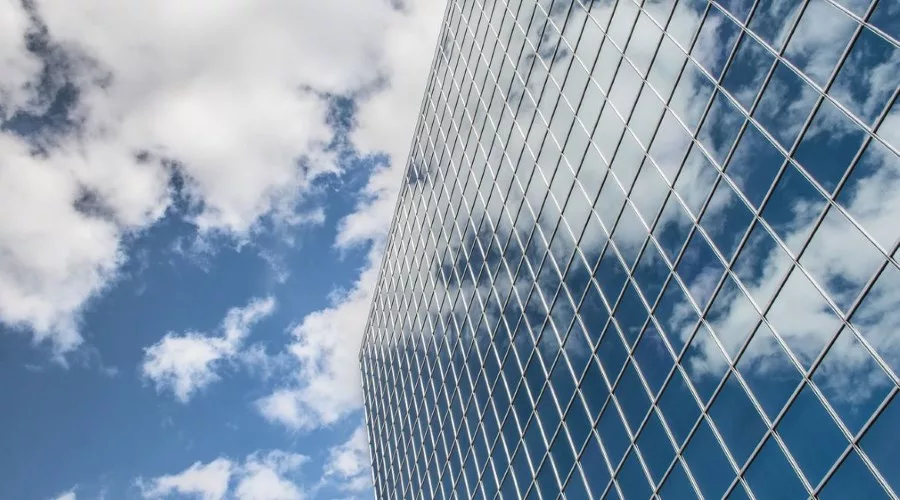
building-ge25a6852a_1280.jpg
February 17, 2023

In the fight against the impacts of climate change, evolving building codes, performance standards and building practices are being utilized to improve sustainability, resiliency and efficiency—all key components in trying to meet the goals of the Paris Accord and achieve net-zero carbon by 2050. 

But reducing CO2 emissions from the built environment can’t just focus on new construction; retrofitting existing buildings—especially older ones—is an essential component as well. 

The Global Retrofit Index report from 3Keel finds that most countries around the globe have a long way to go to hit the benchmark of the 2.5 percent rate of retrofit by 2030, a target set by the International Energy Association (IEA).

The Global Retrofit Index is a comprehensive report that assesses the progress G20 countries and G7 economies are making to reduce emissions from existing buildings and evaluates the current need for building retrofits, as well as any recent progress and policy commitments. This report showcases the dire need to accelerate the speed and scale of retrofits on a global scale.

Buildings consume nearly half of all the energy produced in the U.S., with the majority sourced from fossil fuels. The industry must face the reality of the large impact that it has on the environment and make further efforts to reduce its energy expenditure.

Buildings are responsible for 37 percent of energy-related carbon emissions (when compared with other sectors): 27 percent from operational carbon (greenhouse gas emissions from energy consumption) and 10% from embodied carbon (greenhouse gas emissions from the manufacturing, transportation, construction, maintenance and disposal of building materials). 

In developed economies, 80 percent of the buildings that will be standing in 2050 have already been built, meaning policymakers must understand the challenges involved in ensuring these buildings are able to contribute to net-zero carbon targets. The Biden Administration has made federal funds available to improve building energy efficiency through the Inflation Reduction Act in 2022, making it clear that action on building energy use is a vital part of achieving these net-zero targets.

Still, the report shows that the U.S. is not on track to achieve its goals with no long-term targets for building emission reductions, retrofit rates or energy efficiency improvements. The need for action in retrofitting is dire, as the U.S. is sitting at 12th in the rankings of G20 countries and tied for last with Japan in the rankings of G7 economies. 

Further showcasing the need to focus on retrofits, the top-ranked countries like Germany and France are not reducing building emissions enough to remain on track to reach the 2050 net-zero carbon targets for the built environment. Currently, fewer than 1% of buildings in major economies are being given energy efficiency retrofit upgrades each year. To get back on track, the industry must achieve the following by 2030: 

  • A 45% reduction in energy consumption
  • A 50% cut in direct emissions 
  • A 60% cut in indirect emissions 


According to the IEA, deep energy retrofits of buildings can reduce energy demand linked to heating by two-thirds or more. Retrofitting 20 percent of buildings in advanced economies over the next five years would reduce CO2 emissions from heating by around one-fifth. 

Despite the lagging rate of retrofits, new technology is making retrofitting more achievable and impactful than ever before. Efforts can include upgrades to HVAC systems, lighting, roofs and switching to cleaner energy sources like solar, wind and renewable natural gas. A retrofit can give older buildings made of brick, stucco or concrete new life, using modern building materials like insulated metal panels, which create an envelope that is more efficient and more impervious to air, water and vapor. 

As Carl Elefante, former president of the American Institute of Architects said, “The greenest building is the one that already exists.” 

To read the full Global Retrofit Index, please visit https://www.3keel.com/wp-content/uploads/2022/10/Global_Retrofix_Index.pdf

KEYWORDS: energy efficiency net zero retrofitting sustainable design

Share This Story

Brent web

Brent Trenga, LEED AP BD+C, WELL AP is Building Technology Director for Kingspan Insulated Panels North America. His background as an architect, construction manager, developer and project owner give him a unique perspective on all facets of the construction industry. Trenga leads Kingspan North America’s material health and transparency program and Kingspan’s North American NZE 2020 program, while collaborating with the company’s global healthy building team. Trenga can be contacted by email at brent.trenga@kingspan.com.

Recent Comments

These are actually very helpful tips. It is...

This is the most beneficial blog for all...

This blog is a great resource for anyone...

Thank you for sharing this important information. I...

This is a very interesting subject of the...

Manage My Account
  • Sign up for the Newsletter
  • Online Registration
  • Manage My Preferences
  • Registration Customer Service

More Videos

Sponsored Content

Sponsored Content is a special paid section where industry companies provide high quality, objective, non-commercial content around topics of interest to the Building Enclosure audience. All Sponsored Content is supplied by the advertising company and any opinions expressed in this article are those of the author and not necessarily reflect the views of Building Enclosure or its parent company, BNP Media. Interested in participating in our Sponsored Content section? Contact your local rep!

close
  • 2 construction workers and a DEXcell panel
    Sponsored byDEXcell Roof Boards

    Designing Low-Slope Roofs for Resilience

  • Bell Bank headquarters in Fargo, North Dakota
    Sponsored bySto Corp.

    Drained and Back-Ventilated Rainscreens vs Pressurized-Equalized Rainscreens

  • A construction worker using DEXcell roof boards
    Sponsored byDEXcell Roof Boards

    The Hidden Strength of Low-Slope Roof Systems: Why Roof Cover Boards Matter

Popular Stories

a man wearing a mask installs insulation into a wall system

Quiet Rooms and Healthier Air: A Second Look at What Goes Inside the Wall Cavity

construction industry workers in hard hats stand around a city scape

Construction Industry Revolts Over New CSI Licensing Plan

Canalino Elementary School and Canalino Family School exterior

Daylighting Design to Support Rapidly Growing Trend in Modular Building Construction

Building Enclosure Newsletter

BE Poll

Events

June 17, 2025

Addressing Condensation in Low-Slope Roof Assemblies

Credits: 1 AIA LU/HSW; 0.1 ICC CEU; 1 IIBEC CEH; 0.1 IACET CEU

On Demand In modern roofing systems, vapor retarders and air barriers do more than just minimize air leakage—they’re essential to maximizing performance and longevity. This engaging course dives into the next generation of moisture control: permeable vapor retarders and air barriers. Discover how these cutting-edge technologies are transforming low-slope roofing assemblies by improving energy efficiency, managing moisture, and boosting wind uplift resistance.

April 9, 2026

Strategies for High-Performance Below-Grade Waterproofing

Credits: 1 AIA LU/HSW ; 1 IIBEC CEH; 0.1 IACET CEU

On-Demand Designing a high-performance building enclosure requires more than just surface-level protection; it demands a rigorous, performance-based mastery of below-grade water and gas mitigation. This discussion will provide an expert-level analysis of below-grade waterproofing within the comprehensive framework of the high-performance building enclosure.

View All Submit An Event

Products

Plaster and Drywall Assemblies Manual

Plaster and Drywall Assemblies Manual

This is a comprehensive manual that goes beyond codes and standards, providing expert guidance in design, detailing, material selection and troubleshooting for plaster and drywall.

See More Products
×

Enhance your expertise with unparalleled insights.

Join thousands of building professionals today. Shouldn’t you know what they know?

SUBSCRIBE TODAY!
  • RESOURCES
    • Advertise
    • Contact Us
    • Store
    • Want More
  • SIGN UP TODAY
    • Create Account
    • Newsletter
    • Customer Service
    • Manage Preferences
  • SERVICES
    • Marketing Services
    • Reprints
    • Market Research
    • List Rental
    • Survey/Respondent Access
  • STAY CONNECTED
    • LinkedIn
    • Facebook
    • Instagram
    • YouTube
    • X
  • PRIVACY
    • PRIVACY POLICY
    • TERMS & CONDITIONS
    • DO NOT SELL MY PERSONAL INFORMATION
    • PRIVACY REQUEST
    • ACCESSIBILITY

Copyright ©2026. All Rights Reserved BNP Media, Inc. and BNP Media II, LLC.

Design, CMS, Hosting & Web Development :: ePublishing