The Best Ways to Prevent Condensation in Metal Buildings
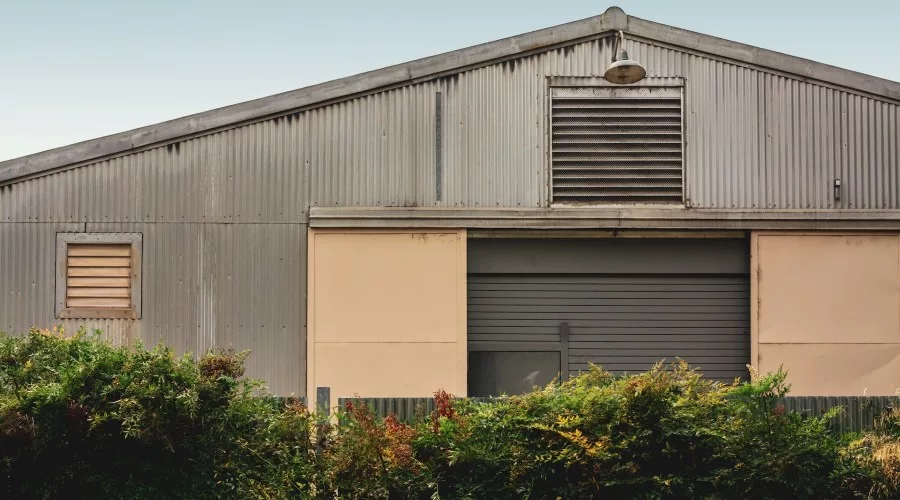
Photo courtesy of Parsoa Khorsand; Unsplash
Condensation in metal buildings is a common problem, but it’s not without solutions. Knowing some of the best practices for dealing with the issue gives people an excellent starting point for taking preventive measures.
Understand the Likely Sources of Moisture
People can only hope to control condensation in metal buildings if they become aware of what causes the excessive moisture. The first step is to reduce the cold surface areas if possible. The easiest time to do that is during the structure’s design. However, retrofitting is an option in existing buildings.
It’s also necessary to realize that condensation is not necessarily the sole or primary reason for excessive moisture in a metal building. For example, moisture-wicking can occur from fiberglass insulation. Ice damming and water flow around a structure’s seals are other frequent culprits of too much moisture.
Once people confirm that uncontrolled condensation is the reason for the moisture, they can consider using low-rated vapor retarders. The lower the rating, the less liquid can pass through these materials. Regardless of the vapor barrier’s rating, they all work similarly by inhibiting how much moisture and warm air can pass through to the internal parts of a building’s wall or roof system.
The main thing to remember is that people should never make assumptions about the cause of excessive moisture and how to fix it. They must confirm the reason first, then explore the most appropriate way to tackle it.
Use the Correct Insulation
Condensation happens when a building’s internal temperature is warmer than the outside temperature. This is most likely to occur at night with a metal structure and once the surface’s temperature becomes several degrees cooler than the ambient air.
Warm and moisture-filled air rises and then cools once it reaches the comparatively colder surface of the metal. Most commonly, the warm air inside the building gets pushed into and caught in the cavity underneath the roof. Condensation happens when there’s more water vapor than the air can hold. The dew point represents how cool the air must get to become saturated.
One of the popular ways to manage condensation in a metal building is to insulate it so the temperature associated with the metal never reaches the dew point. Applying vinyl-backed insulation on the walls and roof stops contact between warm, humid air and the cool, dry surface of the panels. Another option is to use spray-foam insulation. Closed-cell foam insulation creates an effective water vapor barrier.
Moreover, if the building in question has a rigid steel frame, it likely has walls and rooflines that are comparably deeper than structures with frames made from other materials. That makes it a good candidate for filling with extra-thick fiberglass insulation.
Increase the Building’s Ventilation
One of the most straightforward ways to deal with condensation in metal buildings is to improve ventilation. That’s one way to eliminate airborne water vapor. Increasing ventilation may be as simple as opening windows and doors when the temperature allows. Doing that during the warmest part of the day is most effective when a structure’s indoor humidity rises due to mechanical equipment.
However, people often need to take other measures, such as using strategically placed fans or installing ceiling vents. That’s especially true if it’s characteristically busy and has many occupants.
Installing a mechanical exhaust and airflow system is appropriate when a building’s existing HVAC system cannot maintain a system above the dew point. Increased ventilation is typically not enough to keep condensation down, but it should be considered alongside other strategies.
Know the Effects of Metal Used With Different Materials
Another thing to remember is that certain materials used alongside metal can exacerbate condensation. Moisture and acetic acid in timber can make metal corrosion more likely. Moisture content above 20 percent is a particular risk.
However, people can take precautions, such as avoiding the contact or closeness of two metals. Alternatively, they can use powder-coated metals less likely to experience corrosion.
One surprising aspect of using metal with timber is that the combination can have an anti-condensation effect. One strategy is to use timber at a 12-millimeter thickness inside an outdoor building, such as a shed. The timber is not thick enough to keep the structure warm. It does act as insulation by not getting as cold as quickly as the conductive metal of the building, though.
Plus, putting a timber subfloor in the building is a practical condensation management option. Relatedly, people should ensure adequate ventilation underneath the subfloor to prevent moisture from building up.
Put a Dehumidifier in the Building
Companies with sensitive equipment or production processes frequently need environmental control systems to maintain stringent conditions. However, people who want to reduce condensation in metal buildings can use a dehumidifier to help.
It extracts excess moisture from the air, making condensation less likely. Using a dehumidifier is also a valuable strategy when the building’s conditions will promote mold growth if not otherwise managed.
Many of today’s construction projects are highly connected operations, utilizing sensors to track everything from assets to environmental statistics. However, buildings can benefit from sensor usage after construction finishes, too. One of the most relevant ways is to deploy sensors that measure the relative humidity in a building. They can ensure a comfortable and productive work environment for occupants. Managing humidity levels is also essential when the structure contains fine art or musical instruments.
It’s best to keep indoor humidity at 30%-60% during the cooler months of the year. Levels above 70% for extended periods make the moisture content in the air high enough for potential mold growth. However, a dehumidifier is an easy and accessible way to keep condensation and mold under control.
Condensation in Metal Buildings Is Manageable
Condensation in metal buildings is a more common problem than many people realize. However, the good news is that it’s controllable. Identifying the problem and determining the best ways to address it are good ways to ensure the matter doesn’t get out of control and negatively impact the structure’s infrastructure and longevity.
