Making Roofing Energy-Efficient With Continuous Insulation
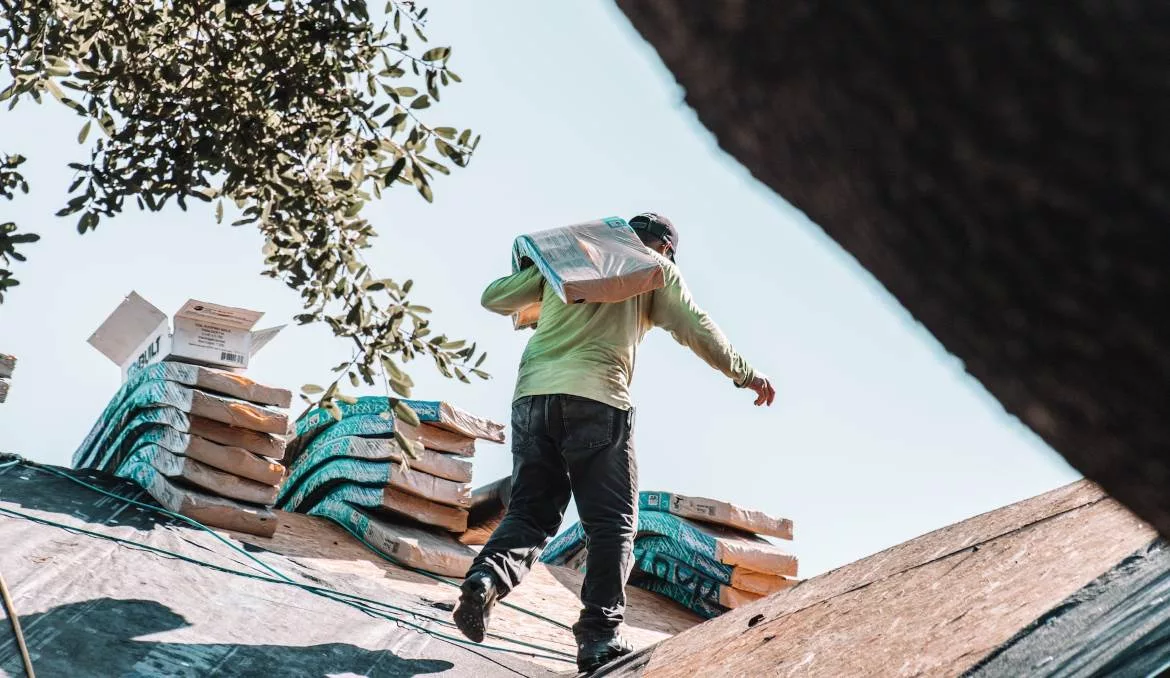
Photo by Zohair Mirza via Unsplash
Energy efficiency is an increasingly crucial consideration for construction firms today. As sustainable building regulations and businesses’ green initiatives rise, construction professionals must find new ways to make buildings more energy-efficient. Continuous insulation is one of the best improvements to make in this area.
The International Energy Conservation Code (IECC) requires continuous insulation in many cases across climate zones. Even where it’s not a requirement, this practice can be a tremendous help in making roofing energy-efficient.
Why Is Making Roofing Energy-Efficient Important?
Making roofing energy-efficient is an important undertaking for several reasons. Regulations aside, more businesses today are embracing sustainability as climate issues become more prominent. While there are many ways to reduce buildings’ energy consumption to meet this demand, roofing is a critical part of the puzzle.
A conventional roof can reach temperatures beyond 150 degrees Fahrenheit on a sunny day and remain warm as the sun sets. Consequently, HVAC systems must work harder as that heat seeps into the building. Similarly, heat can escape through roofs in the winter, leading to similar energy consumption from heating systems
Reducing this heat excess and loss will translate into reduced emissions from HVAC energy consumption. Those savings have tangible business benefits, too. Energy-efficient businesses can enjoy 15 percent higher revenue, so making roofing energy-efficient offers occupants a financial advantage.
What Is Continuous Insulation?
Continuous insulation provides an answer, but to understand why, construction firms must first understand what it is. As the name suggests, this insulation provides continuous coverage. Instead of placing materials between structural components like rafters, construction crews install them in a cohesive, uninterrupted layer.
This approach to insulation can apply to both the interior and exterior. However, external installation is more common because applying them inside could take up more space, as materials would have to cover framing members instead of fitting between them. In either case, though, it provides impressive energy-efficiency benefits.
Some of the most common materials used in this practice also serve as water or air barriers, providing additional benefits. Rigid foam is perhaps the most popular material option, but cork and mineral wool also see fairly wide usage.
How Continuous Insulation Improves Energy-Efficiency
The downside of traditional roofing insulation is its exposure to thermal bridging. Thermal bridging occurs when uninsulated materials – in this case structural supports – absorb and transfer heat. This shift hinders insulation’s effectiveness, leading to heat buildup or loss depending on external conditions and requiring HVAC systems to work harder to maintain ideal temperatures.
Thermal bridging is particularly impactful in commercial buildings due to their reliance on steel framing. Steel’s thermal conductivity is roughly 500 times that of wood, so a roof with steel supports will experience considerable thermal bridging. Continuous insulation provides a way around that phenomenon by providing a barrier outside or behind this framing.
With no steel thermal bridges to reduce their effectiveness, these insulating materials can do a much better job maintaining even temperatures. As a result, buildings can heat or cool interiors to their desired level with minimal loss, reducing HVAC activity and, consequently, energy consumption.
Making the Most of Continuous Insulation
Construction teams looking to make more energy-efficient roofs with continuous insulation should understand how to capitalize on this approach fully. With that in mind, here are some best practices for applying this insulation to commercial roofing projects.
Choosing the Right Material
The first step in effective continuous insulation installation is choosing the best material for the job. Some organic materials like cedar provide natural insulation, though these may be more costly and could introduce other sustainability concerns like deforestation. Recycled wood and cork offer a way around that, but these options are still comparatively expensive.
Rigid foam is the most popular choice, and these materials come in several other subcategories. Expanded polystyrene (EPS) is one of the most widely used for its high thermal efficiency and low cost. Extruded polystyrene (XPS) and polyisocyanurate (polyiso) are more expensive but offer more strength and water resistance.
Construction firms should review their budgets, then compare these to their roofing goals to find the best option. Projects in areas prone to severe weather may favor a more resilient material like polyiso over a cheaper alternative, while EPS works well in drier climates.
Considering Hybrid Approaches
For some projects, a hybrid approach may be the best way forward. This involves installing a layer of continuous insulation around the exterior while using a more conventional method in the interior. While this may increase costs and build time, it’s an excellent way to make roofing as energy-efficient as possible.
Perhaps the most important consideration for hybrid insulation is the R-ratio. The respective R-values of the external and internal insulation must follow a specific ratio to meet building codes, and these requirements vary. In Climate Zone 8, the exterior insulation must account for 71% of the total R-value, while it should provide just 41% of the total in Zone 5.
If a project requires hybrid insulation, teams must ensure they comply with these regulations. Researching materials’ R-values and specific climate zone requirements before purchasing materials is essential.
Storing and Installing Materials Effectively
Construction teams must also be careful when storing and installing continuous insulation materials. While these components are typically water-resistant, it’s important to keep them under waterproof coverings. Otherwise, moisture could accumulate on the surface, even if it doesn’t permeate the material. When workers install it, the insulation could trap this moisture in the roof
Similarly, workers must ensure their work surfaces are clean and dry before installing this insulation. Failure to do so will trap contaminants, causing damage over time. Teams should also determine which fastener types are most appropriate to minimize thermal bridging and protect materials, especially with organic insulation.
Continuous Insulation Has Many Benefits
Making roofing energy-efficient is a crucial part of meeting modern commercial property needs. As construction firms adapt to meet these demands, they should consider how continuous insulation could help them achieve their goals.
Continuous insulation can provide superior protection against water and air and offer a more effective approach to energy management. With these systems in place, buildings will use less power to maintain the same temperatures, helping occupants become more sustainable and reduce their ongoing costs.
