Seven Great Tips for Building Envelope Insulation
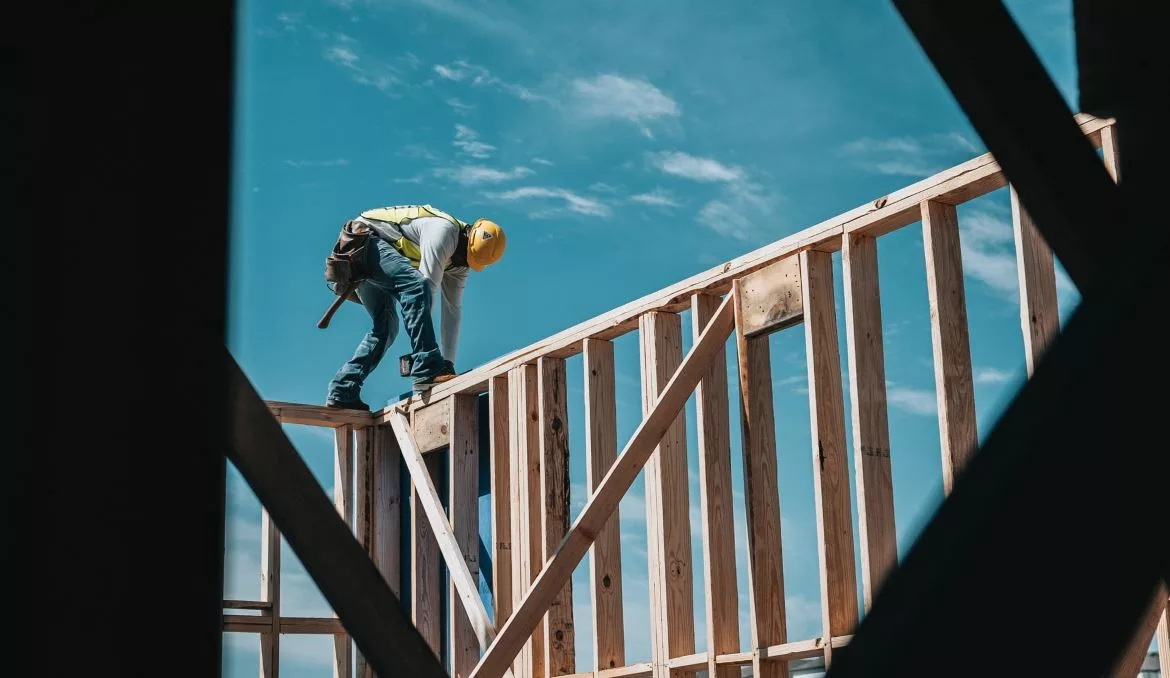
Photo by Josh Olalde on Unsplash.
A well-designed and properly insulating building envelope is essential for efficient and eco-friendly structures.
In practice, the envelope helps protect the interior of a structure, ensuring that the building owner doesn’t have to work hard to keep the structure dry and temperature-controlled. Air leaks, inappropriate insulation and insufficient insulation can all prevent the envelope from working properly.
These seven tips and best practices will help any contractor insulate the building envelope of a new structure.
1. Frame With Insulation in Mind
Advanced structure framing techniques can reduce the amount of lumber used and waste generated when building a new structure.
In addition to helping contractors cope with ongoing lumber shortages, these framing techniques can also improve building insulation by enabling contractors to replace lumber with insulation material while maintaining the building’s structural integrity.
Optimum value engineered (OVE) techniques like insulated headers, turned-stud corners and modular construction can all help contractors design insulation-optimized building frames that will ultimately make a structure more efficient and easier to insulate well.
2. Take Advantage of New Insulation Technology
Climate-friendly spray foam insulation, applied to a new structure on-site, can provide a valuable option for contractors wanting to maximize the performance of a building’s envelope.
Traditionally, the benefits of closed-cell spray foam (ccSPF) have been offset by the environmental impacts that the foam can have — the hydrofluorocarbon (HFC) blowing agents often used in ccSPF had a significant global warming potential (GWP).
New hydrofluoroolefin (HFO)-based closed-cell spray foams, however, can reduce the GWP of ccSPF by a significant margin (in some cases, up to 99.99%, according to spray foam vendor Elastochem.)
In practice, these more eco-friendly varieties of ccSPF can provide a range of insulation benefits, including reduced thermal bridging, lower risk of moisture damage and lower condensation risks.
Contractors can also take advantage of emerging green building materials that may make new structures easier to insulate or more efficient. Cool roofing, for example, is designed to reflect as much sunlight as possible, potentially helping to keep a structure in a hotter environment as cool as possible.
3. Avoid Loosly Secured Insulation
Insulation will only work effectively if installed correctly. Damage to the insulation could result in the insulation failing to insulate the building’s exterior at all. Rigid foam insulation is commonly used on the exterior of a home during construction.
To create a secure bond between the insulation board and plywood, screws are often used in addition to adhesives. It’s important not to over-tighten the screw while fastening materials. Start with a new drill bit and use low force to start to prevent stripped screws.
Other types of insulation require different tools to remain secure. For example, contractors can use batt insulation for interior walls. In most cases, a staple gun will secure batting easily. However, for hard to reach areas, you’ll want to use a hammer tacker. Tightly secured batt insulation will prevent moisture from getting through the walls. If too much mositure is in your space, the insulation could fall.
4. Don’t Forget Moisture Perfermance
Because damp insulation is much worse at blocking the flow of air than dry insulation is, moisture and condensation can quickly reduce the performance of any building insulation. The thermal value of insulation that is frequently damp can also degrade over time, meaning that it will steadily become less effective at keeping the building insulated.
Below-grade insulation is the most vulnerable to moisture, as the insulation will be frequently exposed to moisture from damp soil (particularly in areas prone to heavy rainfall).
Different insulation products absorb different amounts of moisture and at different speeds. The right choice of insulation product can help a building envelope remain effective, even when exposed to large amounts of moisture.
Moisture-resistant rigid insulation materials like XPS, for example, can be a better solution than EPS, which may be quicker to absorb moisture and lose performance due to moisture exposure.
When building a new structure in a particularly wet environment or selecting insulation for a below-grade application, choosing EPS over XPS could improve the building envelope’s long-term performance.
5. Consider the Insulation’s Compressive Resistance
Some types of insulation are more resistant to compression than others. Insulation that is deformed by compression may not perform as effectively. For example, concrete floor slabs may be installed in a way that they can compress any insulation below them.
If this insulation doesn’t have sufficient compressive resistance, it won’t be able to insulate the slabs or surrounding structural elements properly.
At the same time, incorrectly calculating the load that the slab will transfer to the insulation below may lead a contractor to overinvest in insulation with an unnecessarily high compressive resistance, which can be more expensive than less resistant types of insulation.
Both determining the load that insulation will be under and selecting insulation with the right compressive resistance will help contractors balance insulation needs against cost.
6. Use Both Interior and Exterior Air Barriers
Interior and exterior air barriers serve different purposes, and the benefits the two offer complement each other well. Interior barriers help to control the leakage of building air into the wall cavities, attics and similar spaces (or out of the structure altogether). They also protect these wall cavities and spaces from moist, indoor air.
Exterior barriers prevent outside air from getting in. They control the flow of air into the house from wall cavities and attics and ensure that moisture from outdoor air cannot infiltrate the building’s envelope.
Combining both interior and exterior air barriers will help prevent both the infiltration and exfiltration of air, improving building performance while protecting it from moisture and heat loss.
7. Test the Building’s Envelope
Blower door tests are the most common method for testing the airtightness of a building’s envelope. These tests will help you identify air leaks that can be repaired and ensure the building’s envelope is actually airtight.
In addition to testing the structure for airtightness before hand-off, it may also be a good idea to plan for regular, long-term testing of the building’s efficiency.
These tests will help the building owner determine if the insulation is still working properly. Monitoring solutions that continuously track the building’s efficiency can also help building owners keep track of potential air leaks and insulation damage.
Best Practices for Designing Building Envelope Insulation
Insulation and an air-tight building envelope will help improve building performance and guarantee efficient heating and cooling.
Best practices for building insulation will help contractors ensure that new structures are as efficient as possible. Advanced framing techniques, new insulation technology and airtightness testing can all help contractors ensure that buildings have the proper insulation.
