Why Do Architects Love Exterior Metal Panels?
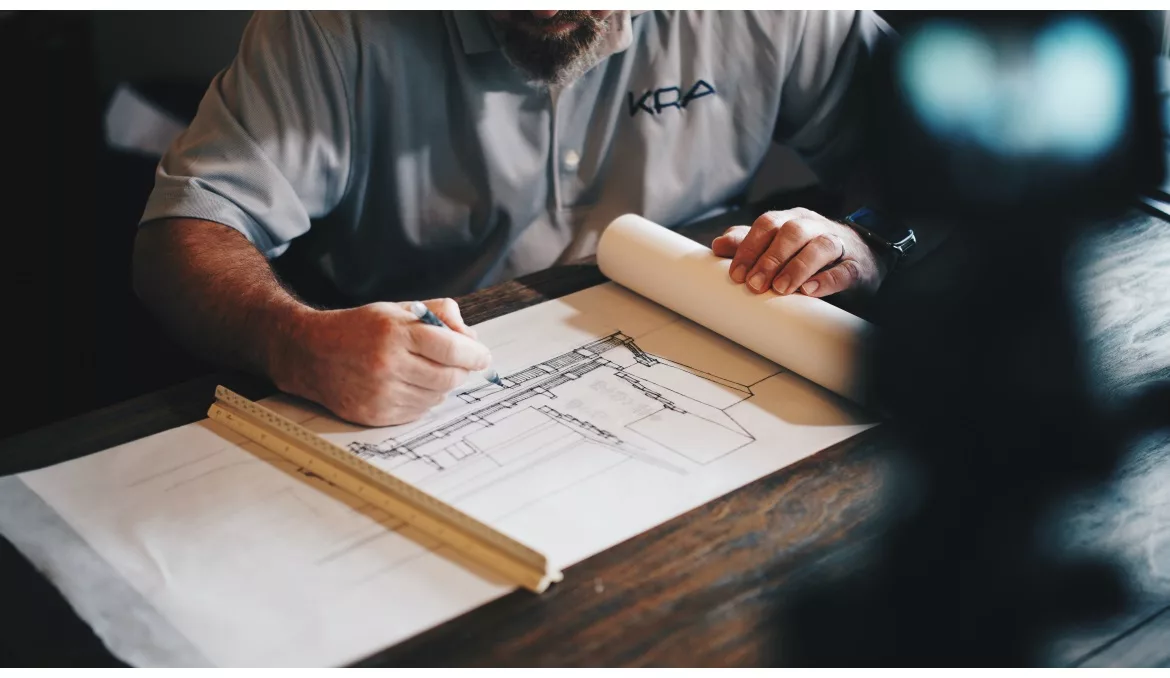
Photo courtesy of author; Unsplash.
Most people picture wood, cement, and drywall when building a home or business, but those aren’t the only materials that can find their way into a construction project. Metal panels or facades are becoming increasingly popular with new designers and architects. So why do architects love exterior metal panels?
Improved Durability
Depending on the metal, these panels can be one of the most durable building materials on the planet. This makes it the perfect choice for exterior paneling and facades. It may be heavier than vinyl, but its durability means it needs fewer repairs throughout its life.
In harsh environments or locations that experience severe weather, such as hail or hurricanes, exterior metal panels can protect the home’s facade without requiring a lot of work to keep them looking good.
Fewer Pest Problems
Wood siding looks lovely, but it can attract pests like termites, carpenter ants, and woodpeckers that can damage the home’s siding and the rest. Plastic or vinyl siding can also provide a haven for pests by giving them a warm and comfortable place to hide between the siding and the home’s exterior.
Metal siding prevents this problem, so homeowners don’t have to worry about spraying for pests to keep their homes safe.
Energy Efficiency
Unlike wood or vinyl siding, metal is highly reflective. This characteristic means the home stays cooler in the summer months because the siding will reflect much of the sun’s UV radiation instead of absorbing it.
With the industry seeing a growing push toward sustainability in new construction, this can be a great tool to make both new and existing homes more energy-efficient and sustainable. For homeowners or contractors looking to apply for a LEED certification, this extra energy efficiency can make it easier to achieve that goal.
Design Freedom
The design potential of metal is nearly limitless, especially for those working with aluminum or steel. Imagine a design, and it won’t take much to turn that design concept into a reality.
Metal paneling is ideal for both interior and exterior features, such as awnings, facades, and more. It can also replace decorative materials such as wood, plastic, and stone, which might look attractive but are often much harder to work with.
Lower Installation Costs
Installing metal paneling is often the most cost-effective option, especially when compared to heavier materials like brick, granite, or pre-cast concrete. It’s also much lighter, so its support structure doesn’t need to be as robust to complete the same design.
Unlike other building materials, like brick or concrete mentioned above, hanging metal siding doesn’t require any specialized training, which can be beneficial for the homeowner.
Lower Maintenance Costs
Unlike other exterior paneling options, metal panels don’t need a lot of maintenance once they’re in place. Wood panels require frequent inspections to ensure they’re not attracting pests. Vinyl siding panels require annual power-washing to remove any mold or algae growing on the surface.
Metal panels don’t retain moisture and are usually smooth enough to not provide purchase for mold, algae, or other similar life forms. An annual inspection is often all the homeowner needs to ensure their metal panels are standing up to the test of time.
Improving Water Resistance
Most homes use many materials that will absorb and retain water. While modern homes aren’t designed to be entirely waterproof, adding metal paneling can act as a rain screen, preventing even heavy rain from entering the building. For structures that use wood frames or lots of drywall, acting as a rain screen can help avoid severe mold or mildew damage in the future.
Improving Fire Resistance
Wildfires have been getting more dangerous every year. While there is little to no chance that adding metal siding to a structure will save it if it’s in the path of a voracious wildfire, it could help prevent it from catching fire if embers are flying.
Embers from a wildfire can travel up to five miles ahead of an active burn front. It’s not a perfect solution, but it can help prevent stray embers from igniting the home’s facade.
Creating Enjoyable Aesthetics
Metal might seem rigid and unbending, but in the hands of a skilled craftsperson or architect, it can become any number of wondrous things. The practice of biomimicry – creating structures that mimic nature – has started gaining momentum, and carefully crafted metal facades can assist in this trend.
In Paris, for example, the Institute du Monde Arabe uses metal facades on its south-facing windows that open or close depending on the ambient light conditions, much in the same way human eyes dilate.
Increasing Sustainability
There is a growing movement for more sustainability and eco-friendly practices throughout the construction industry. Most exterior panel materials are not as sustainable as they could be.
Wood is a natural material, but while architects can take steps to make them more sustainable—such as sourcing it from bamboo or other sustainable species—it isn’t recyclable. Once removed, wooden panels go to the landfill, which can create additional problems if they’ve been treated to prevent rot or insect damage.
Vinyl panels often face the same fate, ending up in landfills and breaking down into microplastics. There are ways to recycle vinyl siding, but that isn’t always possible for the given project.
Metal siding is almost 100 percent recyclable, meaning it’s easy to melt down and turn into new siding or other metal objects. That makes it more sustainable overall. It’s also possible to purchase siding that’s already made with 100% recycled aluminum or steel, which can shrink the project’s carbon footprint before the first contractors break ground.
Sharing the Love for Exterior Metal Panels
Exterior metal panels might not be the first thing that comes to mind for homeowners looking to refresh their home’s facade, but they can be a great alternative to wood or vinyl siding options. Metal panels have been a favorite for architects for many years, and most are happy to share their love for this unique design quirk.
Metal exterior panels are a product that can last for decades if properly installed and maintained. It’s no wonder why architects love these facades so much.
