Three Ideas for Bird-Safe Building Designs and Retrofittings
As important as going green for the environment is, it isn’t enough to focus on energy alone. We must not forget the impact that humans have on all aspects of nature, especially the bird species.
State and local bird-safe building legislation is being enacted all over the country. The recently passed House bill H.R. 919, or the Bird-Safe Buildings Act, seeks to keep birds safe. It mandates the requirement for all public buildings to meet the American Bird Conservancy’s bird-friendly standards. And, as yearly bird deaths due to building strikes total over a billion a year, the importance of such bird-safe buildings and legislation is clear.
Both new and existing buildings must be made safe for birds. From specialized windows and building netting, to rooftop gardens and bird-safe lighting, the answers are there.
The Importance of Bird-Safe Buildings
How many birds per year would you guess suffer a tragic and early end from colliding with a building? 100,000? Perhaps a million?
Some studies say up to 1 billion birds a year have been killed because of building crashes since 1990. As the world continues to urbanize further and expand upward, that number will likely grow. Aside from the sheer ghastliness of a billion yearly deaths, the magnitude of loss also impacts the environment.
Birds are essential pollinators, pest controllers, and seed spreaders. They are a crucial aspect of any ecosystem. And in areas that have already trampled over nature to erect buildings, the environment needs all the help it can get.
Bird-safe buildings are the best answer to this distressing problem. However, what does it take for a building to be “bird-safe”?
What Can Be Done?
Fortunately, there are guidelines to ensure bird-safe buildings. These guidelines come from various conservation groups and the U.S. Green Building Council. Through following the guidelines, bird-safe buildings earn a LEED rating by reducing the “threat-factor” of the building.
In fact, the American Bird Conservancy has stated that a bird-friendly rating can only come if it reduces collisions by at least 50%.
So, how can buildings achieve bird-friendliness? There are three major factors: windows, lights, and special features.
Address the Glass
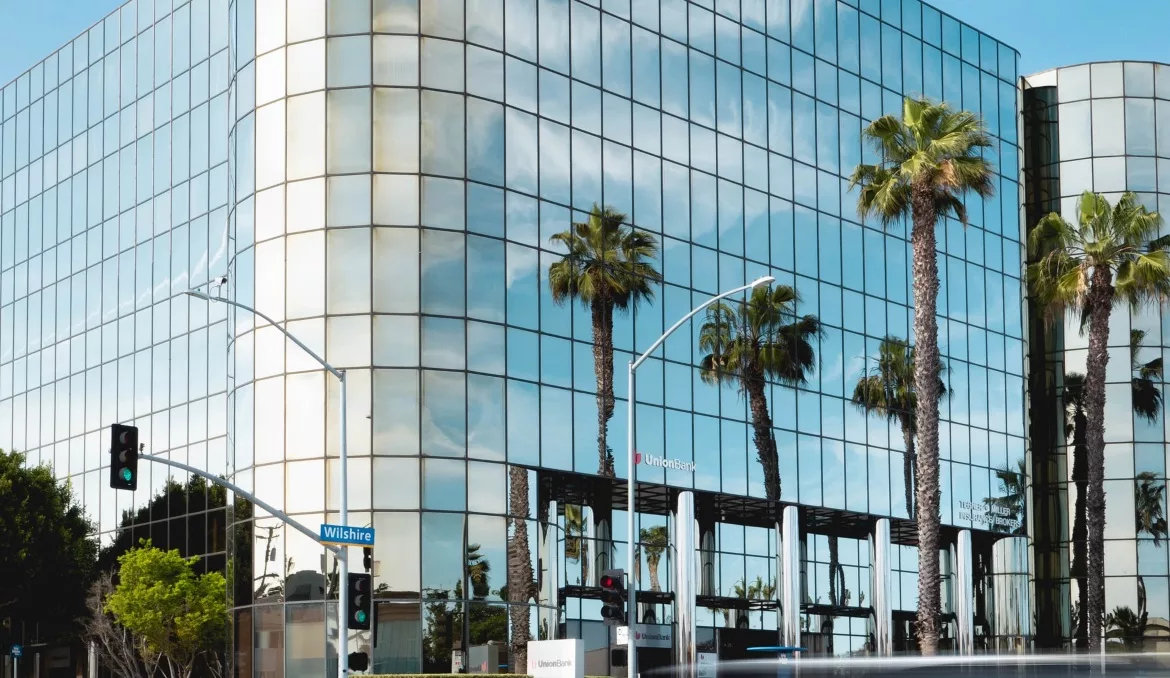
Windows are one of the major threats to birds. Glass is both transparent and reflective, depending on what is behind it. These situations can confuse birds, thus causing them to fly into a window.
Interestingly, this factor seems more impacted by window height, rather than the number of windows. Studies have shown that at least 44% of all bird-building fatalities occurred on buildings under three stories tall.
In response, window builders are now addressing these facts. Window manufacturers have designed glass with distinct patterns that birds can detect. These windows include energy-efficient coatings and layers, as well. This is only right, as protecting the environment is the goal in both applications. Alternately, fritted windows feature a pattern of ceramic dots. These dots diffuse away light, and keep birds away.
Bird-safe windows can be achieved retroactively through different means including:
Painted on designs of 2”-spaced horizontal or vertical lines (or dots)
Insect screens to eliminate reflections
Stick-on bird decals to create bird-avoiding obstructions
Compared to low-rise buildings, skyscrapers don’t see as many bird strikes. This is attributed to a smaller number of high-rise buildings than shorter ones. And, as buildings continue to use glass, they will have to adapt to bird-safe windows.
Monitor the Lights
Windows may be the biggest threat, but the lights behind and around them can also cause mayhem. Artificial light sources can disorient nocturnal migrating or hunting birds. These can disrupt flight patterns, or even attract birds toward a light source. Also, if a building is lit up against the night sky, it poses an instant threat to all birds.
Shielded light fixtures are an immediate option. These can keep the required illumination for humans and local ordinances. However, they can also be directed away from where birds will be flying. These shielded fixtures work by:
Directing light down, instead of up as light pollution.
Being fitted with an opaque shield that blocks all but the needed light.
Turning on and off based on motion sensors or timers.
Municipalities are also addressing the issue through public awareness. Lights-out campaigns get buildings to adjust their lighting for bird-friendliness. These “zero up light” missions are helping curb light pollution and save birds. These are especially impactful during migration periods.
Add Special Features to the Building
Addressing windows and lights will go a long way toward making a building bird-safe, but there is still more that can be done. For example, green roofs create bird-friendly habitats on top of buildings. Through natural plants and greenery, they can keep birds away from the dangerous sides of buildings.
Rooftop garden areas are best used in conjunction with bird-safe glass and light fixtures, especially since you’ll be attracting birds to the building.
Shutters and netting are other simple solutions to deter birds without a massive expense. Shutters help to break up the reflection of windows. Netting and screens do so as well, but they can also:
Reduce reflections and light refraction from the glass.
Cushion any impacts that do occur.
Stop birds from reaching the window in the first place (with netting placed away from the facade).
These options are relatively inexpensive, and they can be retrofitted onto many existing problematic buildings, including houses.
Start small with shielded lights and patterned glass. High-rise buildings can do the same, using fritted or etched glass to reduce the danger to birds.
We owe it to nature to save the birds. Responsible, green construction can’t end with just reduced emissions and energy savings. Buildings must continue to adapt to become protectors of the environment. Without it, birds, bees, trees, and rivers will disappear beneath the reach of industry.