Lean Construction Can Contribute to Sustainable Design
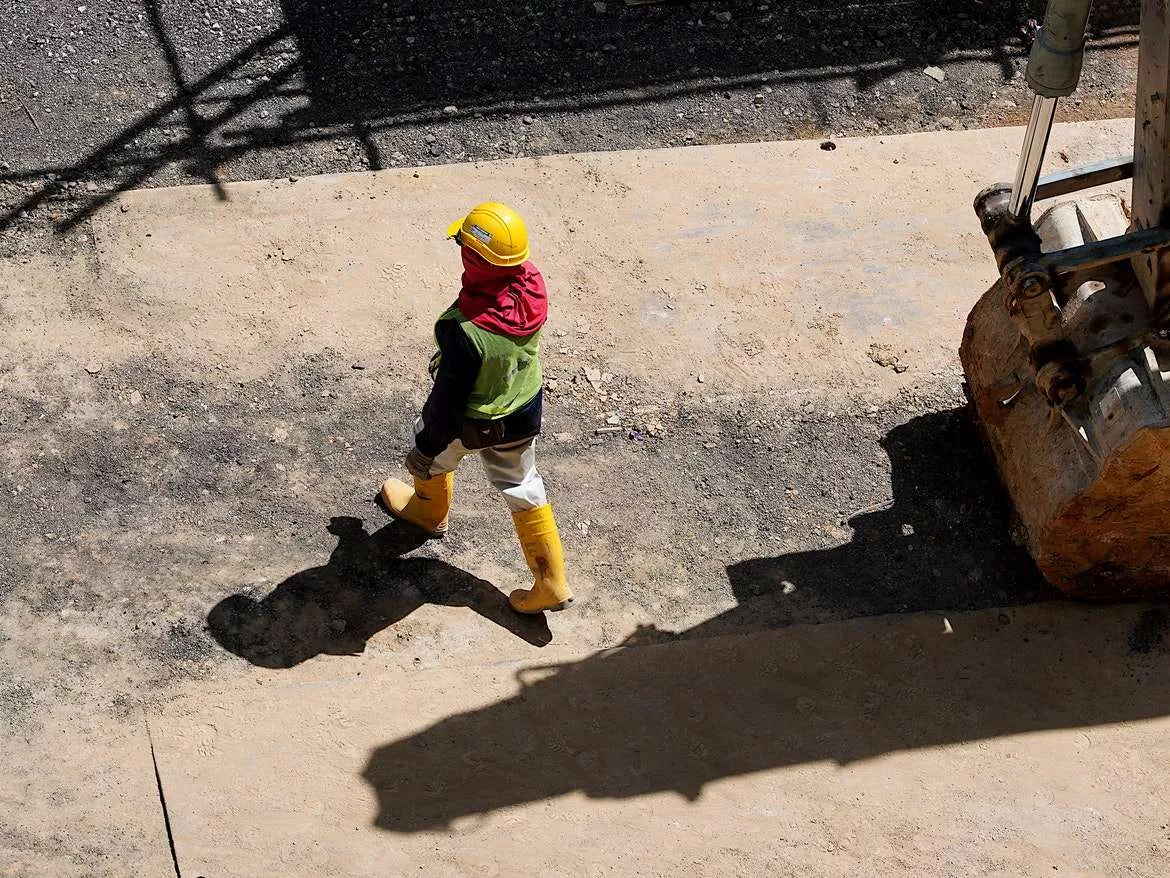
The eco-conscious movement recently swept through the nation, influencing various industries. Construction companies are adopting low-emission, energy-efficient practices, increasing their sustainability. Green alterations support new consumer markets and government standards.
President Biden has recently established his hopes for the Build Back Better plan, which in part involves working towards a carbon-neutral nation through infrastructure and technology investments. Builders can significantly reduce their emissions contribution by engaging in lean construction, which adopts an efficient, lean mindset toward much-needed construction and design projects.
Ecological Issues in Conventional Construction
Conventional construction practices generate more debris pollution than the municipal solid waste industry. In the United States, companies release nearly 600 million tons of pollution annually. The fragments may contain toxic elements, contaminating Earth’s surface and degrading local air quality.
Additional air degradation derives from transportation emissions in the construction industry. Transportation generates 29 percent of all greenhouse gas emissions in the U.S. Builders haul materials to and from a site at various times throughout a project.
Society’s reliance on rare, outsourced materials additionally increases travel-driven air pollution. Fossil fuels power the majority of transportation in the construction industry. During combustion, the energy source invades the atmosphere and generates the enhanced greenhouse effect.
Inevitably, inefficient practices throughout design and building phases contribute to pollution. Construction techniques vary between projects, depending on the design of the structure. The reliance on human power and altered procedures generates structural flaws.
Finally, there’s the matter of construction and demolition waste. Over time, the waste generated through damage and disposal causes pollution and consumes landfill space. Fortunately, construction companies can decrease ecological harm and increase sustainability by adopting lean construction methods.
Consistency in Construction Workflow
A significant feature of lean construction is consistency. The process improves the predictability of a project’s timeline. Managers work with all involved parties, from manufacturers to electricians, creating a strict and efficient timeline.
The reliability of materials and workers significantly reduces waste over time. When all parties work together, they limit buffer time and increase construction accuracy. Developing open communication enhances productivity on and off the site.
Employing open communication decreases labor turnover rates and improves time management. Lean construction workers efficiently provide, receive, and confirm messages, decreasing error and increasing success. With less material damage, construction companies may significantly reduce their waste generation and improve their sustainability.
Lean construction uses “pull planning,” which creates the most efficient project schedule. All parties gather during the planning stage, working backward from the project’s goal. Each worker contributes to the project schedule, helping others meet their task milestones.
Project members stay on task when using pull planning. Optimizing construction time limits the number of resources and emissions generated by all parties. Having fewer emissions increases the sustainability of the building design.
Improving Machinery Efficiency
Construction equipment additionally impacts the eco-friendliness of a project. Sourcing reliable machinery can improve the efficiency and accuracy of a building project. Outside of resource minimalism, lean construction also improves the cost efficiency of building processes.
Firms can improve the sustainability of a project—and reduce overall repair costs for their own bottom line—by minding the care and efficiency of their machinery usage. This includes scheduling all inspections, cleanings, oil changes, and other maintenance throughout the construction phase. Increasing the reliability of equipment decreases the amount of time allocated to fixing damage and seeing to general maintenance.
A failed or damaged piece of equipment can cost a lot to repair, and waste hours of work in the meantime. Construction companies can enhance their cost efficiency by utilizing adequately maintained machines—preparation is a core principle of lean construction.
Consider Material Recyclability
The demand for sustainable buildings and the cost-competitiveness of lean construction leads builders to use recycled and recyclable materials. When companies use recyclable supplies, they may recollect them during renovations or demolition and reuse them in other projects. Repurposing materials is more cost-effective than outsourcing new products.
Environmental engineers and scientists additionally generated construction materials out of recycled products, reducing surface pollution. Some lean builders use cellulose insulation, increasing their sustainability. The material derives from recycled newspapers treated with borate as a fire, pest, and mold protectant.
Other builders use repurposed wood and bamboo in construction. Collecting and reusing hardwood is less expensive than purchasing new materials. It also reduces natural resource exploitation because many builders outsource rare wood from depleted regions.
The Green Principles of Lean Construction
Climate change and environmental degradation are problems that call for national and international efforts. Redeveloping America’s and the world’s infrastructure sustainably using clean energy and low-impact construction will ultimately help us pivot from environmentally impactful practices and secure a brighter future for all.