Consult an Expert When Selecting Waterproofing Systems
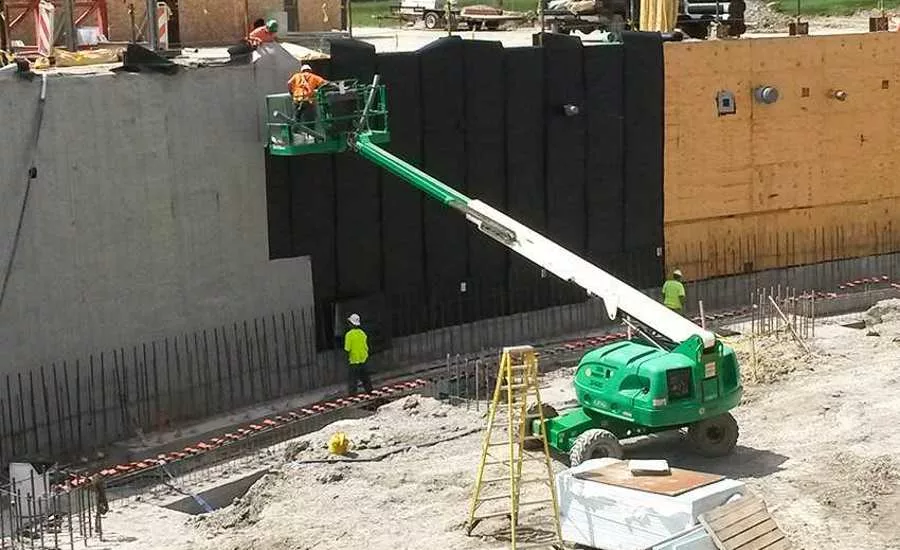
Severe weather can cause extensive damage to a structure's roof, foundation, interior and more if not properly waterproofed.
Waterproofing plays an extremely important role in protecting every aspect of a structure's construction. Knowing which waterproofing coverage to specify for a particular structure is more than just a science; it is an art form. Consulting with an experienced specialty contractor for the best waterproofing options available will ensure a quality job that will extend the life of any structure.
Water is moved through a structure via any number of forces including: hydrostatic pressure, capillary action, wind/air currents, surface tension and natural gravity. If there is any breach in a structure's envelope, water is sure to find its way in.
"Waterproofing has come a long way since 1915 when cutting edge technology Ironite was first introduced. Painted onto the inside of basement walls, Ironite became a popular option because it could be applied quickly and it was less expensive than traditional waterproofing methods at the time," said Carter Pogue, Western Specialty Contractors, Sales/Project Manager.
As the decades progressed, so did improvements in the materials and techniques used to completely waterproof a building from the roof to its below-grade exterior and interior walls and everything in between.
Above-Grade Walls
The exterior walls of a building can be a significant source of unwanted water leakage. It's easy to forget how many openings are required in commercial building walls - from plumbing and irrigation connections to lighting, HVAC system elements, exhaust vents, air intakes, joints around windows and doors, and fire alarms, to name a few.
There are also unplanned holes caused by aging brick joints that need re-pointing, vanishing sealants, damage from acid rain and settling cracks. All wall penetrations provide easy access for water, bugs, field mice, birds or other unwanted pests to enter the building and cause damage.
A structure's first line of defense against the elements is above-grade waterproofing, which includes the use of caulks and sealants to seal the perimeters of windows and other openings. The amount of sealant needed on a new or existing structure depends on exposure and expansion/contraction problems that may be identified. Some types of sealants include:
- Elastomeric breathable wall coating systems
- Protective/decorative surface coatings
- Clear water repellents
Concrete, Terrace Areas and Decks
In the winter, freeze and thaw cycles can cause big problems with concrete structures. When water infiltrates concrete, it can freeze, causing the water to occupy nine percent more volume than in its liquid state. This expansion causes distress on the concrete, which can lead to fractures that will continue to grow exponentially as saturation of the material increases.
A wide range of restoration, repair and reinforcing services are offered by certified, specialty contractors who can repair cracks, spalls, rust spots, deterioration, pot-holes and heaves in concrete and masonry. More often than not, concrete repairs are made before they become a more serious or costly issue, but there are measures that you can take to actually prevent future damage. Applying hot applied or below grade waterproofing to your buried structures, a urethane waterproof traffic coating to your parking decks and protective acrylic coatings to your pedestrian areas and exterior facades will extend the life of the repair, protect adjacent areas that are currently in good condition and significantly improve the aesthetics of the area treated.
Applied over concrete, wood or steel, a variety of deck coatings are available to prevent leaks from penetrating to areas below and can maintain the surface's color and keep it looking like new for years. Recent technology has provided materials for these special coatings that are ideal for suspended slabs, recreational roof decks, garages, patios, balconies, sun decks, areas around pools and other areas that require a durable surface.
Roofs
A commitment to good roof maintenance practices can prevent overflowing gutters, clogged downspouts and excessive ponding water which can lead to costly roof, facade and foundation damage.
Decaying leaves, pine needles and dirt run-off can all contribute to ponding water and clogged gutters and downspouts, which is why it is essential that all roof drains remain clear of obstructions. In addition to the risk of water pouring into the tenant spaces should a breach in the roof occur, the freezing and thawing of ponding water during the fall and winter months can cause extensive roof damage.
Applying waterproofing to a structure's roof is important and requires a professional's expertise to determine which option will work the best. Some available roofing systems include:
- Synthetic rubber materials
- Hot rubberized asphalt
- Insulated roofing membrane systems
Below-Grade Systems
A number of excellent below-grade exterior foundation waterproofing systems have become available within the last 20 years for preventing water penetration through basement walls, concrete lids, pits and other below-ground areas. These waterproofing materials may be applied on the inside or outside of the wall or foundation.
- Fluid-applied elastomeric membranes, mastics and coatings that form a tough, seamless membrane to withstand abuse and high levels of hydrostatic pressure.
- Hot-applied rubberized asphalt for horizontal waterproofing in split-slab construction and insulated roof membrane assembly roofs.
- Single-ply sheet systems such as rubberized asphalt sheets, EPDM synthetic rubber, PVC, CPE, CSPE, Butyl rubber and Neoprene.
- Bentonite clay panel and sheet systems that swell when they become saturated to block moisture from entering a building.
Interior Systems
Metallic, capillary/crystalline and cementitious materials are currently available for waterproofing a structure's interior. These materials may be applied by brush, trowel, spray or dry-shake methods to concrete or masonry substrates opposite the source of moisture. For foundations, these materials are applied to the interior of the structure. For tanks, reservoirs and other structures that hold water, these materials are applied to the exterior.