Building Enclosure logo
search
cart
facebook twitter linkedin youtube instagram Spotify Podcasts Apple Podcasts Spotify Podcasts Apple Podcasts
  • Sign In
  • Create Account
  • Sign Out
  • My Account
Building Enclosure logo
  • NEWS
    • Breaking News
  • SECTIONS
    • Columns
    • Project Profiles
    • Trade Shows
    • Sponsor Insights
  • SYSTEM DESIGNS
    • Low-Slope Roofs
    • Pitched Roofs
    • Metal Roofing Materials
    • Waterproofing
    • Sustainability
    • Insulation
    • Exterior Claddings
    • Wall Systems
    • Building Envelope
  • BLOG
    • The BE Blog
  • MEDIA
    • Podcasts
    • Webinars
    • Quiz
    • Videos
    • Polls
    • Interactive Spotlights
    • Newsletter
    • Photo Galleries
  • DIRECTORIES
    • Directory: Blue Book
    • Directory: Roofing Resource
  • PRODUCTS
  • TECHNICAL
    • Codes
      • Waterproofing
      • Roofing
    • Details
      • Waterproofing
      • Roofing
  • CONTINUING ED
  • ABOUT
    • Advertise
      • Editorial Calendar
    • Contact
    • eMag Archive Issues
  • SIGN UP!

Recognizing The Importance Of Adaptive Reuse

By Ashley Halsey
The Refinery Hotel
The Refinery Hotel. Image courtesy of https://www.refineryhotelnewyork.com/galleries/hotel/.
NPR
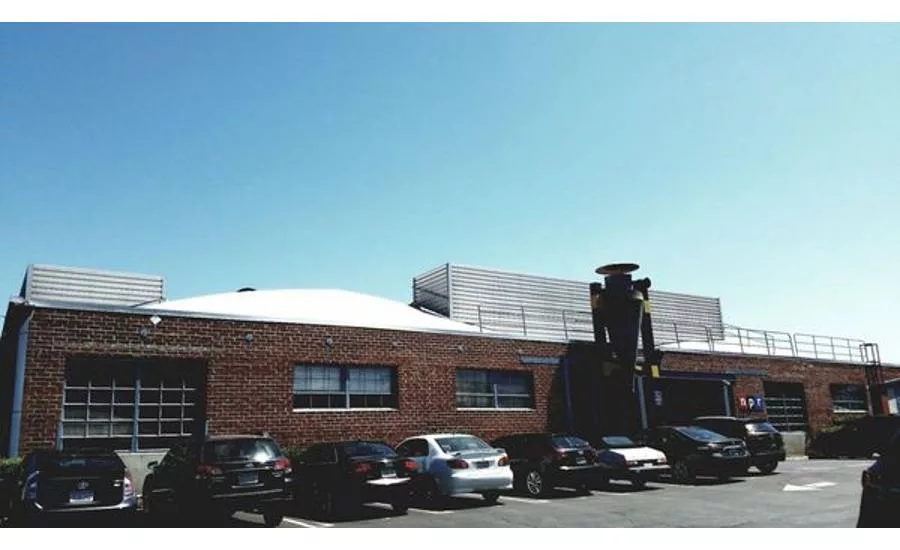
National Public Radio and Television. Photo courtesy of www.mapquest.com/us/california/national-public-radio-west-10862029.
NPR
National Public Radio and Television. Photo courtesy of www.mapquest.com/us/california/national-public-radio-west-10862029.
The Refinery Hotel
NPR
NPR
August 5, 2019

Aging buildings, unless for show, waste land and resources. If we let things simply age, they become a shadow of our culture rather than a story-telling part of it. Adaptive reuse is about using them to inspire our future, rather than simply becoming a part of the past.


Why adaptive reuse matters

The process of a historical site becoming a functional one opens the opportunity for new uses and benefits. This allows for innovation when considering making old buildings more efficient and sustainable.

“Preserving the culture and dignity of structures passed down to us from other generations, whilst also striving to increase use and environmental adaptability, is one of the greatest missions of being alive in the present day,” says Steven Butler, journalist from Last minute writing and Writinity.

Through adaptive reuse, new job opportunities are opened to the surrounding community, allowing economic growth. More human resources are needed and less building materials, meaning lower investment costs and more room to focus on restoration and revitalization. Adaptive reuse is one of the most maximized uses of recycling. Through it, the value of the triad (reuse, recycle, repurpose) comes right to the surface. The global community observes this, and so adaptive reuse is one of the stepping stones that are shaping people’s minds and paving our path in improving our relationship with the environment.


Leveraging historic tax credits

Federal historic tax credits often count for a highly useful finance opportunity for funding adaptive reuse projects. This can apply to famous historical structures as well as regular storage houses from the past. It’s been noted that up to 90 percent of people investing in adaptive reuse are not aware of how federal historic tax credits may benefit them. If a building is registered on the National Register of Historic Places, up to 20 percent of its rehabilitation expenses can be accounted for. This extends to buildings older than 50 years old.


Adaptive reuse basics

A more comprehensive wording of adaptive reuse, is adaptive re-use architecture. It applies to buildings that are no longer used, or perhaps are no longer suitable for their original roles. They are assessed and repurposed for other things, while maintaining the level of culture of their time of origin. Another nice way to see it is “historic redevelopment.”

“Adaptive re-use architecture takes important, structural pieces of the past and makes it relevant to both the present and thus, the future. By utilizing this to the maximum, we save our history from demolition and our future generations from having to start over with everything,” says Avery Zamora, business writer from Draft beyond and Research papers UK.

The movement towards preservation is surprisingly new. Legally protecting historic buildings became more common and normalized in North America only in the 1960s, and even then, it was a slowly growing trend to spread across the states. However, as people began to understand the rationale behind reusing old buildings, it grew faster. Adaptive reuse meant saved materials and culture, and increased sustainability, which has become more politically important over the past few decades.


What to consider when designing for adaptive reuse

The most important points of consideration begin with the basics: safety, accessibility, compatibility. These three pillars will be relevant despite what’s being considered, from energy to building materials to assessing current building code requirements. The condition of the building must be looked at when planning structural changes and selective demotion.


Examples of adaptive reuse (before and afters)

  • 135’000 square foot industrial building; boutique hotel
  • Former restaurant and food handling station; base for National Public Radio and Television
  • Historic 2’800 seat movie palace and Broadway roundhouse; upcycled with a new 500 seat theatre
  • Former 500’000 U.S. postal facility; corporate headquarters

These examples collectively showcase the wide-ranging possibility and innovative power of adaptive reuse. Historical structures have the ability through creative minds, to adapt and evolve with the ways in which surrounding communities and society on a larger scale, adapt and change also.

Adaptive reuse is not simply a sentimental drive to rescue buildings. It is a valuable method to conserve materials on both a community and global level. It challenges the societal culture of fast consumerism, teaching people how to truly appreciate what is here now.

KEYWORDS: adaptive reuse renovation restoration

Share This Story

Ashley Halsey writes professionally at Lucky Assignments and Gum Essays, and has been involved in countless projects throughout the company, with a very motivated and work-driven attitude.

Recent Comments

These are actually very helpful tips. It is...

This is the most beneficial blog for all...

This blog is a great resource for anyone...

Thank you for sharing this important information. I...

This is a very interesting subject of the...

Manage My Account
  • Sign up for the Newsletter
  • Online Registration
  • Manage My Preferences
  • Registration Customer Service

More Videos

Sponsored Content

Sponsored Content is a special paid section where industry companies provide high quality, objective, non-commercial content around topics of interest to the Building Enclosure audience. All Sponsored Content is supplied by the advertising company and any opinions expressed in this article are those of the author and not necessarily reflect the views of Building Enclosure or its parent company, BNP Media. Interested in participating in our Sponsored Content section? Contact your local rep!

close
  • 2 construction workers and a DEXcell panel
    Sponsored byDEXcell Roof Boards

    Designing Low-Slope Roofs for Resilience

  • Bell Bank headquarters in Fargo, North Dakota
    Sponsored bySto Corp.

    Drained and Back-Ventilated Rainscreens vs Pressurized-Equalized Rainscreens

  • A construction worker using DEXcell roof boards
    Sponsored byDEXcell Roof Boards

    The Hidden Strength of Low-Slope Roof Systems: Why Roof Cover Boards Matter

Popular Stories

construction industry workers in hard hats stand around a city scape

Construction Industry Revolts Over New CSI Licensing Plan

a man wearing a mask installs insulation into a wall system

Quiet Rooms and Healthier Air: A Second Look at What Goes Inside the Wall Cavity

Canalino Elementary School and Canalino Family School exterior

Daylighting Design to Support Rapidly Growing Trend in Modular Building Construction

Building Enclosure Newsletter

BE Poll

Events

June 17, 2025

Addressing Condensation in Low-Slope Roof Assemblies

Credits: 1 AIA LU/HSW; 0.1 ICC CEU; 1 IIBEC CEH; 0.1 IACET CEU

On Demand In modern roofing systems, vapor retarders and air barriers do more than just minimize air leakage—they’re essential to maximizing performance and longevity. This engaging course dives into the next generation of moisture control: permeable vapor retarders and air barriers. Discover how these cutting-edge technologies are transforming low-slope roofing assemblies by improving energy efficiency, managing moisture, and boosting wind uplift resistance.

April 9, 2026

Strategies for High-Performance Below-Grade Waterproofing

Credits: 1 AIA LU/HSW ; 1 IIBEC CEH; 0.1 IACET CEU

On-Demand Designing a high-performance building enclosure requires more than just surface-level protection; it demands a rigorous, performance-based mastery of below-grade water and gas mitigation. This discussion will provide an expert-level analysis of below-grade waterproofing within the comprehensive framework of the high-performance building enclosure.

View All Submit An Event

Products

Plaster and Drywall Assemblies Manual

Plaster and Drywall Assemblies Manual

This is a comprehensive manual that goes beyond codes and standards, providing expert guidance in design, detailing, material selection and troubleshooting for plaster and drywall.

See More Products
×

Enhance your expertise with unparalleled insights.

Join thousands of building professionals today. Shouldn’t you know what they know?

SUBSCRIBE TODAY!
  • RESOURCES
    • Advertise
    • Contact Us
    • Store
    • Want More
  • SIGN UP TODAY
    • Create Account
    • Newsletter
    • Customer Service
    • Manage Preferences
  • SERVICES
    • Marketing Services
    • Reprints
    • Market Research
    • List Rental
    • Survey/Respondent Access
  • STAY CONNECTED
    • LinkedIn
    • Facebook
    • Instagram
    • YouTube
    • X
  • PRIVACY
    • PRIVACY POLICY
    • TERMS & CONDITIONS
    • DO NOT SELL MY PERSONAL INFORMATION
    • PRIVACY REQUEST
    • ACCESSIBILITY

Copyright ©2026. All Rights Reserved BNP Media, Inc. and BNP Media II, LLC.

Design, CMS, Hosting & Web Development :: ePublishing