Better Building Standards Are Needed
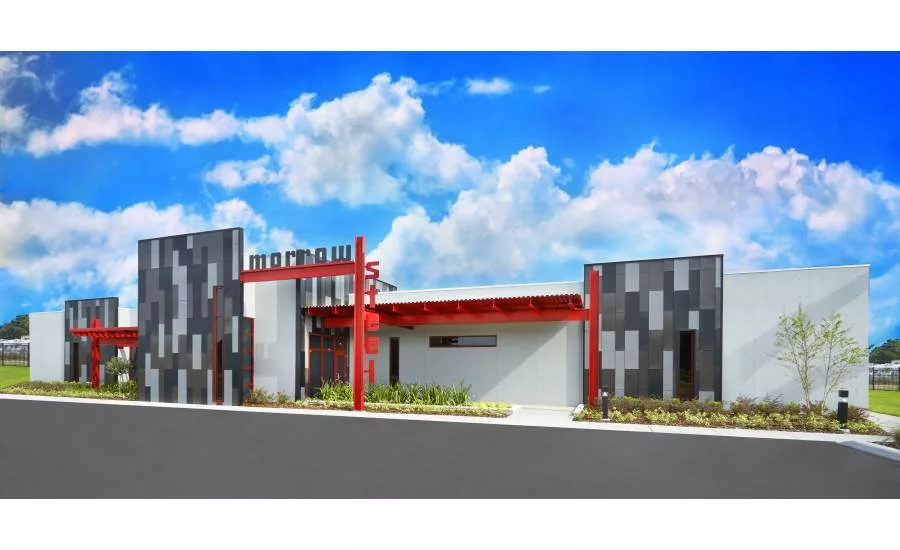
In Florida, Irma proved that hurricanes are no longer just a coastal threat. With virtually the entire state affected, there is a strong argument that Florida’s stringent coastal building code for impact should be implemented much further inland, if not for the entire state. Between hurricane preparations and the aftermath of Irma, business interruption for Floridians was about two weeks.
As a result, business and building owners need to start thinking more about the loss of income from these events besides needing to protect their structures and occupants. How many more hurricanes will it take before businesses, building owners, coastal residents and government entities can no longer afford the repairs? Will existing buildings without this protection retain any real estate value?
People who want to construct inland, and not just in Florida, should be having this dialog regarding what more they can do to increase the survivability and safety of their buildings from wind borne events. With better product information, improved testing, and new technology, building owners can readily upgrade their projects with little increase in construction costs. These costs are often offset with reduced insurance premiums, less business interruption, and potentially less costs in repair after a storm. All of this can result in an increase in real estate value.
After Hurricane Irma, I received correspondence from many clients; none of them were in flooded areas, but several had the eye of the hurricane pass directly over them with estimated wind speeds of 75 to 115 miles per hour. Not one reported any wind damage to their structures. So, what did we do to prevent wind damage? We took the minimum requirements from the Florida Building Code and along with our practical experience, increased certain criteria to strengthen the structure and building envelopes. This is a responsible and sensible step that everyone should consider.
Building owners are being asked to take more of the financial responsibility for structural damage to their buildings. We are all seeing more news reports of insurance companies and our Federal Government procrastinating and denying claims. With weather events becoming stronger, more frequent, and geographically leaving everyone more vulnerable, building owners are going to be forced into making decisions to better protect their buildings, reduce damage and minimize repair costs. The goal is to keep all exterior components intact and on a building during a hurricane, and for the structure to remain rigid to wind and flood.
The most important consideration in a high wind and rain event is to keep the roof on and the building dry. We structurally enhance the corners, eaves, and edges of roofs. Often, our details include thicker, more impact resistant roofing substrate, closer spacing of structural materials, added fasteners to edge flashing, deeper parapet caps, and most importantly, minimizing as many roof penetrations as possible.
Another significant consideration is to make is to make the building more structurally rigid. This is often accomplished with enhanced structure such as, more poured concrete or rebar and steel throughout the building.
Lastly, it is very important to not allow any wind or rain inside the building’s doors, walls, or windows. This potential problem is solved with protective openings everywhere on the building envelope. Using insulated impact resistant windows is the most common way to protect building openings for new construction.
Retro-fitting an existing building by replacing old windows with new impact windows is the preferred choice over any other type of protection, such as shutters or plywood. The latter options must be manually installed as well as removed post storm, which takes time. Building owners then, also, need to allocate storage space for these items for when not in use. This can often be an inconvenience.
Klar and Klar Architects, Inc. provides a building code overview to clients on the proven testing of products for the High Velocity Hurricane Zone (HVHZ), which is mandatory for the Miami-Dade area. All exterior building components must be tested and pass for both the wind pressures and impact. If the components pass, they are given a “Notice of Acceptance” or NOA. This then becomes an exact prescription on how to install a product to meet the requirements. It has been our experience that these tested products have a great track record in staying intact during high winds, resisting high wind and water infiltration, and generally making a structure safer.
Also, recommending and detailing into our construction documents: additional sealants, fasteners, backup waterproofing, roof flashing extensions, are just a few upgrades that our experience has shown works. These products work very well in other parts of the state where the building code allows for a lesser standard. With increased building safety, we have convinced several of our clients to offer their commercial structure as an added benefit to their employees for a “safe haven” if they were to be evacuated upon the threat of a major hurricane. Imagine if more commercial businesses offered safer structures for those in need.
It is not difficult to increase the stability, strength and wind resistance of a structure, and it can be done at minimal costs. When our clients can return to work or home after a hurricane, open their doors to no damage, and are able to start “working” and “living” again, it is proof that the knowledge and technology currently exists to improve building survivability. As a society, we will all bear the financial burden one day if we do not take protecting our structures more seriously.